Electrification in Benin: 145,000 Households Connected, a Local Economy Transformed
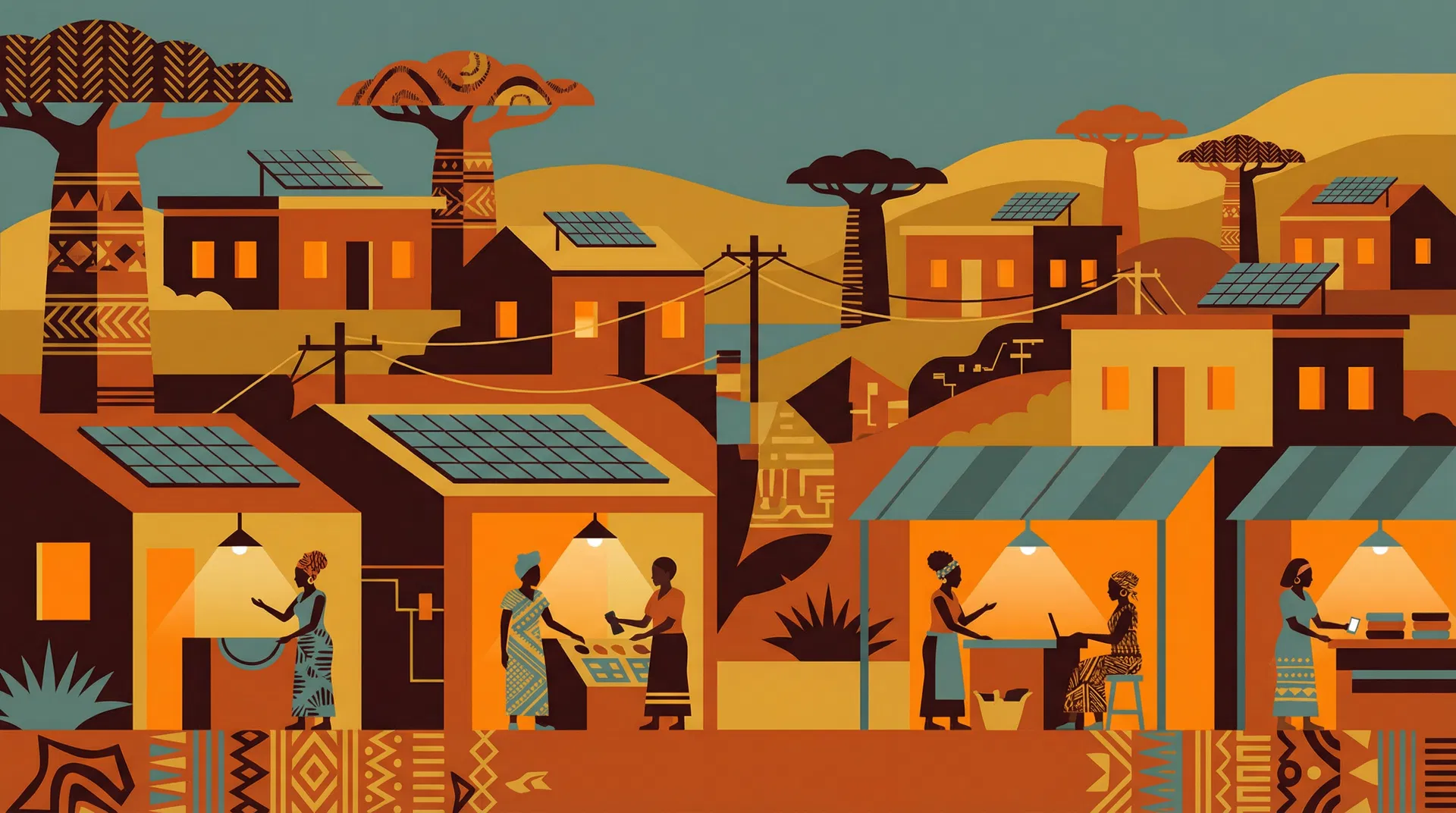
Access to electricity in Benin, extended to 145,000 households since 2016 thanks to the World Bank's BEAS project, goes beyond simple infrastructure to become an engine of economic development. This initiative is concretely transforming lives by stimulating job creation, strengthening public safety, and promoting the empowerment of women entrepreneurs, illustrating the profound impact of a targeted electrification strategy on the local social and economic fabric.
145,000 Households Connected Since 2016: Transformative Access and Its Multiple Facets
Since 2016, Benin has connected nearly 145,000 households to electricity, a major advancement made possible by the World Bank's BEAS (Benin Electricity Access Scale-up) project 1. This project, approved in 2021 with a $183 million credit from the International Development Association (IDA), aims to extend access to the electrical grid across the entire territory 1. The objective is to achieve total electrical coverage by 2030, thus profoundly transforming rural and urban communities 1.
The impact of this electrification goes beyond the simple provision of energy. For thousands of families, access to electricity means a direct improvement in quality of life, enabling the use of essential household appliances and lighting after sunset 1. This transformation translates into a significant increase in hours of economic activity within households, promoting children's studies and the development of small income-generating activities 1. Moreover, the presence of lighting contributes to better security within homes and neighborhoods, reducing the risks of domestic incidents and acts of delinquency 1. Connection to the electrical grid also enables easier access to information and communication via television and mobile phone charging, thus breaking the isolation of many communities 1. The electrification of rural areas, in particular, reduces dependence on traditional energy sources like firewood, which has a positive impact on household respiratory health and on deforestation 1. Improved access to modern energy is a key factor for achieving several United Nations Sustainable Development Goals (SDGs), notably SDG 7 (affordable and clean energy) and SDG 3 (good health and well-being) 1.
2,789 Small Businesses and 451 Public Institutions Electrified: Increased Economic and Social Dynamism
The BEAS project has also enabled the connection of 2,789 small businesses and 451 public institutions, thus contributing to revitalizing the local economy and improving public services 1. Electrification offers small and medium enterprises the possibility of extending their opening hours, particularly for neighborhood shops, and using modern equipment, increasing their productivity and competitiveness 1. For example, Juliet Sokou, a food entrepreneur in Sahouekomey, can now preserve her fresh ingredients thanks to a refrigerator and work well after sunset, which was impossible before, thus increasing her income and production capacity 1. This ability to operate longer and more efficiently allows businesses to respond to increased demand and create new jobs, thus stimulating local economic growth 1.
Public institutions, such as schools and health centers, also benefit from this access to electricity. In schools, lighting enables evening classes and the use of digital educational tools, improving learning conditions and access to education for a greater number of students 1. In health centers, electrical power for medical equipment, preservation of vaccines and heat-sensitive medicines, as well as lighting for operating and delivery rooms, considerably improve the quality and safety of care offered to the population, particularly in remote areas where access to health services is often limited 1. This electrical infrastructure is an essential prerequisite for the development of public services and the improvement of collective well-being, creating an environment conducive to innovation and growth in vital sectors 1. The electrification of administrative buildings and public services also strengthens the state's capacity to provide efficient and modern services to its citizens 1.
150,000 Meters and 20,000 Street Lamps Installed: Security, Visibility, and Optimized Management
As part of the BEAS project, 150,000 meters have been installed and 20,000 street lamps have been put in place across the country 1. The installation of street lamps has a direct and measurable impact on public safety, as evidenced by the municipality of Zogbodomey, where residents now feel safer after nightfall 1. Daniel Houesse, first deputy mayor of Zogbodomey, emphasizes that fear of burglars has decreased significantly, allowing residents to go about their business more serenely and enjoy public spaces in the evening 1. This improvement in security contributes to strengthening the sense of community and promoting social interactions after sunset 1.
These infrastructures contribute to redrawing the geography of fear, allowing workers to no longer rush home before dark and neighbors to gather in the evening, thus strengthening the social fabric and community life 1. Public lighting also promotes better visibility on roads and in public spaces, reducing risks of traffic accidents and crime, which is an essential factor for urban and rural development 1. The presence of street lamps deters illegal activities and creates a safer environment for all 1. The installation of 150,000 meters also enables more efficient and transparent management of electricity consumption, encouraging responsible energy use and facilitating billing for the Benin Electricity Company (SBEE) 1. These smart meters contribute to reducing technical and commercial losses, thus optimizing the performance of the electrical grid and ensuring its long-term viability 1.
Mission 300: 39 Million Africans Already Connected, Target 300 Million by 2030, a Continental Movement and Its Challenges
Benin's success is part of the broader framework of Mission 300, an ambitious partnership between the World Bank Group and the African Development Bank 1. This initiative aims to connect 300 million Africans to electricity by 2030, recognizing electrification as a fundamental pillar of sustainable development on the continent 1. Since its launch, nearly 39 million people in sub-Saharan Africa have already been connected, and more than 100 million are in the process of being connected, demonstrating steady progress and strong commitment from stakeholders 1. This collective effort is crucial because access to energy is a prerequisite for economic and social development, poverty reduction, and improvement of health and education 1.
Benin has indeed approved a National Energy Pact in September 2025, committing to implement the necessary reforms to accelerate connections and maintain the pace of progress 1. This continental dynamic shows that electrification is a major priority for Africa's development, with clear objectives and concerted efforts to achieve them, including massive investments in infrastructure and strengthening of local capacities 1. However, challenges remain, notably infrastructure financing, network maintenance, fighting fraud, and guaranteeing electricity affordability for the most vulnerable populations 1. The diversification of energy sources, particularly renewable energies, is also a major challenge to ensure sustainable and resilient electrification in the face of climate change 1. Mission 300 represents a shared vision for a future where access to energy is universal, stimulating economic growth and improving living conditions across Africa 1.
A Solar Bag Factory Creates 300 Jobs in Ahouamey: Electricity as an Industrial and Social Catalyst
The arrival of electricity directly led to the opening of a solar school bag factory in Ahouamey, just a few months after the first power plant came into service 1. This factory now employs 300 workers, including 70 permanently, and produces 500,000 solar school bags per year 1. Before the arrival of the electrical grid, this factory did not exist, demonstrating the crucial role of electricity as a catalyst for industrialization and the creation of sustainable jobs 1. This example illustrates the capacity of electrification to transform local economies in depth, creating new business opportunities and attracting investments 1.
This concrete example illustrates how access to energy can unlock significant economic opportunities, transforming rural areas into hubs of economic activity 1. Electricity does not merely provide light; it creates the prerequisites for creating skilled jobs and developing high-value-added industrial activities 1. The World Bank Group seeks to replicate this type of success on a large scale, recognizing the transformative potential of energy to stimulate inclusive economic growth and reduce poverty 1. The solar bag factory is eloquent testimony to how electrification can generate a virtuous circle of development, offering employment opportunities and improving future prospects for local communities 1. The production of solar bags, in particular, responds to an educational and energy need, offering an innovative solution for students who do not have access to electricity at home 1.
The Impact on Women Entrepreneurs: Empowerment, Equality, and Shared Prosperity
Electrification has a particularly notable impact on women entrepreneurs in Benin, acting as a powerful lever for empowerment 1. Like Juliet Sokou, many women can now extend their commercial activities after sunset, thus increasing their income and financial autonomy 1. Access to electricity allows them to use modern equipment, improve the quality of their products and services, and reach a wider clientele, breaking traditional barriers and time constraints 1. This increased flexibility allows them to better balance their family and professional responsibilities, thus promoting their full participation in the economy 1.
This economic empowerment of women is a key factor in social development and gender equality. By increasing their income, women can invest more in their children's education, their family's health, and their community's development, creating a positive cascading impact on general well-being 1. Electrification thus contributes to reducing gender inequalities and strengthening women's role in the local economy, offering them opportunities for leadership and innovation 1. Electrification programs targeting women entrepreneurs can have a multiplier effect on economic and social development, promoting more inclusive and shared prosperity and creating success models for future generations 1. Access to electricity also allows women to more easily access information and training, strengthening their skills and capacity to innovate 1.
Benin Aims for Total Electrical Coverage by 2030: A National Commitment for a Bright and Sustainable Future
Benin has set itself the ambitious objective of achieving total electrical coverage by 2030, a national commitment that testifies to the country's will to transform its economy and sustainably improve the lives of its citizens 1. This objective is supported by significant investments and sectoral reforms aimed at maintaining the pace of connections and ensuring the sustainability of the electrical system 1. The Benin Electricity Company (SBEE) subsidizes 80% of the connection cost to make access affordable for low-income families, thus eliminating one of the main obstacles to electrification and guaranteeing an inclusive approach 1.
The achievement of this objective will have profound repercussions on all aspects of Beninese life, from education to health, through the economy, security, and the environment 1. Electrification is perceived as an essential lever for sustainable development, improving living conditions for the entire population and integrating Benin into the global economy 1. This strong commitment by the Beninese government, in partnership with institutions like the World Bank, demonstrates a clear vision for a future where energy is accessible to all, promoting innovation and prosperity 1. The transition to cleaner and renewable energy sources is also a strategic axis for Benin, contributing to the fight against climate change and building a sustainable energy future for the country 1. The complete electrification of Benin by 2030 is a project that goes well beyond simple infrastructure; it is an investment in the country's human capital and economic potential 1.
Receive the Journal's analyses directly in your inbox.
Also Read
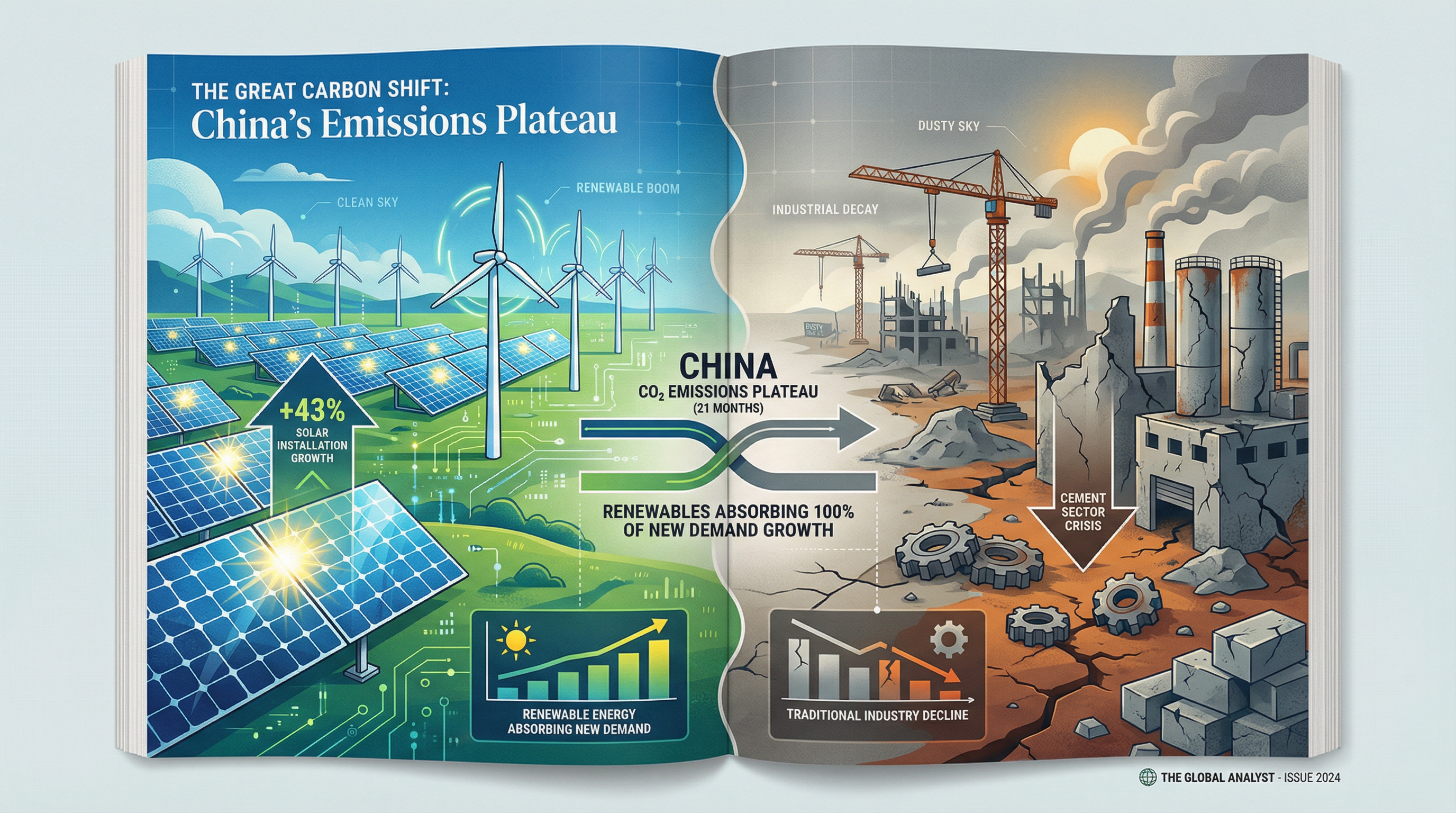
China's CO2 Emissions Stagnate for 21 Months: Structural Peak or Cyclical Accident?
China's CO2 emissions fell by 0.3% in 2025. It's a modest figure. But it extends a trend that has lasted for 21 consecutive months: since March 2024, the world's largest polluter's emissions have been "stable or declining."
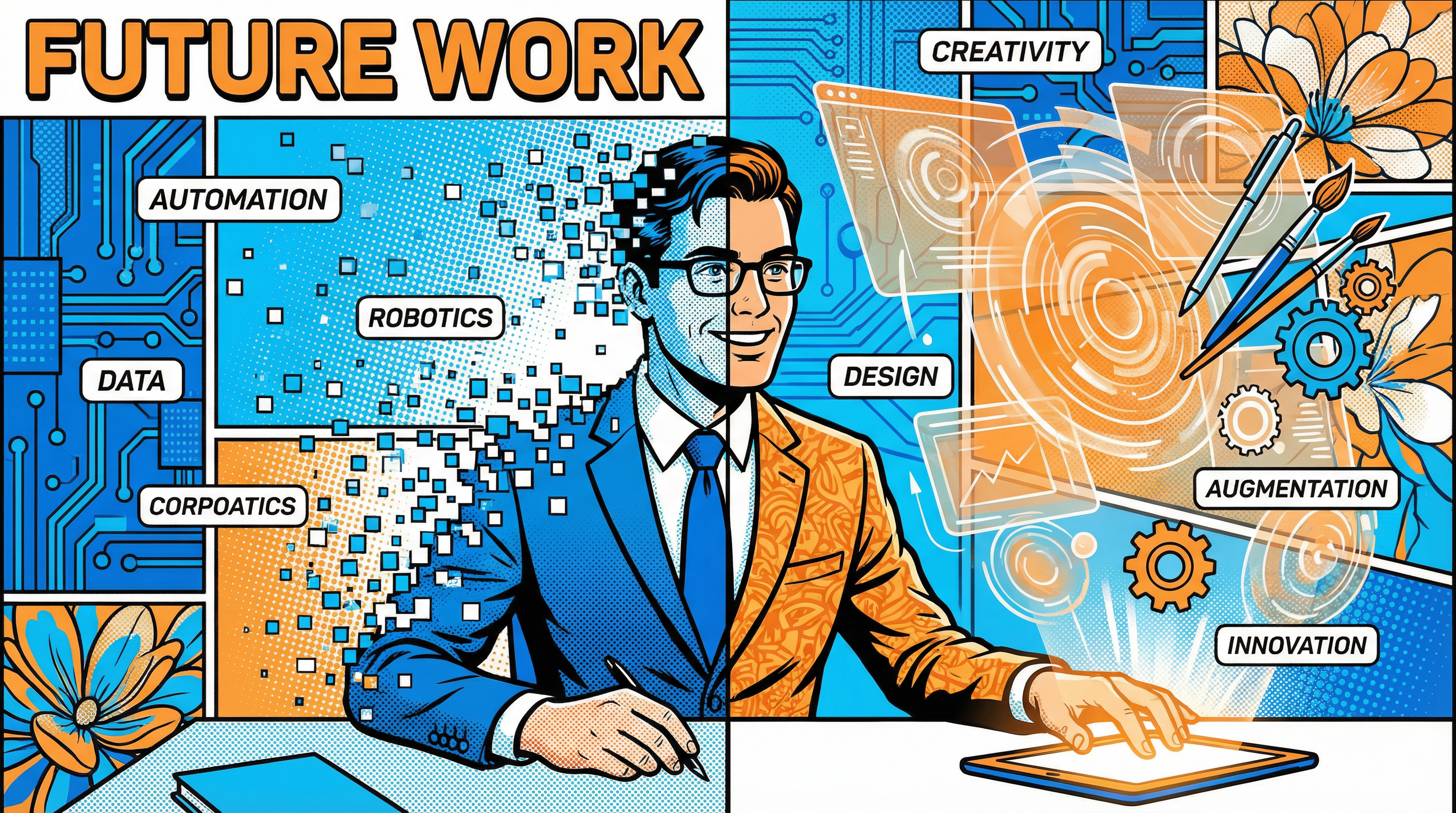
AI and Employment: Two March 2026 Studies Reveal -13% of Automatable Job Postings and +20% of Augmented Roles
Is AI destroying jobs? Two studies published in March 2026 — one by Harvard Business School, the other by Anthropic — provide the first solid empirical data. And the answer is more nuanced than public debate suggests.
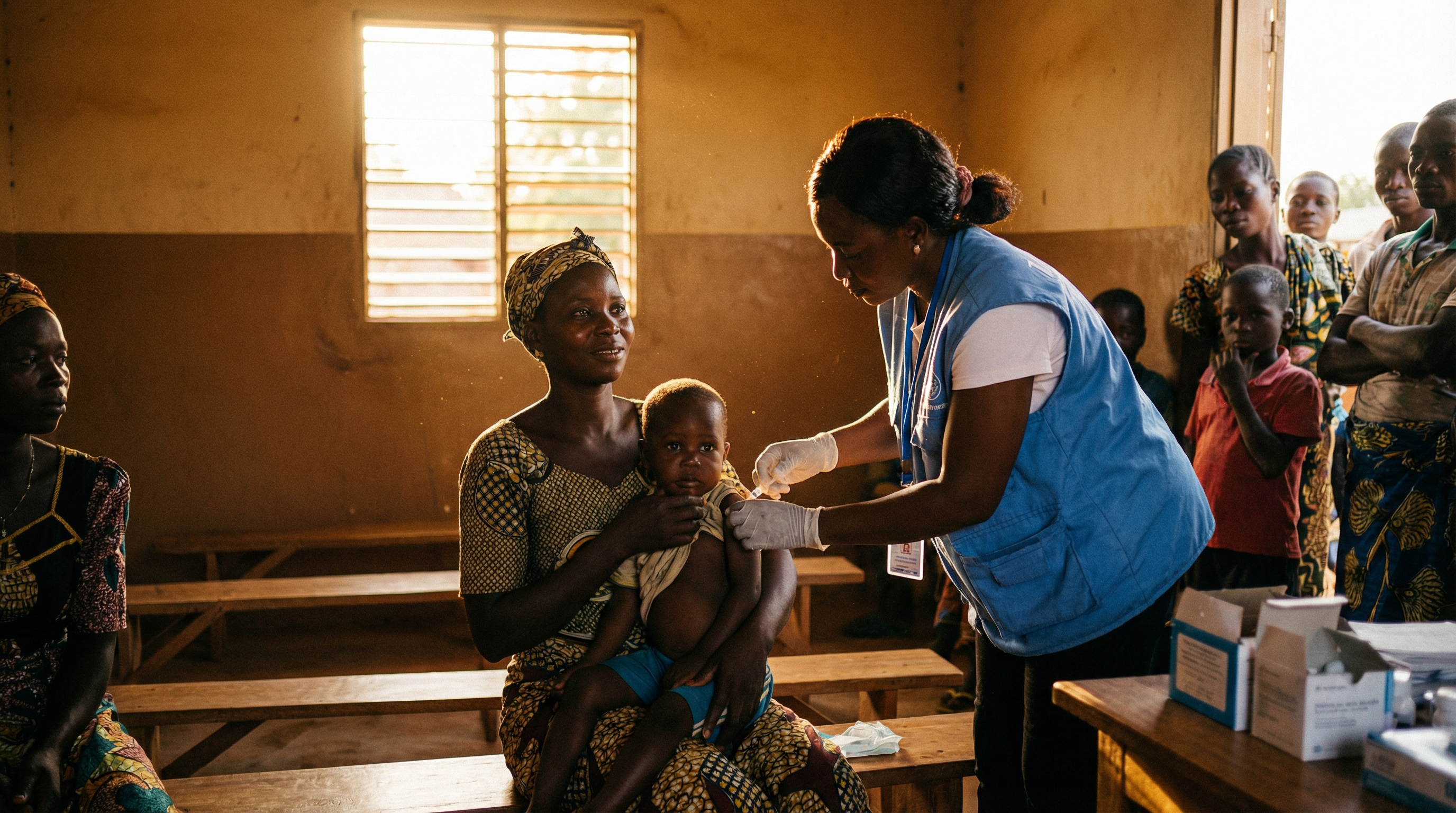
The Malaria Vaccine in Nigeria: 200,000 Children Vaccinated and a 50% Drop in Cases in Kebbi State
Malaria killed 608,000 people in 2022, 95% of whom were in sub-Saharan Africa and 78% were children under five years old. And for the first time, a vaccine deployed on a large scale shows measurable results in the field.