South Korea Restarts 6 Nuclear Reactors and Accelerates Renewables in Response to Middle East Tensions
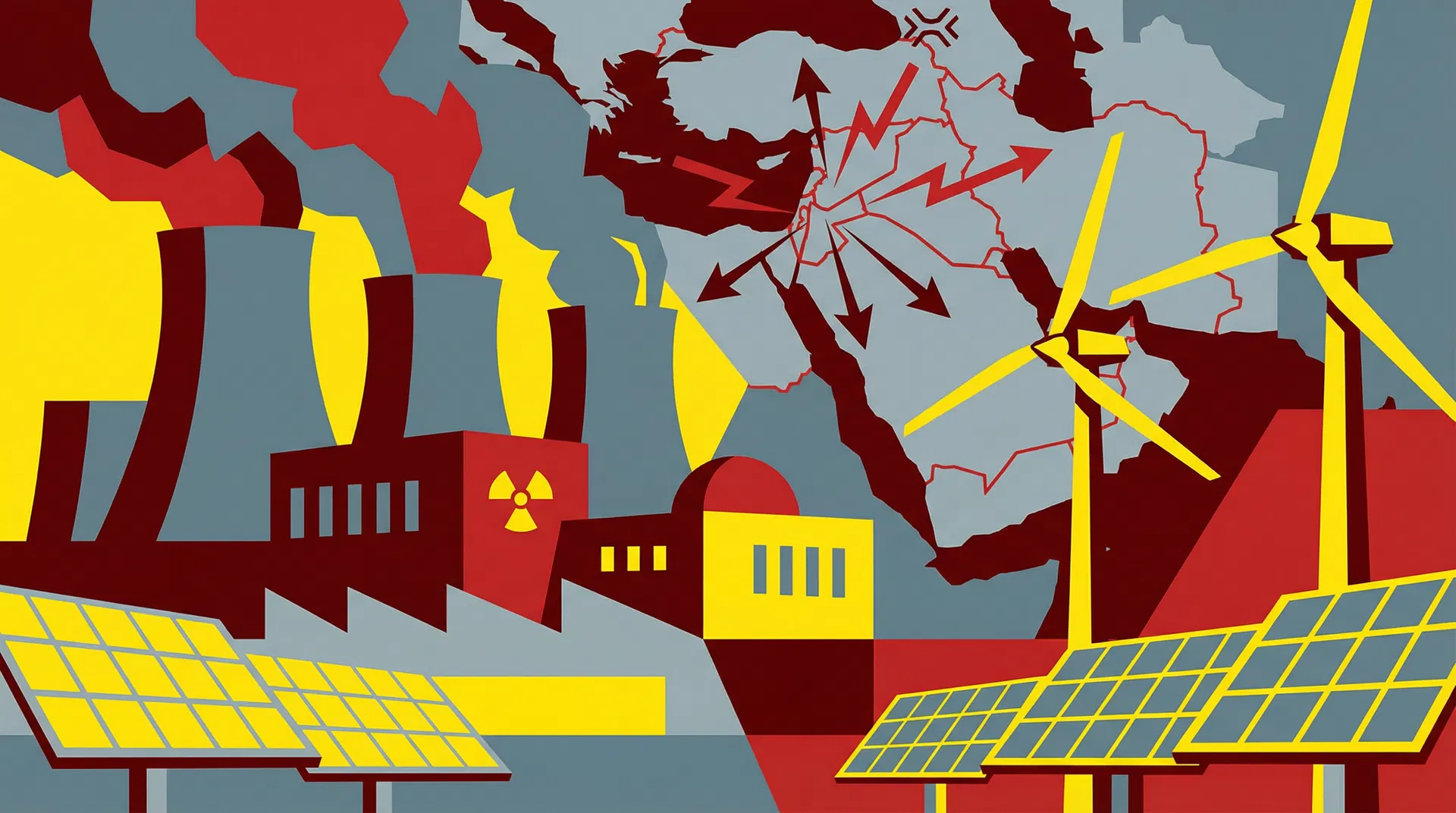
Facing intensifying tensions in the Middle East and a marked dependence on hydrocarbon imports, South Korea unveiled an emergency energy security plan in March 2026. This plan aims to guarantee the stability of its energy supply by increasing nuclear production and accelerating renewable energy deployment — a particularly critical strategy for the world's fourth-largest importer of liquefied natural gas (LNG).
19 Active Nuclear Reactors by Mid-May 2026
The South Korean government plans to bring the number of its active nuclear reactors to 19 by mid-May 2026. This increase includes the restart of six units temporarily shut down for maintenance. The country has 26 operational nuclear power plants, representing a total capacity of 26 GW, of which 15 units (16.45 GW) are currently in operation.
The first two units, Shinwolseong 1 and Gori 2, are expected to be brought back into service by the end of March 2026. Four other units — Hanbit 6, Hanul 3, Wolseong 2 and Wolseong 3 — will follow by mid-May. These restarts are strategic: they usually occur in spring, a period of low electrical demand, but are being accelerated here to strengthen national energy security in a deteriorating geopolitical context.
Nuclear power already represents about 30% of South Korean electricity production. By bringing 19 reactors into simultaneous operation, Seoul seeks to reduce its immediate dependence on LNG imports, whose prices have experienced significant shocks since tensions in the Strait of Hormuz.
South Korea, Fourth-Largest Global LNG Importer
South Korea's energy vulnerability is structural. The country imports almost all of its hydrocarbon needs — oil, gas, coal — and depends on Middle Eastern maritime routes for about 70% of its oil supplies. In 2025, South Korea imported 46 million tons of LNG, representing about 10% of global demand, making it the fourth-largest buyer worldwide after Japan, China and India.
This dependence translates directly into economic risk: a disruption of Persian Gulf maritime routes or a sudden rise in LNG prices can weigh several billion dollars on Korea's trade balance and fuel domestic inflation. The March 2026 plan is a response to this systemic risk, not just to a temporary situation.
Increased Flexibility in Coal Production When Needed
In addition to nuclear efforts, South Korea is considering using coal as a flexible electricity production lever in case of major LNG supply disruptions. This measure is designed as a last resort solution to compensate for potential supply disruptions.
The increase in coal plant utilization rates will be strictly controlled: limited to periods when environmental impact is lowest, it will be accompanied by strengthened air pollution control measures. The objective is to prevent a sudden increase in fine particle emissions while ensuring continuity of electricity supply.
This measure is controversial domestically. South Korean environmental organizations point out that coal already represents 30% of the electricity mix and that maintaining it as a backup option delays the energy transition. The government responds that supply security takes priority in the current context.
Accelerated Renewable Energy Deployment
In the medium term, the plan emphasizes accelerated renewable energy deployment. The government commits to executing its allocated budget for procurement and financing of projects in this sector more quickly, and to simplifying commissioning procedures for new installations.
South Korea has significant solar potential, particularly in the southern regions and on industrial area rooftops. In 2025, installed solar capacity reached 28 GW, compared to 11 GW in 2020 — rapid progress, but still insufficient to compensate for import dependence. Offshore wind, particularly in the Yellow Sea, is identified as the next large-scale development lever.
The plan also provides for simplifying licensing and grid connection procedures for renewable projects, an administrative bottleneck that has slowed several projects in recent years.
An Energy Diversification Model Under Geopolitical Constraint
The South Korean strategy illustrates a dilemma common to industrial economies heavily dependent on energy imports: how to reconcile short-term supply security, medium-term transition to low-carbon energies, and long-term industrial competitiveness?
Seoul's response — nuclear as a foundation, renewables as a trajectory, coal as a safety net — is pragmatic and consistent with its geographical and industrial constraints. South Korea is one of the world's most densely populated countries, with limited hydraulic resources and heavy industry (steel, petrochemicals, semiconductors) that consumes large amounts of electricity.
This plan does not solve structural dependence on imports, but it reduces vulnerability to short-term shocks. The fundamental question — how to finance and deploy enough renewables to significantly reduce LNG imports by 2035 — remains open.
Sources: Enerdata, South Korea Strengthens Its Energy Security Facing the Middle East Crisis, March 2026.
South Korea as a Model for Energy Mix Under Constraint
The South Korean experience interests many countries that share similar constraints: high industrial density, limited natural resources, dependence on energy imports. Japan, which followed a comparable trajectory after Fukushima (2011) — reactor shutdowns, then gradual restart — is closely watching Seoul's decisions.
The notable difference between the two countries is that South Korea never abandoned nuclear power as radically as Japan. Under the Moon Jae-in government (2017-2022), a policy of gradual nuclear phase-out had been announced. The Yoon Suk-yeol government, which came to power in 2022, reversed this trajectory by reaffirming nuclear power as a pillar of the energy mix. The March 2026 plan follows this political continuity.
This reversal illustrates a broader phenomenon: in several industrial democracies, nuclear power is returning to the energy agenda after years of marginalization, under the dual pressure of supply security and climate objectives. France, Belgium, Japan and now South Korea have all revised their positions on nuclear power between 2022 and 2026.
Receive Journal analyses directly in your mailbox.
Also Read
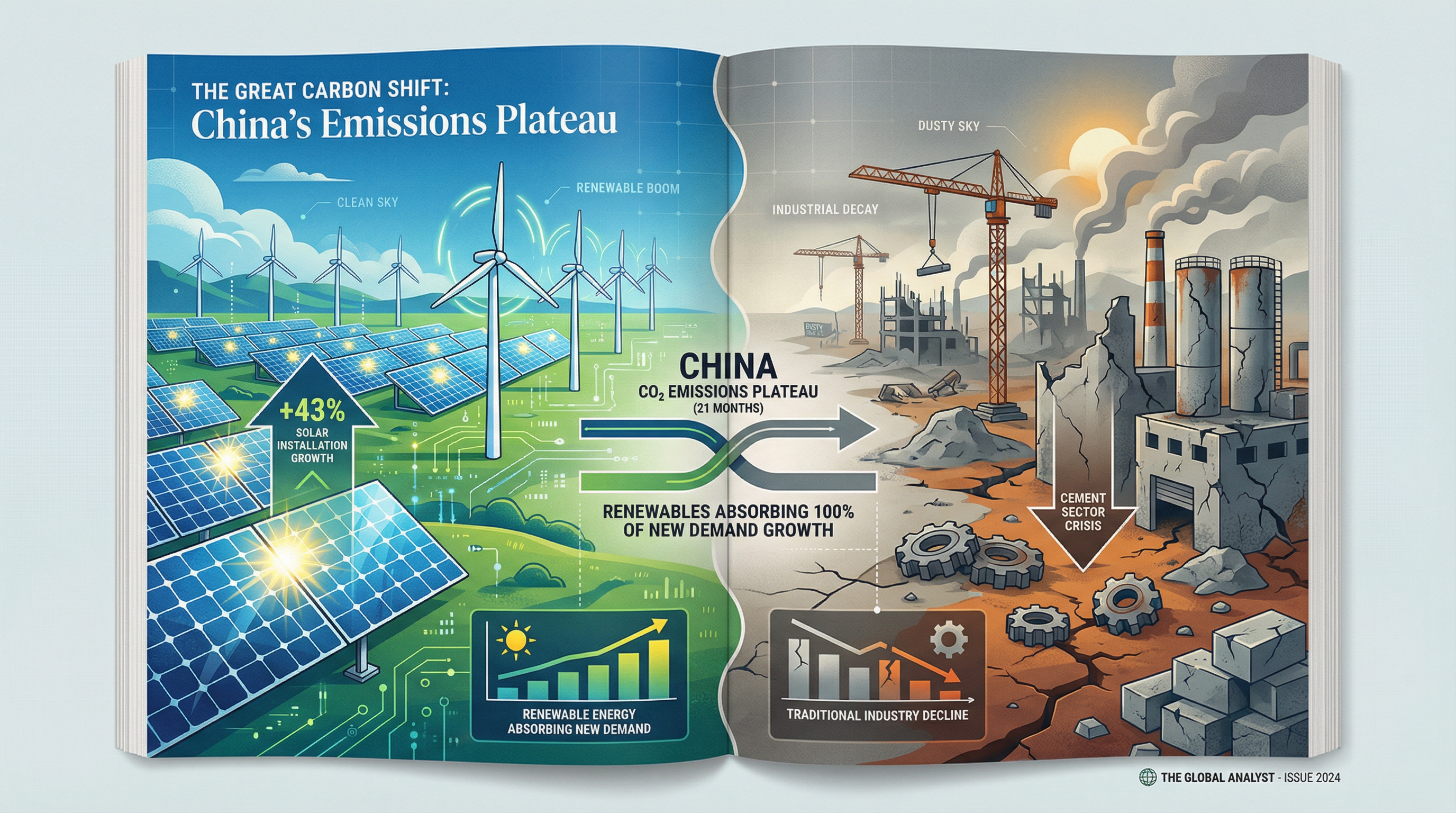
China's CO2 Emissions Have Stagnated for 21 Months: Structural Peak or Cyclical Accident?
China's CO2 emissions fell by 0.3% in 2025. It's a modest figure. But it extends a trend that has lasted for 21 consecutive months: since March 2024, emissions from the world's largest polluter have been "stable or declining."
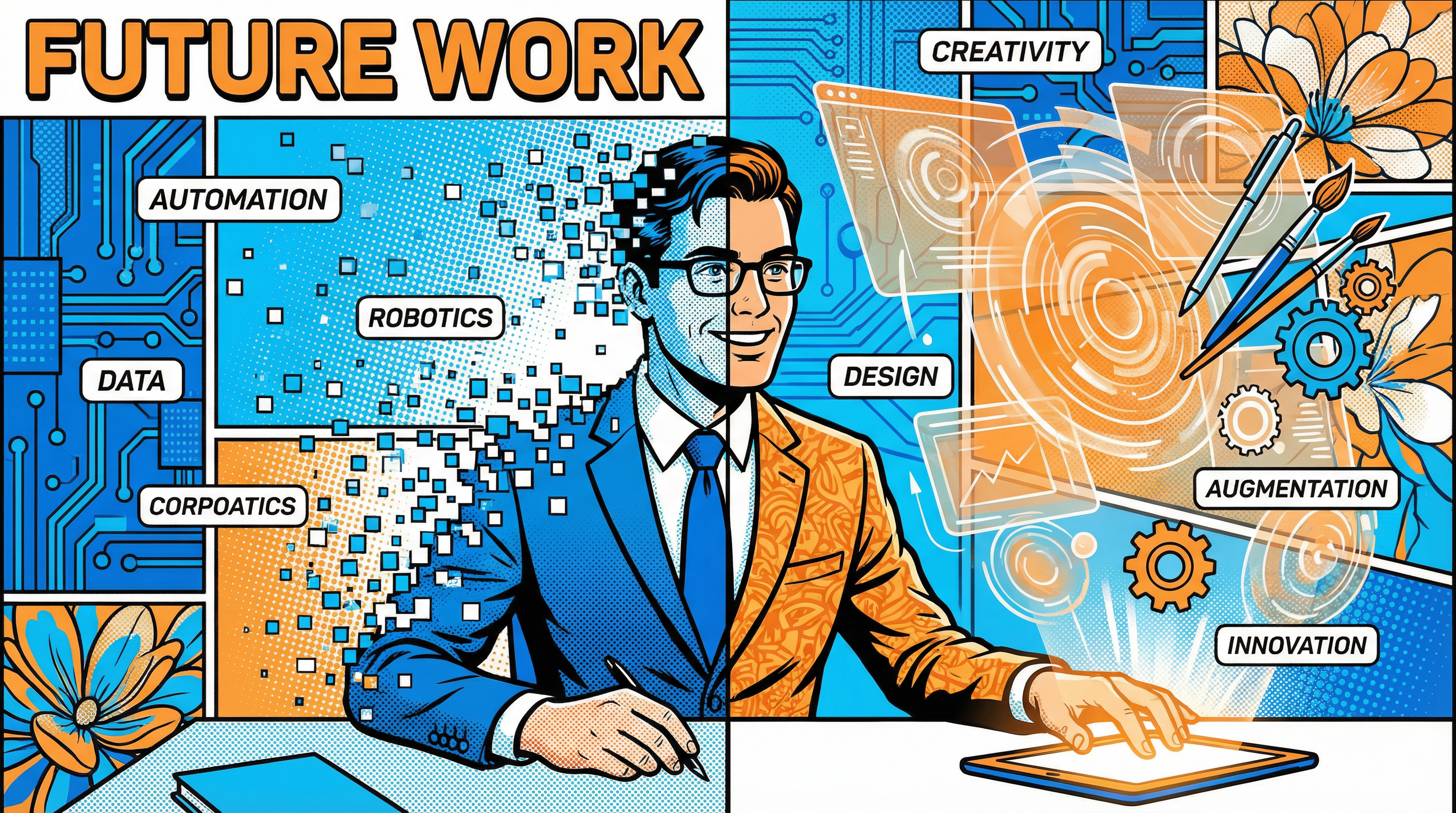
AI and Employment: Two March 2026 Studies Reveal -13% of Automatable Job Postings and +20% of Augmented Roles
Does AI destroy jobs? Two studies published in March 2026 — one by Harvard Business School, the other by Anthropic — provide the first solid empirical data. And the answer is more nuanced than public debate suggests.
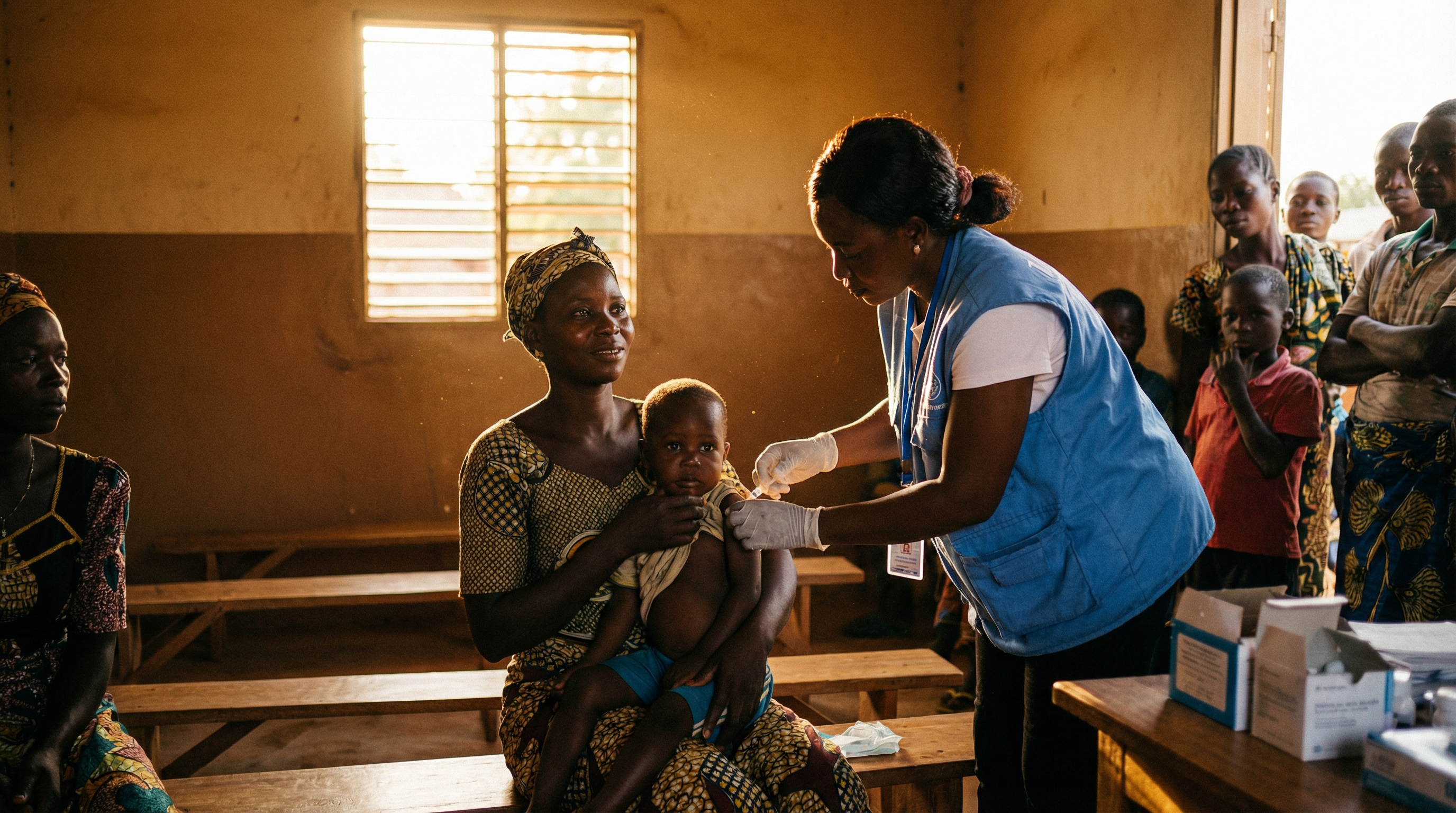
The Malaria Vaccine in Nigeria: 200,000 Children Vaccinated and a 50% Drop in Cases in Kebbi State
Malaria killed 608,000 people in 2022, 95% of them in sub-Saharan Africa and 78% children under five years old. And for the first time, a vaccine deployed on a large scale is showing measurable results in the field.