All articles

European Rail Freight Wants to Triple Its Market Share in Four Years, But States Prefer to Subsidize Trucks
79 million euros over three years to develop multimodal transport, against an immediate tax exemption for heavy-duty diesel fuel. The Netherlands perfectly illustrates the gap between Europe's rail ambitions—increasing its market share from 11% to 30% by 2030—and national policies that continue to f
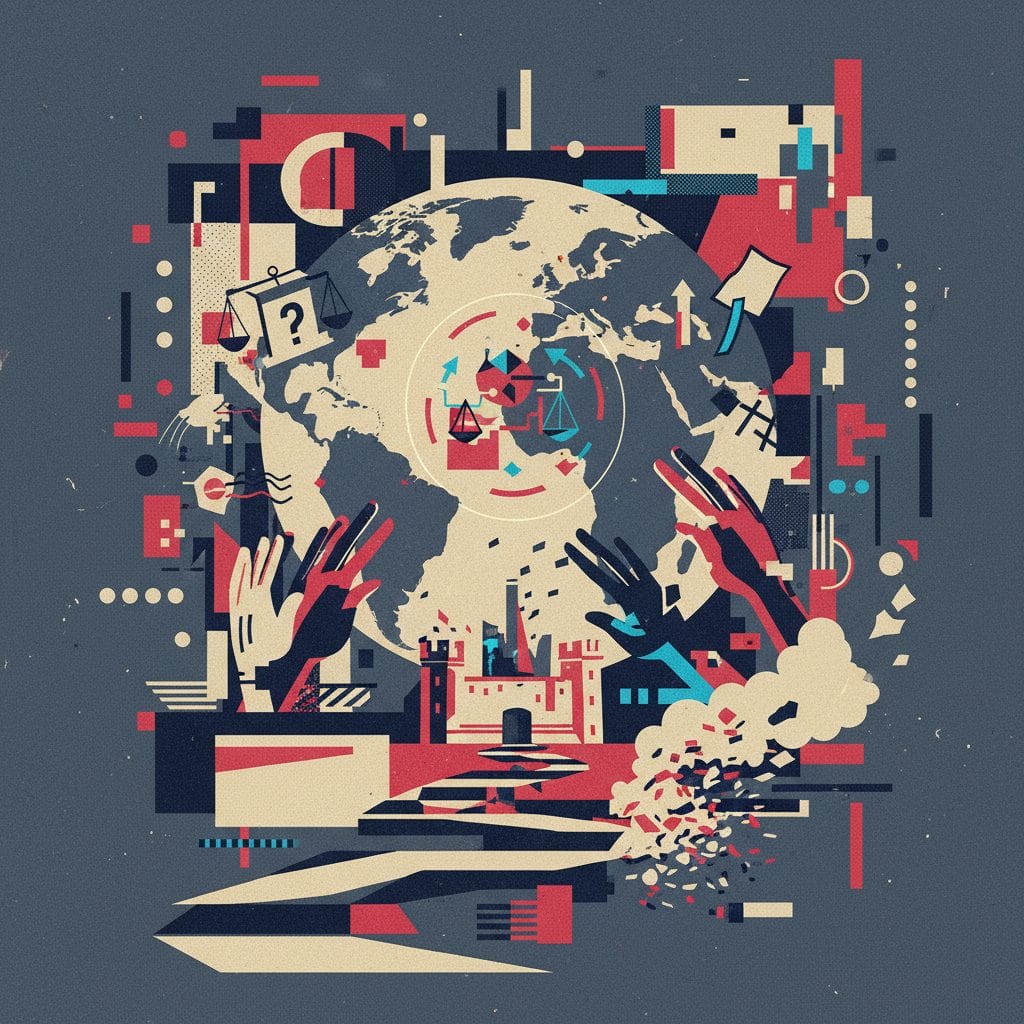
Democracies Rediscover Random Selection But Rarely Transform Recommendations Into Laws
733 deliberative processes recorded in 34 countries since 1979. The number of these citizen assemblies almost doubled between 2020 and 2023. Yet only 32% of citizens believe their government will act on the opinions expressed. More than four decades after its first experiments, citizen deliberation

America on the Verge of Revealing AI's Hidden Gains
750 American executives anticipate productivity gains of 3.0% thanks to artificial intelligence, yet national statistics still capture no measurable effect. Three years after ChatGPT, the American economy is replaying the Solow paradox: "We see AI everywhere, except in productivity figures." This di

Global Antitrust Catches Up with Tech Giants
$6.7 billion in antitrust fines imposed on digital platforms in 2024, more than double the previous year. This figure marks a turning point: after fifteen years of quasi-feudal dominance, tech giants face a coordinated regulatory offensive that is redefining the rules of the global digital game. Eur

The Junior Pyramid Wobbles in Major American Firms
64% of large American companies restructured their junior recruitment due to AI agents in the fourth quarter of 2025, compared to just 18% three months earlier. This abrupt acceleration reveals the collapse of the economic model that has structured consulting firms and service companies for fifty ye

Global Migration Flows Shift from South-North to South-South
The IOM Records 304 Million Migrants, and the Majority No Longer Flow from South to North More than a third of the 304 million international migrants now circulate between developing countries, transforming a migration geography that the West believed it understood. Western imagination of migration
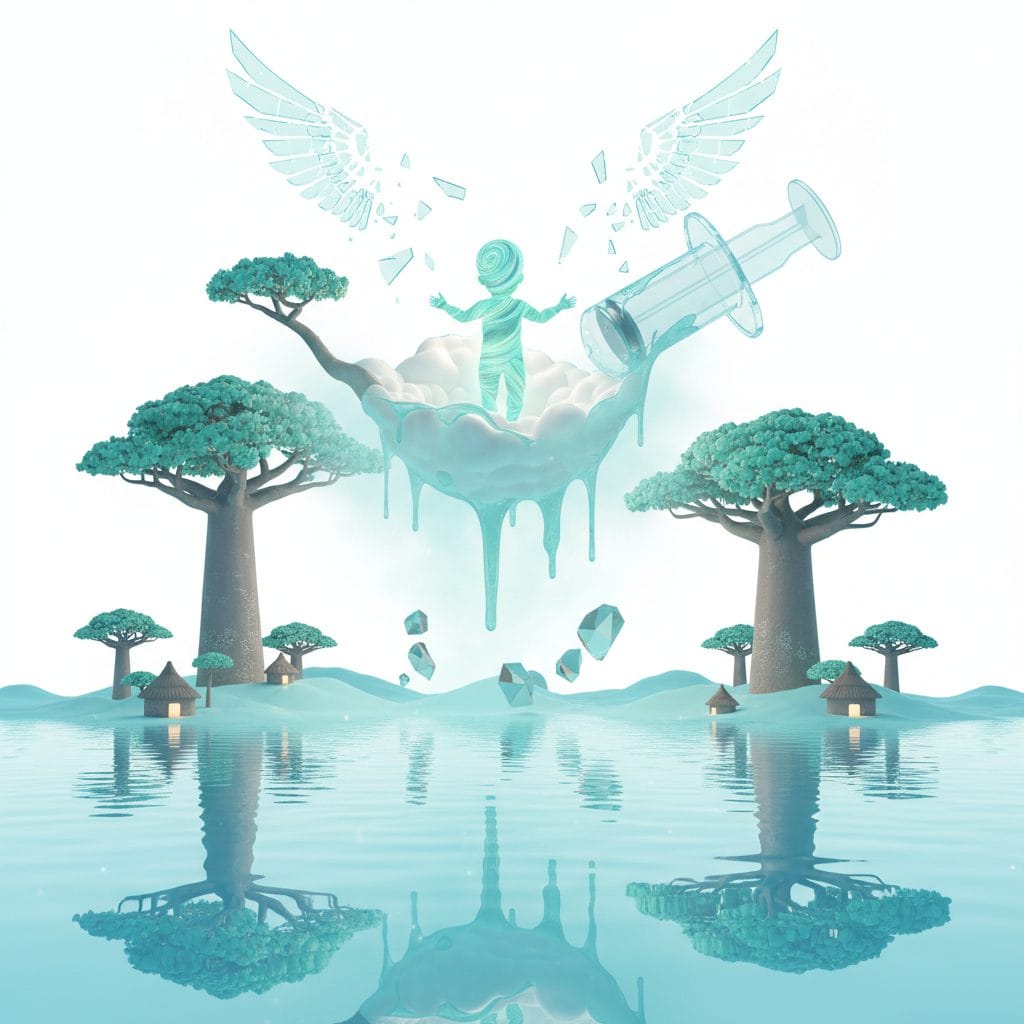
The Malaria Vaccine Saves One in Eight Children
One in eight. That is the proportion of deaths prevented among children eligible for the RTS,S malaria vaccine in Ghana, Kenya, and Malawi over four years of deployment. Translated into human lives: more than 13,000 African children have escaped death thanks to this vaccine developed over 35 years b

Why Platform Cooperatives Remain Marginal Despite Their Effectiveness
28.3 million digital platform workers in the European Union, yet fewer than 1% work for cooperatives they own. This contrast summarizes one of the most striking economic paradoxes of the decade: alternative models to tech giants function better for workers, but struggle to capture significant market

The World's Best Family Policies Cannot Prevent Nordic Countries from Sliding into Very Low Fertility
Finland has just recorded a fertility rate of 1.25 children per woman in 2024, its lowest in history and one of the lowest rates on the planet. This figure places the country on par with Japan and South Korea, two societies known for their demographic difficulties. The Nordic model is crumbling. For
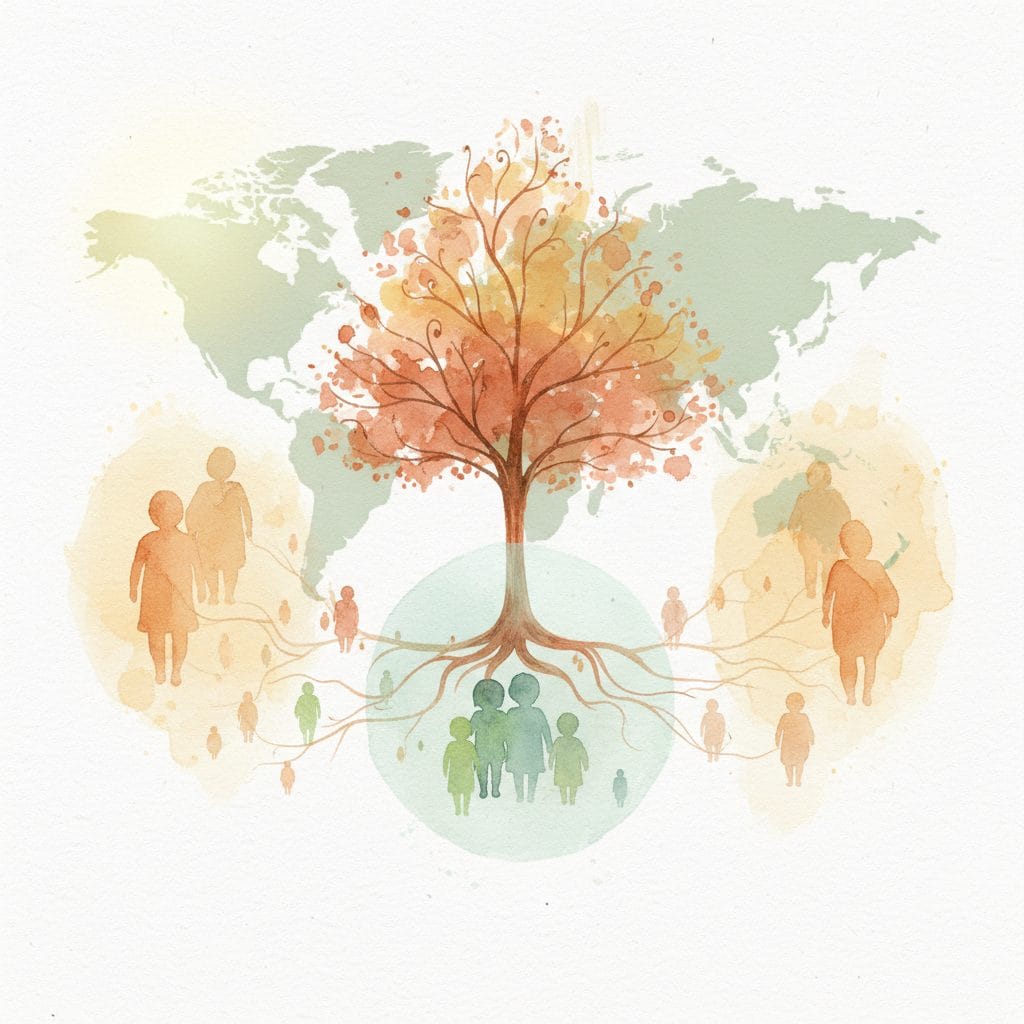
Young People Are Becoming Lonelier Than the Elderly and Reversing 60 Years of Social Policy
Loneliness now disproportionately affects adolescents and young adults, reversing six decades of social paradigm. While studies from the 1970s-1980s showed an ascending curve — the older one became, the greater the risk of being alone — this trend has inverted over the past two decades. This generat

The ILO and OECD Converge on an Embarrassing Finding: Vocational Training Pays Better Than University in Ten Out of Ten Countries
The 2024 figures break a taboo: in all developed countries, vocational education offers better employment prospects than general education. Among 25-34 year-olds, the gap reaches 9 points — 83.2% employment for vocational versus 73.8% for general. This consistent performance reveals a major politica

From Salaried Employment to Platform Work: The ILO Decouples Labor from Legal Status
435 million people work through digital platforms worldwide today. None of them benefit from complete social protection. The International Labour Organization proposes a historic break: recognizing fundamental rights independently of employee or self-employed status. The convention on the agenda of

China Confirms the Collapse of Its Authoritarian Demographic Model
7.92 million births in 2025, or 5.6 per 1,000 inhabitants. China has just recorded its lowest birth rate since 1949. With a fertility rate of one birth per woman, the world's most populous country now displays the same demographic profile as Italy or Germany. Thirty-five years of the one-child polic

The Cosmic Web Reveals Its Invisible Structure
150 hours of observation were sufficient to capture the most precise image ever obtained of a cosmic filament connecting two galaxies. This technical feat spectacularly confirms theoretical models of cold dark matter developed since 1982 and opens a new era of exploration into the invisible architec

Science Validates Regenerative Agriculture but Institutions Block It
Less than 2% of global agricultural land applies regenerative practices, despite new modeling published in Nature demonstrating their benefits for carbon, biodiversity, and yields. The gap between scientific evidence and adoption reveals a major institutional problem: subsidies remain tied to immedi

Narrative Audio Explodes and Redefines Access to Long-Form Culture Without Waiting for the Death of the Book
81% of Americans listened to online audio last month according to Edison Research. This figure marks a shift: listening is becoming the primary digital cultural practice ahead of screen reading. Artificial intelligence accelerates this mutation by dividing audio production costs by five, enabling Au

When Supply Determines Demand: Emerging Paths for Refinancing Poor Countries
In low-income countries, the share of foreign currency debt is collapsing: from 18.7% in 2019 to 7.6% in 2025. This 11-point drop does not illustrate a controlled debt reduction strategy, but rather a brutal exclusion from international financial markets. With 52% of their bond debt maturing by 2028

Asia Loses Its Secret Water Tables, Innovation Strikes Back
24.2 billion tons of groundwater evaporate each year from the natural reservoirs of the Himalayas, Pamir, and Tian Shan. This "Asian Water Tower" supplies agriculture and drinking water to several hundred million people in Pakistan, India, Central Asia, and northern China. Its gradual disappearance

Why Democracies Almost Never Resurrect — Anne Applebaum's Twilight of Democracy
Can democracies truly resurrect after an authoritarian episode? The dominant narrative wants to believe in their intrinsic resilience: once the dictator is removed, institutions would restart, civil society would reconstitute itself, the rule of law would reclaim its rights. Recent research from the
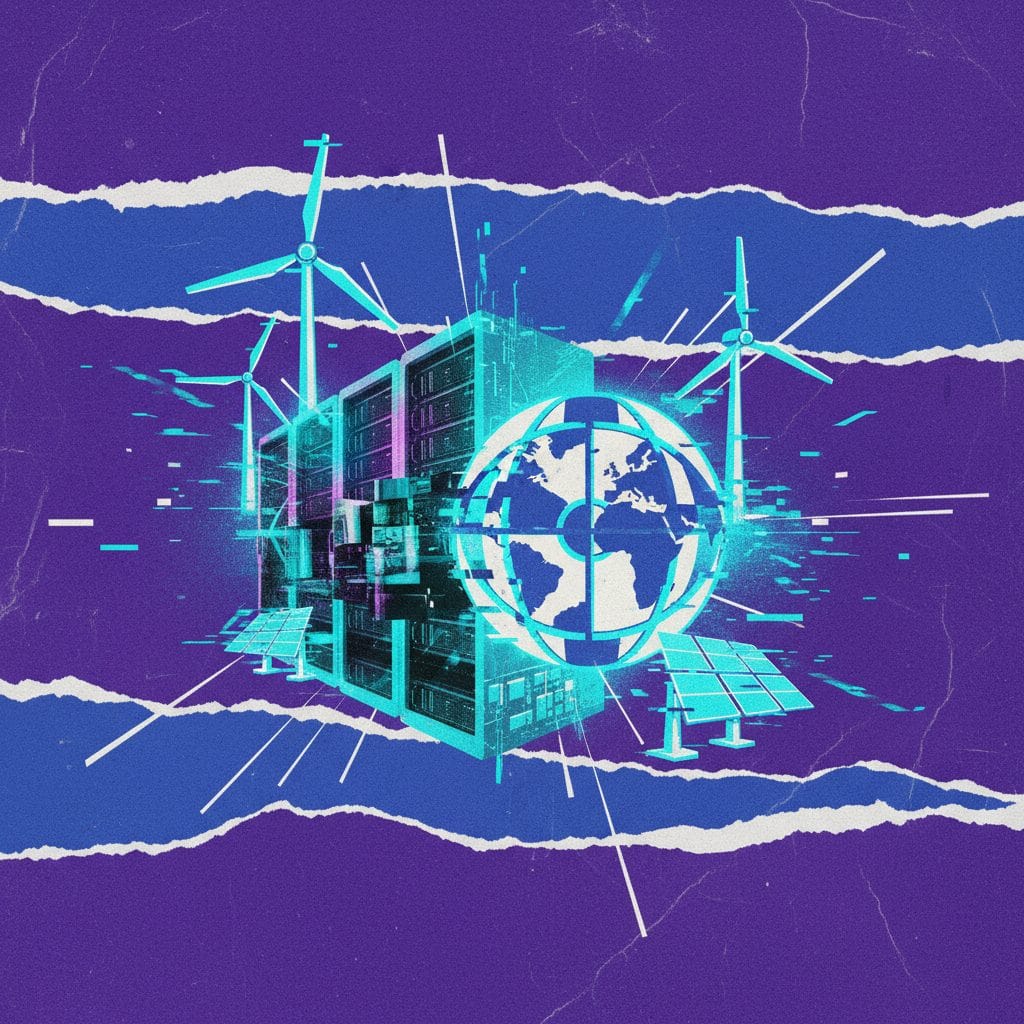
When Data Centers Transform Tech Giants Into the World's Leading Clean Energy Buyers
6% of national electricity. That is the share now consumed by data centers in the United Kingdom and United States, according to the International Data Center Authority. A 15% increase over two years that propels Google, Microsoft, Amazon, and Meta to the rank of leading corporate buyers of renewabl

South Korea and Japan Become the New Soft Power Exporters as America Retreats
$1.5 billion. That is what South Korean music exports now generate, quadrupling over ten years to place Seoul at the heart of an unprecedented geopolitical redistribution: that of global cultural influence. Japan has just dethroned the United Kingdom in the third rank of the world soft power ranking

Reading for Pleasure Becomes a Class Privilege in the United States
Only one in six Americans reads for pleasure on any given day in 2023. This figure was one in four at the beginning of the 2000s. Over twenty-three years, daily reading has collapsed from 28% to 16% among American adults. But this decline masks an unprecedented polarization: those who still read now
Universal Basic Income Produces More Investment Than Laziness According to the Largest Experiment Ever Conducted
In Kenya, 23,000 people receive $0.75 per day with no conditions for four years. This unprecedented experiment is upending the debate on universal basic income: beneficiaries do not work less, they invest more. The 12-year guarantee triggers economic behaviors that short-term Western pilots do not a
Renewable Energy Surpasses Coal in Global Mix Without Anyone Sounding the Victory
The shift happened silently. For the first time since the invention of the steam engine, coal has lost its dominance in global electricity production. In 2025, renewable energies reached 33.8% of the global electricity mix compared to 33.0% for coal. This historic turning point masks an even more st