All articles

Europe's Carbon Audit Rule Creates Trade Barrier for Small Exporters
Europe designed the CBAM so that the price of carbon does not stop at its borders. But the mechanism requires verification by accredited verifiers. Control falls to the Commission and competent national authorities, while verification is carried out by accredited verifiers. Compliance costs vary dep
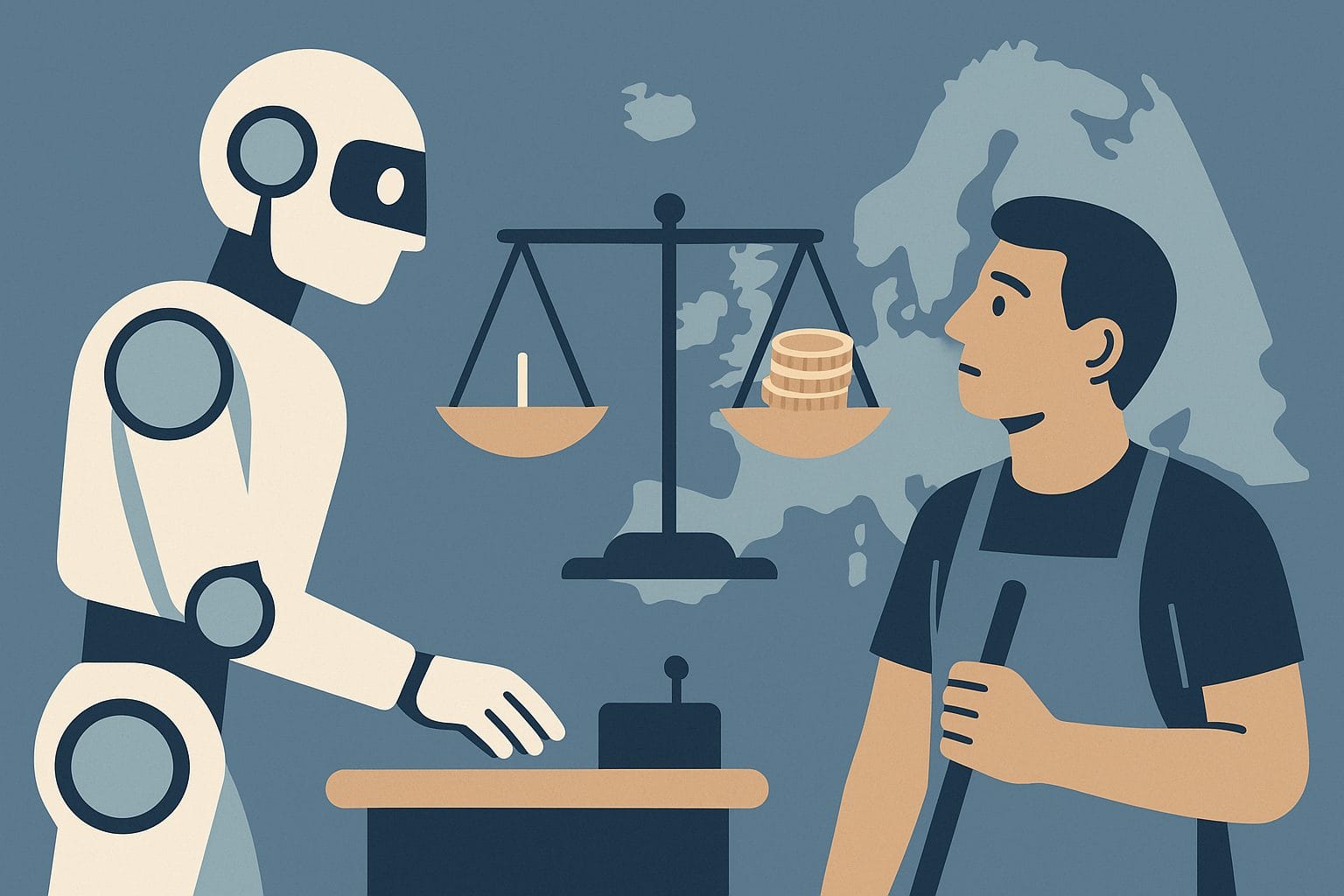
When Robots Catch Up to Low Wages
Poland's wages have risen sharply while robotization has increased over the long term, with no proof that the wage increase directly caused it. The country still shows notably lower robot density than the European average, but the gap is closing fast. When labor costs rise rapidly, factory managers

Europe Protects Its Media as a Public Good
Between April 2024 and November 2025, the European Union adopted or presented several instruments to defend the information space of its democracies. This consistency in timing says something about the seriousness of the diagnosis: without a shared factual base, democratic institutions spin empty. T
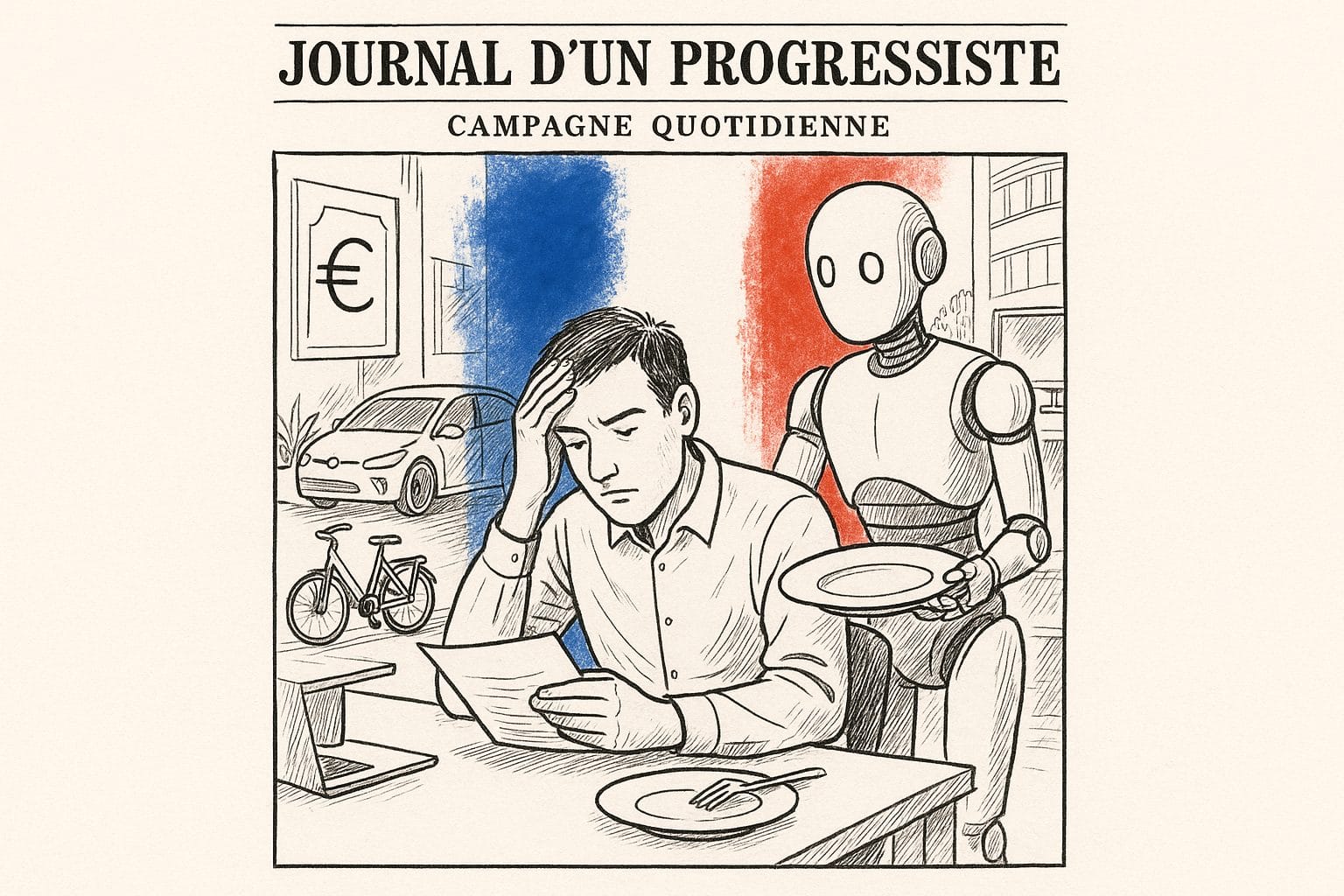
The tax burden weighs on work while AI empties the coffers
France collects 45.3% of GDP in 2024, the second-highest rate in the eurozone [1]. The 2027 choice is concrete: shift the burden from salaried work to automated capital, before AI contracts the tax base where it bears most heavily. The 2024 rate of 45.3% of GDP exceeds the eurozone average of 40.9%

Latin America Is Aging Without Building Its Social Protection Systems
In 2026, Latin America has 98 million people aged 60 and over, representing 15% of its population. In 2018, functional dependency affected approximately 12% of people over 60 and nearly 27% of people over 80, according to Aranco et al. (2018). The region is undergoing accelerated demographic transit

$172 Billion to Host Gulf AI, Not to Invent It
Saudi Arabia and the United Arab Emirates dominate regional data center capacity and have mobilized substantial investments for AI infrastructure by 2030. It is the Middle East's most visible bet on the digital economy, and perhaps the most ambiguous one. Building the pipes of global artificial inte

Mental Health Remains the First Line of the Budget to Cut
Three out of four adults in Latin America who need psychiatric care do not receive it. The treatment gap has been documented since at least 2009, but estimates vary by disorder, country, and survey, despite health ministers' statements of commitment, PAHO reports, and repeated appeals from the medic

Hydropower in Decline, Nuclear Shut Down: Switzerland Imports 32% of Its Electricity
Switzerland remained a net exporter over the year 2024, although it frequently experiences supply deficits in winter. Gross physical imports represented approximately 48% of national consumption in 2019 and 42% in 2024, while hydrological deficits and the price crisis affected certain years without

Research Data Gouv, HAL, NAKALA: Three Platforms with No Common Bridge
In 2018, France ranked third in the European assessment of open public data maturity, at 83%, behind Ireland and Spain, yet its researchers navigate between silos that are not uniformly connected. The country has established rules for free reuse of public research data and targeted opening obligatio

Asian Textile: Wages Rose, Factories Stayed
Wages in sewing workshops in Vietnam and Bangladesh increased between 2020 and 2025, with varying progress depending on the country and region. Yet Western buyers have not brought their orders back home. Economic theory predicts that a disappearing comparative advantage triggers a geographical reshu

France Pays Twice for Imposed Part-Time Work
One million two hundred thousand employees work part-time without having chosen to, earning approximately 1,013 euros net per month [1], or 203 euros below the poverty threshold of 1,216 euros [2], in a declared job. The state then pays them the employment bonus to compensate. This double payment—a

48% of Brand Content Generated by AI
A significant share of brand content on social networks is now produced by AI. Meanwhile, the average price of Meta ads has risen, and influencer marketing spending has increased according to available data. Spending with creators is growing, but the causal role of algorithmic abundance in this shif

"Community Notes" Cover Only 1.2% of False Posts on X
Meta stated that 95% of people seeing a warning did not consult the original content. This figure suggests that a warning can discourage consultation of the original content, without establishing the overall effectiveness of moderation. Since X/Twitter implemented a participatory contextualization s

Heat waves put nuclear power at its hydrological limits
Every heat wave summer, EDF reduces the power of its reactors or shuts them down: the rivers are too warm to absorb the thermal discharge without harming ecosystems. A study published on ScienceDirect projects for two French nuclear plants studied an increase in unavailability linked to lower water

Book Review. "The Troubled Energy Transition" by Daniel Yergin
The world has invested trillions of dollars in renewable energy over the past twenty years, yet the share of coal, oil, and gas in the global energy mix has not declined significantly. Daniel Yergin, an energy historian and author of The Prize, published an essay in Foreign Affairs online on Feb

India Creates 3 Million Formal Jobs for 12 Million Labor Market Entrants
Each year, India welcomes a significant number of young people to its labor market. Some of these young people enter formal employment, while others join the informal sector, underemployment, or inactivity. This imbalance raises the central question of Indian development: can a world-class industry
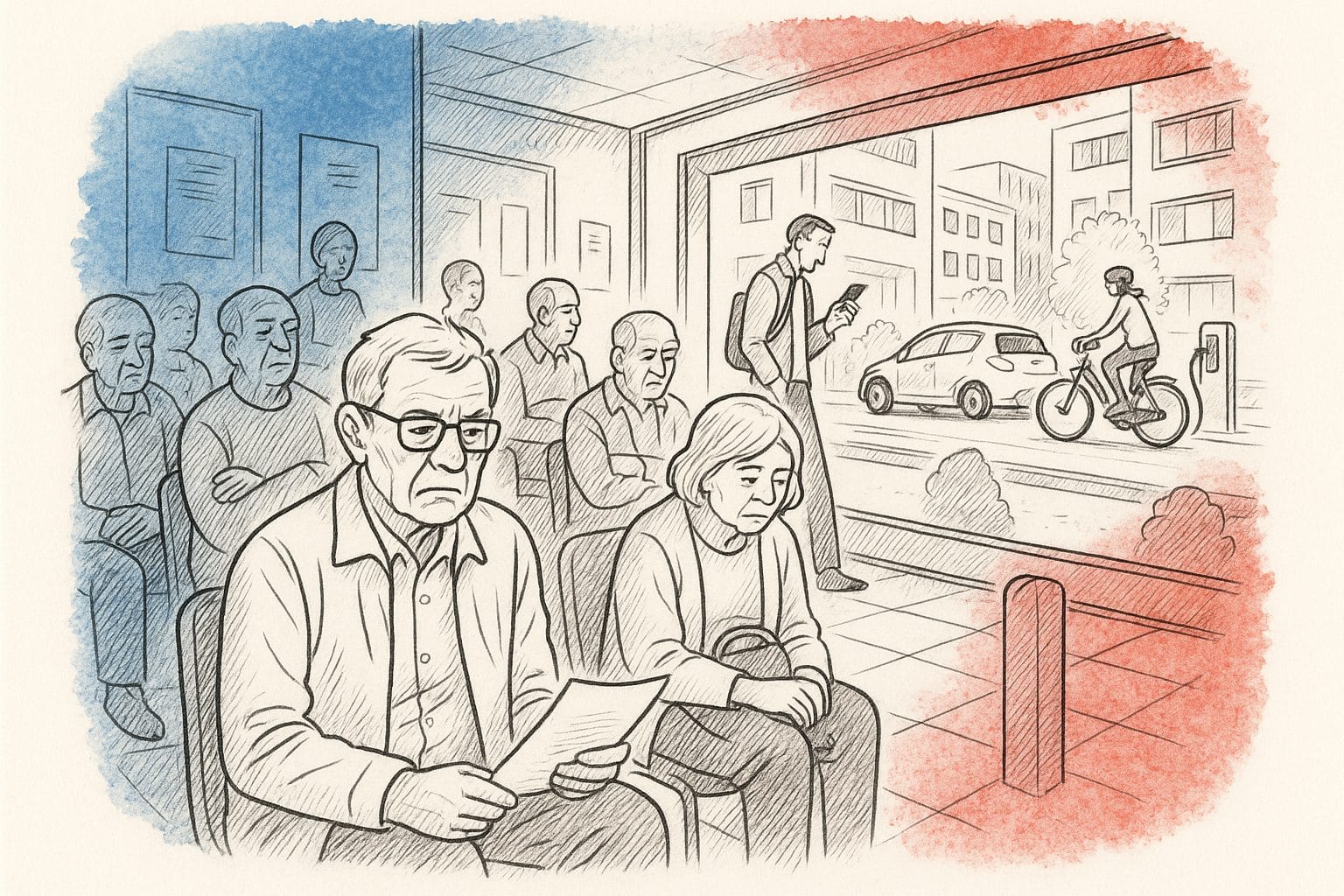
Seniors Locked Out of Employment, Shrinking Social Funding Base
Turning 50 in France and losing your job statistically means risking never finding another one. In 2025, 39.1% of unemployed people aged 50 or older have been without work for at least one year [7]. France employs only 60.3% of its 55-64 year-olds, according to INSEE, compared with 75.2% in Germany

AI Data Centers Waiting for Network
PJM Interconnection, the operator powering thirty U.S. states, projected demand growth from data centers of around 30 GW between 2025 and 2030. AI is producing unprecedented infrastructure demand, and the institutions tasked with meeting it have not moved at the same pace. - PJM projected data cente

Data, Watts and Negotiating Power Migrate Toward Cloud Giants
Over the next five years, data centers in the ERCOT region, which covers most of Texas, will experience significant growth. This dynamic is changing how a network designed for millions of dispersed consumers plans its expansion, increasing the weight of large customers. The terms of electrical grid

AI and Wages
In Europe, artificial intelligence is producing measurable productivity gains. A CEPR study concludes that productivity gains have so far benefited employees of adopting firms, without establishing their distribution by profession. A CEPR study covering 12,000 European firms measures an average prod

Too Few French Shareholders: An Economy Depriving Itself of Its Own Strengths
In 2024, income from investment returns surges by 32% [1]. According to France Stratégie, reported by the Observatory on Inequalities, 96% of these dividends end up in the hands of 1% of tax households [10]. This figure reveals the narrowing of the economy's engine, beyond the enrichment of a small
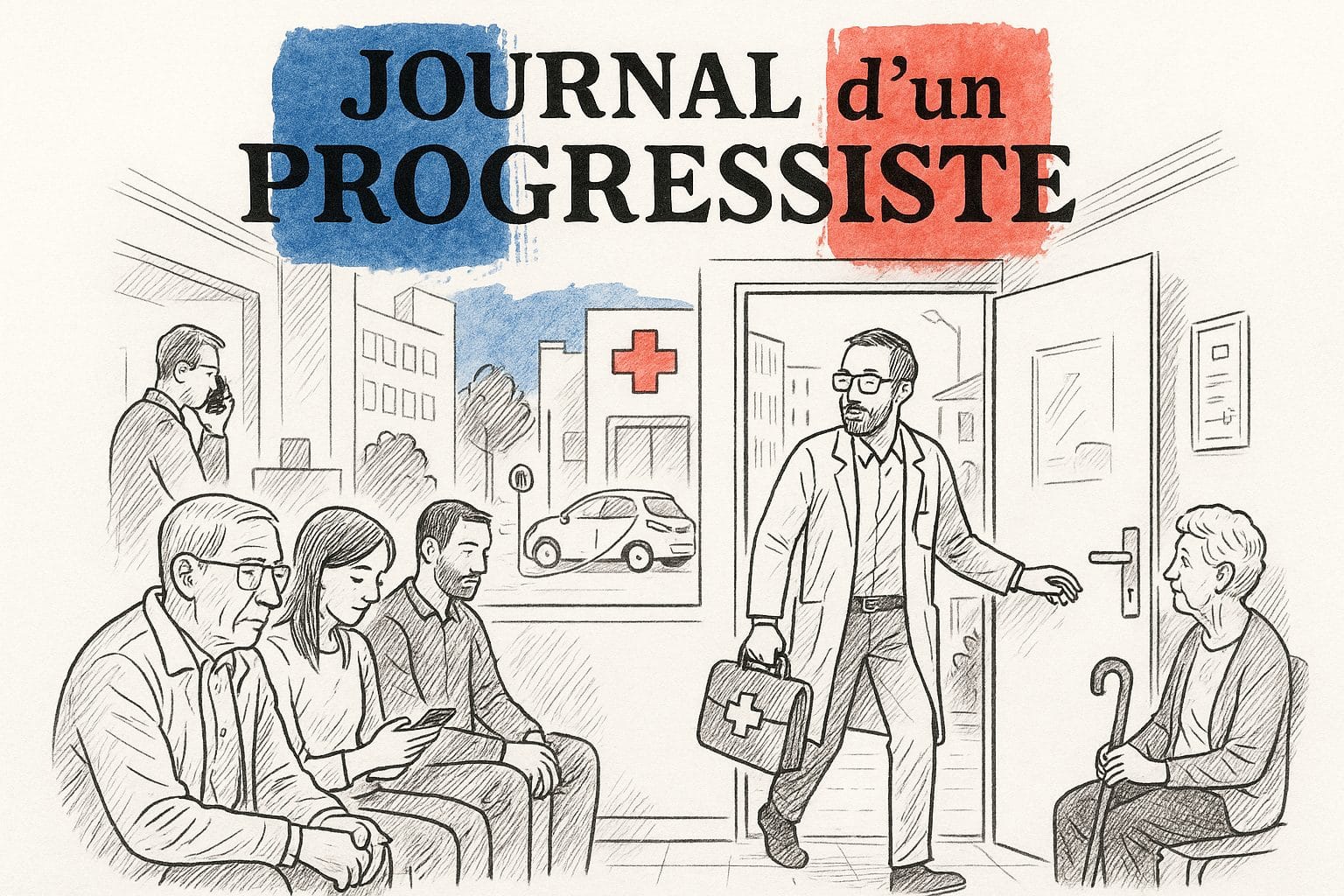
Medical Deserts: Regulate Installation or Cross the Dark Decade Unprotected
Six and a half million French people have no declared primary care physician. Eure-et-Loir lost 40% of its general practitioners in fifteen years. The demographic wave of old age arrives between 2030 and 2040, precisely when the trough of medical cohorts from 1993-2000 is deepest. Making any new ins

Gulf Financial Regulators Set Global Standards for Banking AI
In February 2026, the Central Bank of the United Arab Emirates published operational guidance on artificial intelligence and machine learning specifically for banks. The Gulf, often perceived as a state-supervised technology testing ground, is producing sectoral norms that regulators administer with
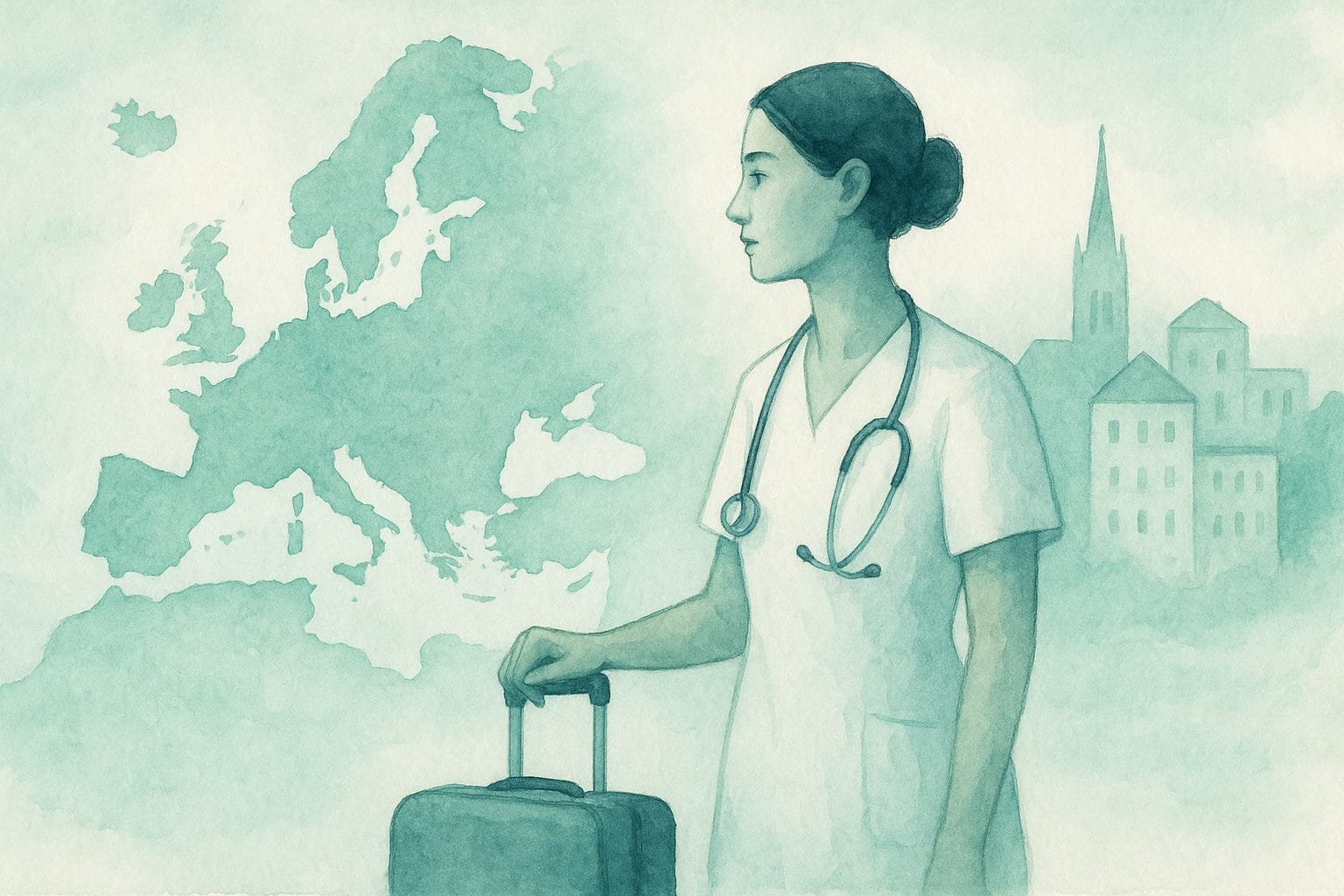
Rich European Countries Attract Nurses and Deepen Healthcare Inequalities
Nurses from Central and Eastern European countries are leaving to work in Western and Northern Europe. The European Union guarantees this freedom. But what free movement makes possible on the departure side, it makes impossible on the arrival side: the retention of healthcare workers in countries of