english

Financing the Growth of European Start-ups, a Challenge That Remains
European start-ups know how to raise their first millions. What they don't always find on the Old Continent is what comes after. The FIVE report from January 2026, produced as part of a Franco-German initiative on financing innovative enterprises, documents a structural imbalance: European supply of
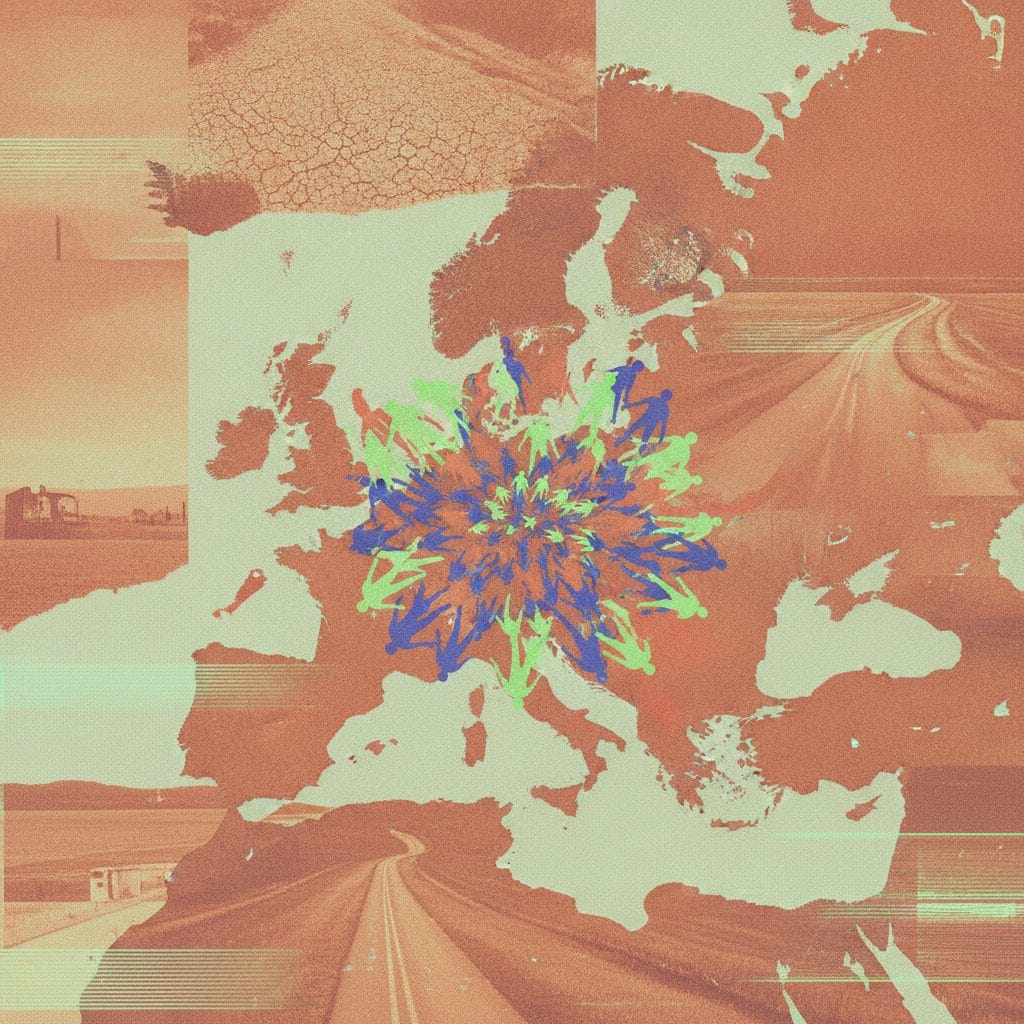
European Youth Concentrates, Territories Empty
Europe is aging, but it is not aging together. Behind the continental average lie two realities that diverge increasingly each year: metropolises in the North and West that absorb mobile youth, and numerous rural and remote areas in the East and South experiencing persistent depopulation, though thi

Rural Areas Are Not Emptying Themselves
The European Commission indicates that 843 of the 919 municipalities in Castile-La Mancha had fewer than 5,000 inhabitants and that the region had recorded slight demographic decline since 2013; available documents show a population decrease in 573 of the 919 municipalities between 2006 and 2013, or

Metropolises Are Getting Younger by Attracting Skilled Jobs
In Australia, major cities are growing fast and aging slowly: in 2024-2025, Australian capitals welcomed 324,700 additional residents, representing growth of 1.8%. As of June 30, 2024, their median age was 36.9 years, compared to 42 years in non-capital areas. For 2024-2025, the Centre for Populatio

Treating Disease by Disease is No Longer Sufficient in the Face of Multimorbidity
In Australia, three out of five people live with at least one chronic disease, and nearly two out of five with at least two simultaneously. This figure says something deeper than a prevalence statistic: it describes a structural mutation in healthcare demand, to which health systems designed to trea

Long-Term Financing for Programs That Survive Their Subsidy
Canada's Public Health Agency tracked 1,700 communities supported through its Innovation Strategy program. 82% of projects continued after funding ended, and 90% reported sustained impact on public health policies or practices. The results suggest that multi-year financing was part of a multifactori

Social Cohesion as a Health Variable
Living in an area where the estimated sense of community belonging is low is associated with less favorable self-rated health; this study does not demonstrate causality. After adjustment, residents of areas with low community belonging had 1.53 times the odds of reporting fair or poor health, compar

Uganda Digitizes Monitoring of Its Local Authorities
In 2026, Uganda crossed a concrete milestone in African public governance by simultaneously launching a national monitoring and evaluation dashboard, a performance report on local authorities, and a roadmap for the Sustainable Development Goals for 2025-2030. These three tools form a coherent system

UNESCO Equips Itself with Tools to Measure Global Culture
Global trade in cultural goods doubled in less than twenty years, exceeding 254 billion dollars in 2023, according to UNESCO's Re|Shaping Policies for Creativity report (Culture Sector). Yet most governments are steering their cultural policies blind, lacking comparable indicators from one country t
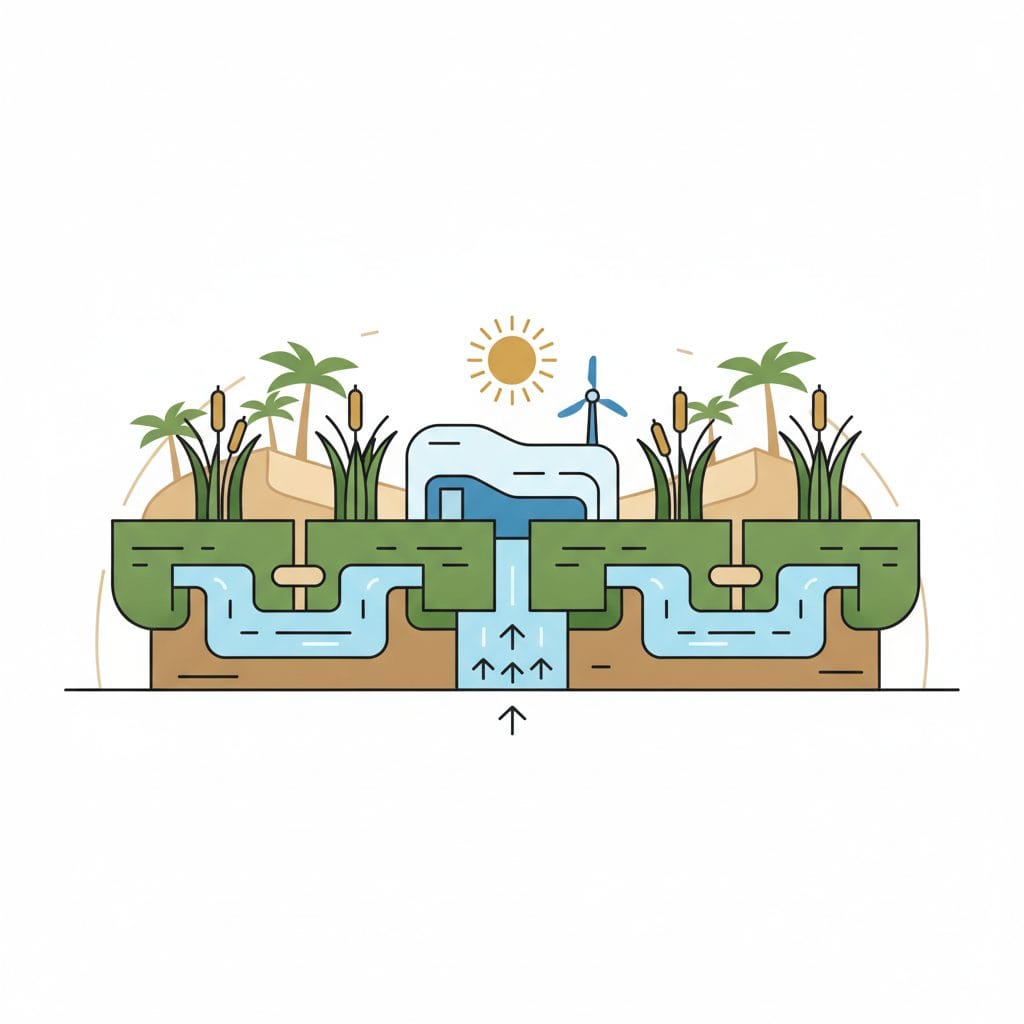
Constructed Wetlands Treat Wastewater with Little Energy and Maintenance
In Iraq, in the Thi Qar governorate, a five-hectare pilot constructed wetland project treats wastewater and benefits more than 30,000 people. The United Nations Environment Programme presents this nature-based infrastructure as a multifunctional solution, potentially less costly and complementary or

Book Review. "That Book Is Dangerous!" by Adam Szetela: Digital Crowds Shrink Publishing Freedom Without Resorting to Law
Szetela examines the pressures that orient editorial choices before publication. Adam Szetela builds his argument on this premise: contemporary censorship no longer needs the State to exercise itself. In That Book Is Dangerous!, first published on August 12, 2025 by MIT Press and reissued in paper

Growth Depends Less on Birth Rates Than on Women's Work
The MENAAP region, which includes the Middle East, North Africa, Afghanistan, and Pakistan, has among the world's lowest rates of female labor market participation: roughly one woman of working age out of five, with demographic transition still incomplete and highly heterogeneous across countries. T

Making Climate Adaptation a Protection Policy
Europe is warming twice as fast as the global average. Thirty-two member countries of the European Environment Agency now have a national climate adaptation policy: the 27 EU member states, Iceland, Liechtenstein, Norway, Switzerland, and Türkiye. However, the EEA Report 03/2026, published on June 1

Shifting Electricity Consumption Rather Than Building Power Plants
Electricity cannot be easily stored, and the networks that transport it obey a simple rule: supply and demand must balance at every moment. The International Energy Agency estimates that approximately 100 GW of demand response is currently used worldwide, while flexibility needs could be multiplied

The Benefits of Remote Work Require a Change in Management
INSEE has quantified what many suspected without daring to assert. In France, a 10-point increase in the share of remote workers is associated with productivity growth of 0.7 to 1 point between 2019 and 2022, depending on the intensity of remote work observed in April 2022. Published on May 19, 2026

Climate Shocks Destroy Far More Than We Can Rebuild
A cyclone passes, buildings are reconstructed, children return to school, and yet something doesn't always come back. A study by the Asian Development Bank covering seven Asian countries establishes that exposure to disasters during the first 1,000 days from conception is associated with lasting eff

Book Review: Reboot: AI and the Race to Save Democracy by Beth Simone Noveck: Digital Participation Matters When Institutions Share Decision-Making Power
Digital citizen participation tools have proliferated over the past ten years. They do not always deliver on their promises. In Reboot: AI and the Race to Save Democracy, Beth Simone Noveck argues that AI can help connect public knowledge, deliberation, and institutional action, under certain cond

Book Review: The Information Animal by Alicia Wanless: Open Standards as a Response to the Concentration of Informational Power
The printing press made knowledge accessible and triggered a century of religious wars. Radio brought continents closer together and served as a megaphone for totalitarianisms. The internet connected billions of minds while entrusting a significant share of that connection to a few large companies.

The State Can Cost Less and Serve Better
France devotes 57.2% of its GDP to public spending in 2025, second in the European Union, with a deficit exceeding 5% and debt standing at 115.6% of GDP at the end of 2025 (annual data Eurostat/INSEE), before reaching 117.5% at the end of March 2026 (quarterly data INSEE). Yet its health and educati
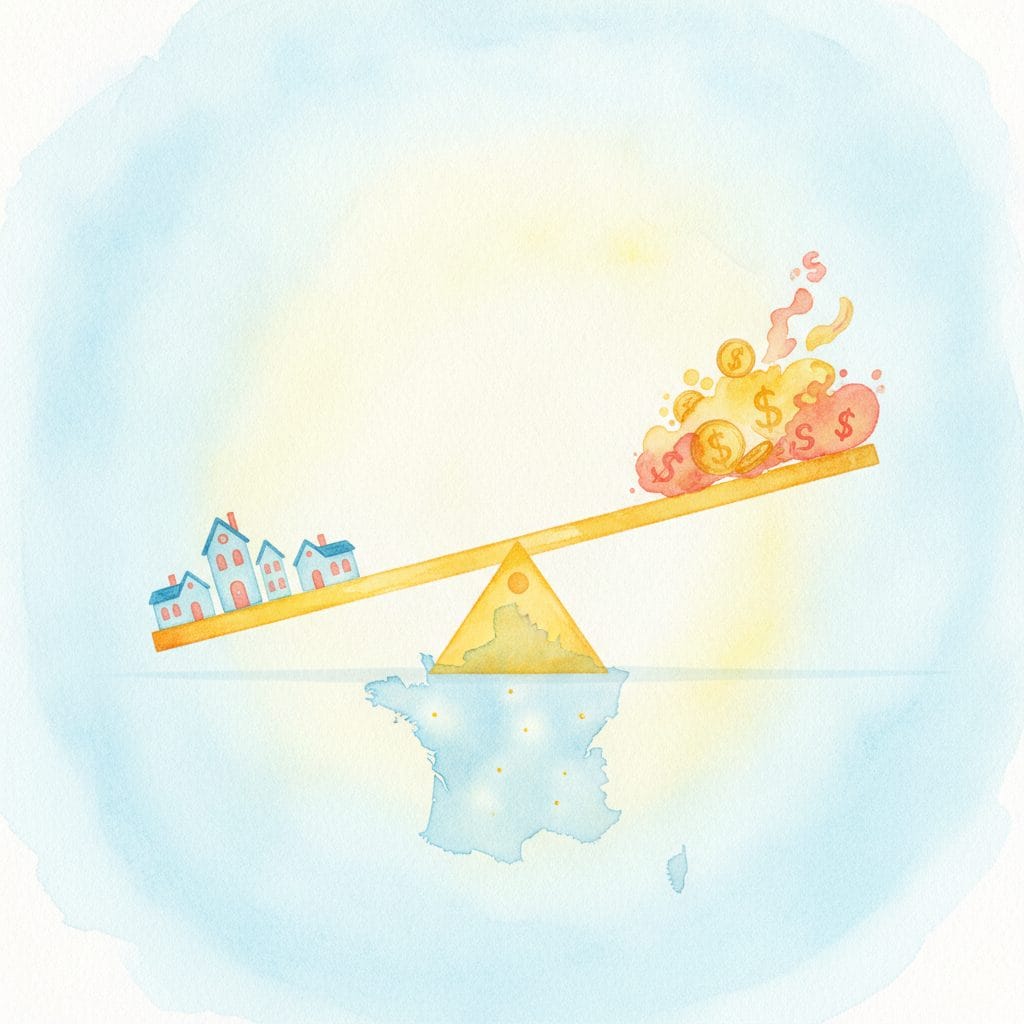
Spending More Per Student Does Not Reduce School Inequalities
France spends more in absolute terms than some of its European neighbors, but its relative position depends heavily on the indicator chosen, and it remains below the OECD average for the share of total public spending devoted to education. According to the national DEPP indicator, France devotes 6.8

Naming the Budgetary Trajectory is a Political Act
Four economists have just published what French administrations have rarely produced officially: a projection of public finances under unchanged policy, without political embellishment. The result is unambiguous: at constant trajectory, the deficit would reach 6.8% of GDP in 2030 and debt would exce

AI Amplifies the Inequalities It Promised to Erase
Statistics Canada published in June 2026 a national profile of workers who use artificial intelligence, based on the new Canadian Survey of Working Conditions. Its results draw a map of access inequalities rather than a homogeneous transformation of work. The tool is currently amplifying existing hi

Culture Repairs What War Erases
Thirty million children are not attending school in Arab states. In territories affected by conflict, artists, teachers, and community organizations are attempting to rebuild what bombs have destroyed: not only buildings, but routines, shared narratives, an idea of the future. These programs work, b

Digital Surveillance Progresses Quietly and Quickly in Europe
In ten days of July 2026, the European Union made surveillance cameras mandatory in every new car and reinstated the scanning of private messages, two measures that its own institutions had fought against. Europe is today the democratic space best equipped on paper against mass surveillance—GDPR, AI