english

Elections Without Tangible Results Pave the Way for Illiberal Regimes
Between 2016 and 2024, trust in Latin American electoral authorities rose from 32% to 34%. Latinobarómetro also recorded 47% in 2006, but for a different question about the electoral court. The formal institutions did not disappear. This figure points to a mechanism more worrying than classical elec

What Democracy Can Function Without a Capable State?
Humanoids are being deployed on assembly lines, while robots currently documented in food service are mostly service or delivery robots, not necessarily humanoid. According to RCSV, trained teleoperators in India, the Philippines, and Eastern Europe are paid between 22 and 55 dollars per hour for da

What Do Sports Wearables Do With Your Data?
Approximately 36% to 44% of adults own wearable technology, according to the ACSM. For its 20th edition, the ACSM ranks wearables first among fitness trends in 2026. Where collected data goes and who has access to it remain the central points of debate. According to the ACSM, approximately 36% to 44

Emerging Countries Have Ten Years to Avoid Polarization by Robots
An econometric study covering 63 countries between 2005 and 2021 establishes that a 1% increase in new robot installations per 10,000 workers is associated with a 0.037% to 0.039% decline in unemployment. The study estimates an average association between robot installations and unemployment, withou

Asian Ports Saturated: 8.5% of Global Fleet Idle Until 2027
Since September 2026, Asian ports have been holding a significant number of containers. This bottleneck affects a substantial portion of the global container ship fleet, with significant waiting times, and Freightos reported chronic congestion and delays in September 2026. Facing this immobilization

Real Estate Inheritance Explains 35% of Wealth Gaps Among Thirty-Somethings
In the United Kingdom, children of homeowners access property ownership twice as often as children of renters. A study by the US Census Bureau confirms that less than half of intergenerational wealth persistence flows through children's income: a significant portion is associated with lifetime earni
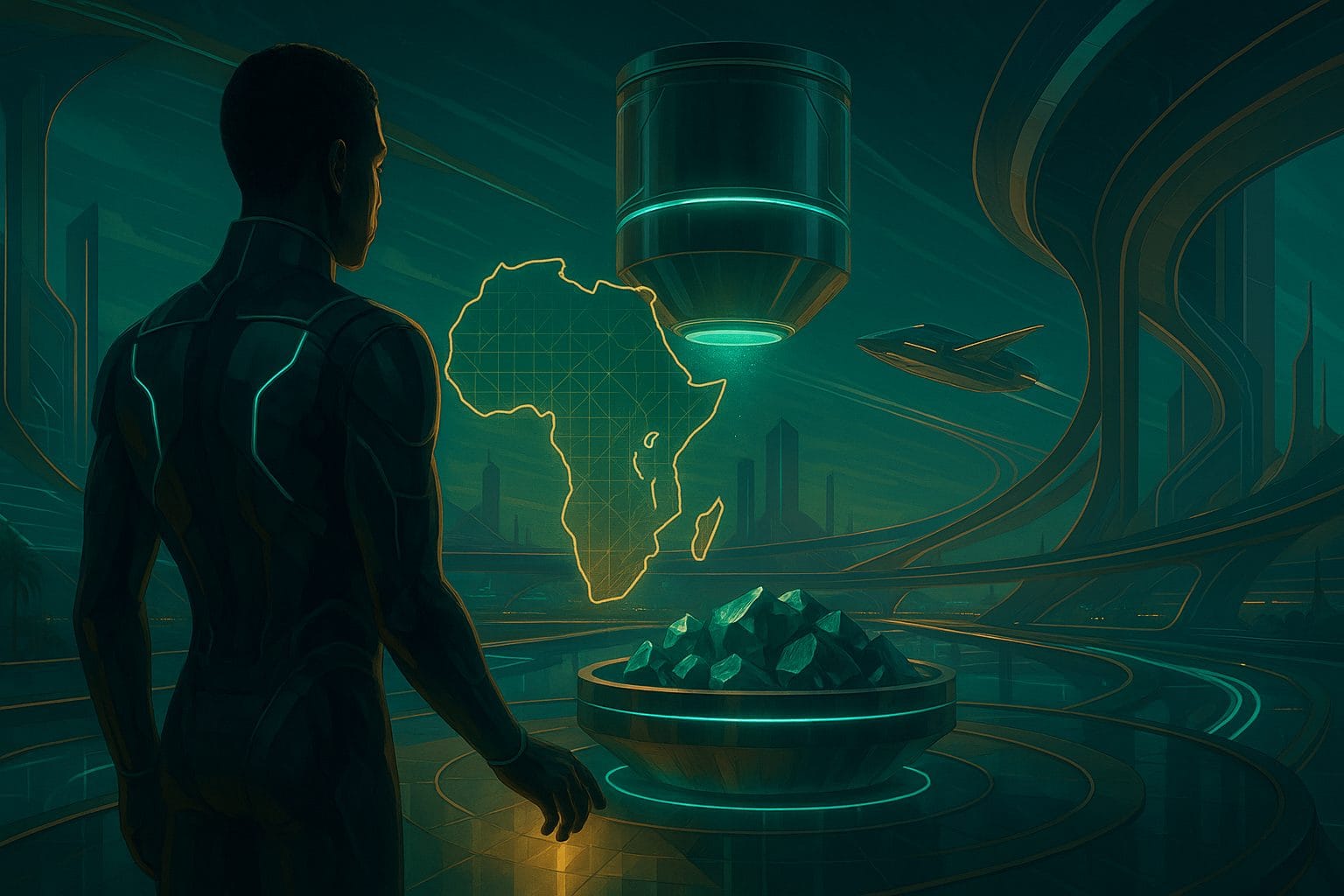
Africa Produces 70% of Global Cobalt but Lets Added Value Slip Away
The Democratic Republic of the Congo extracts two-thirds of the cobalt the world consumes, and the value captured per ton of this metal remains far below what is generated by the factory that transforms it into a battery. Transformation can significantly increase locally captured value, without extr
Book Review. "World Inequality Report 2026" by Lucas Chancel and Co-authors
The World Inequality Report 2026, coordinated by Lucas Chancel and his colleagues at the World Inequality Lab, argues that inequalities do not result from inevitability but from political and institutional choices. Early sectoral data on AI adoption offers elements for examining this question in t

Renewables in the Middle East: More Local Solar, More Gas for Export
According to Dii Desert Energy, operational renewable capacity in MENA reached 43.7 GW by end-2025, after an annual increase of 13.4 GW compared to 2024. This expansion can support various hydrocarbon export trajectories depending on the policies applied. Solar can reduce fossil fuel consumption whe

Deliberating Without Deciding: When Consultation Breeds Mistrust?
Fifty-three percent of French people would be willing to replace the Senate with an assembly chosen by lottery, and yet 32% of respondents judge that the government's adoption of proposals from the Citizens' Convention on Climate is a clear failure. The figure of 53% comes from DeCoDe, a survey cond

French Education Opens Its Doors but Sustains Inequality
France has massively expanded access to higher education over the past twenty-five years. Inequalities rooted in family background remain strong. According to OECD Education at a Glance 2025, 75% of 25-34 year-olds with at least one parent who holds a higher education diploma are themselves higher e

Al Jazeera and the Louvre Abu Dhabi Face Chinese Billions
The United Arab Emirates finishes tenth in the Brand Finance Soft Power Index 2025, Saudi Arabia twentieth, Qatar twenty-second—remarkable positions for states that did not exist as cultural powers thirty years ago. Yet China presents infrastructure and non-interference as principles of its cooperat

AI in SMEs: 44% Claim to Adopt It, 12% Actually Use It
In Australia, the gap between what SMEs announce and what they do measures something more significant than their technological lag. The Australian Bureau of Statistics reports that 12% of employing businesses declared using AI in 2024-25; the survey measures neither the intensity nor the operational

Ecological Restoration in Asia: Less Than 1% of Annual Degradation
In 2025, China launched a massive restoration program for the Yangtze River and Indonesia expanded formal protection of marine areas through new marine protected areas. These figures are real and documented, but insufficient. Protected areas cover a portion of land and inland waters, but remain inad

Cobalt, Lithium: Africa Supplies, China Refines
The Democratic Republic of Congo produces 70% of the world's cobalt and exports mostly minimally processed cobalt, generally after an initial treatment stage. The global energy transition has been built on African minerals, but value creation happens elsewhere. With China handling roughly 60 to 70%
Pandemic Prevention in Europe: The Tools Exist, Governance Is Missing
European wastewater surveillance remains unevenly integrated, but it has been strengthened by new frameworks and obligations since the pandemic. According to the Abbott Pandemic Defense Coalition, many epidemiologists anticipate a major health crisis in the coming years. A growing number of European

European Social Innovation Falling Short on Results
Portugal Inovação Social mobilized 152 million euros, approved 698 projects, and brought together 848 coinvestors over ten years, though an independent interim evaluation published in 2022 identified limitations stemming from the execution stage available at that time. The European Commission counts
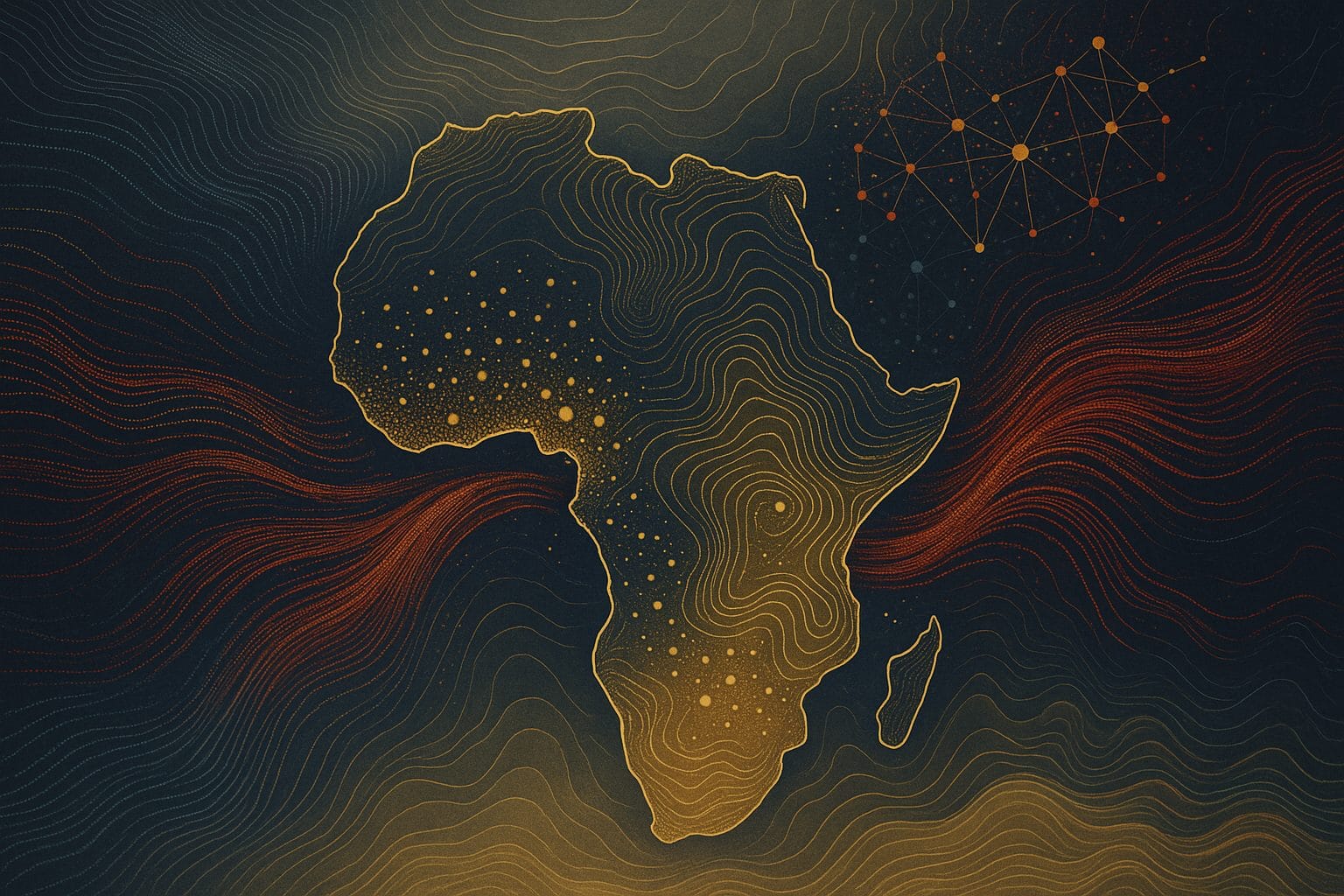
80% of African Think Tanks Depend on Foreign Funders
Seven out of ten responding organizations provide advisory services to their governments on public policy. Agendas are influenced by decision-makers, public bodies, public policy needs, and funding availability. The 2026 On Think Tanks survey covering fifty organizations from sub-Saharan Africa reve
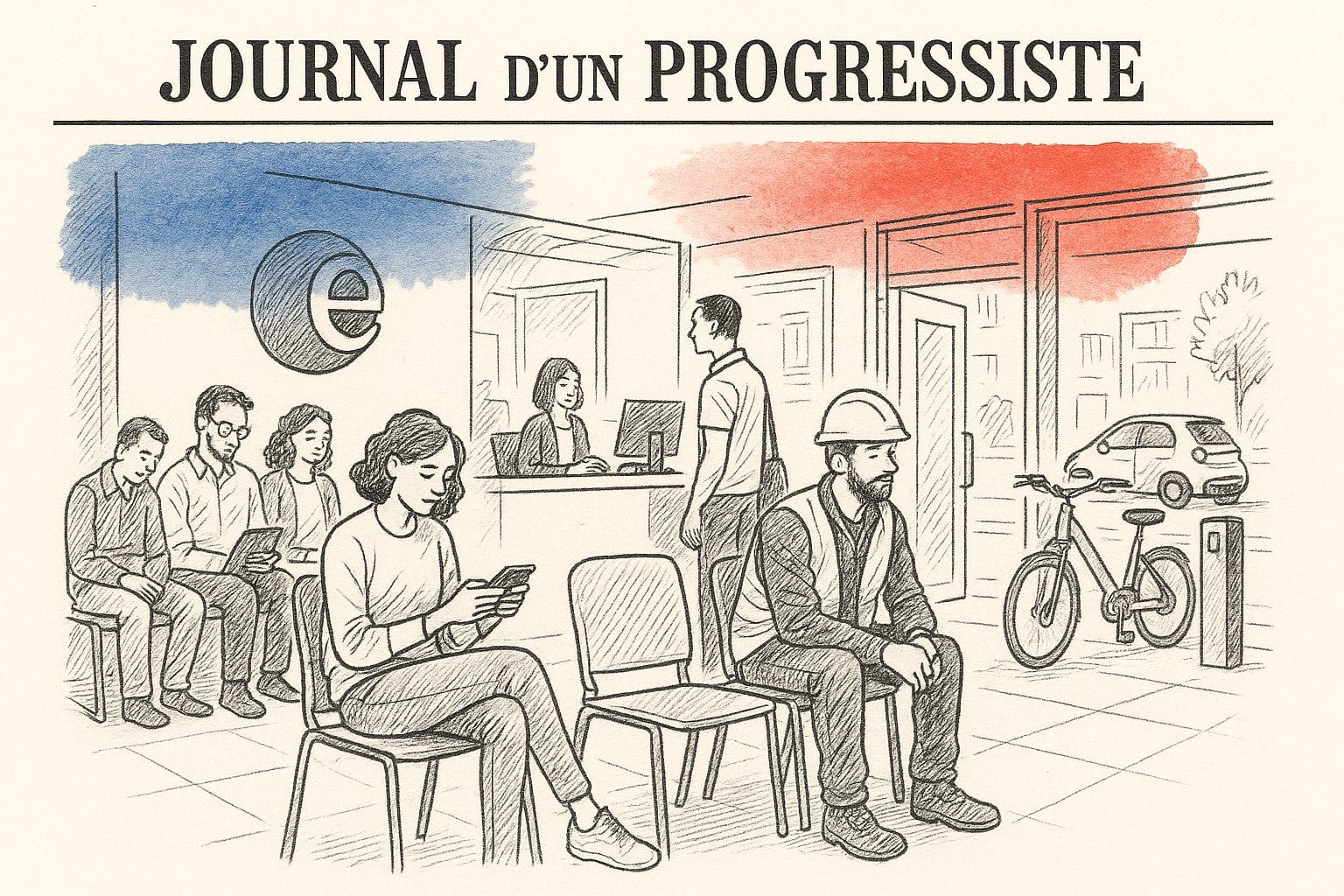
Graduates Sidelined, Skills Massively Underutilized
In 2024, 7.6 million immigrants live in France outside Mayotte, representing 11.2% of the population [1]. France remains one of the wealthy countries where the professional integration of immigrants fails most systematically. The 2027 decision point is whether the country will finally establish an i

Solar: Producing It Is One Thing, Getting It to Where It's Needed Is Another
In the first half of 2026, Germany curtailed a significant amount of renewable electricity because it lacked transmission lines to carry it, even as the country displayed 128 GWp of installed solar capacity and added 16.4 GW of solar in 2025; the 2030 target implies roughly 19.6 GW per year on avera

The Pentagon is Financing American Microreactors at an Accelerated Pace
The Army has selected five suppliers and aims to deploy at least one first microreactor at a military installation by September 30, 2028. Contracts could total up to approximately $2.2 billion over FY2027-FY2031, subject to milestone payments. The Department of Defense is imposing an accelerated sch

Ecosystem Restoration, Carbon, and Whisky: The Importance of Peatlands
Peatlands sequester carbon more efficiently than other ecosystems. In 2023, France devoted 3.8 billion euros to the protection of biodiversity and landscapes, of which 0.8 billion euros went to the rehabilitation of aquatic habitats. The IUCN identified measures producing co-benefits for carbon and
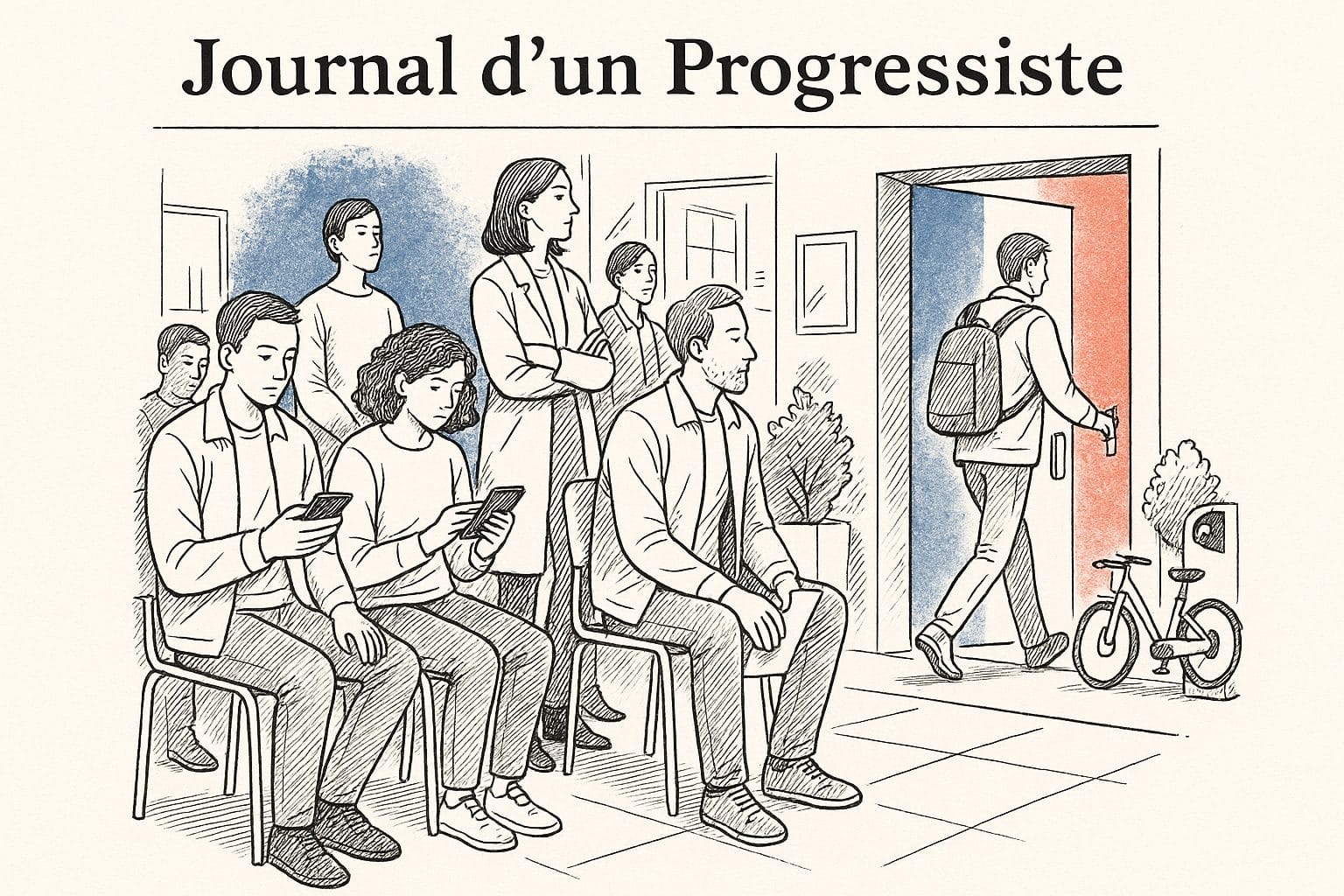
French Democracy Is Emptying Out in Silence
In January 2026, 78% of French people say they have no confidence in politics [1]. This is no longer merely the anger of the precarious or excluded. The middle classes and senior managers now display levels of distrust that no one would have predicted ten years ago. The mechanism that produces this
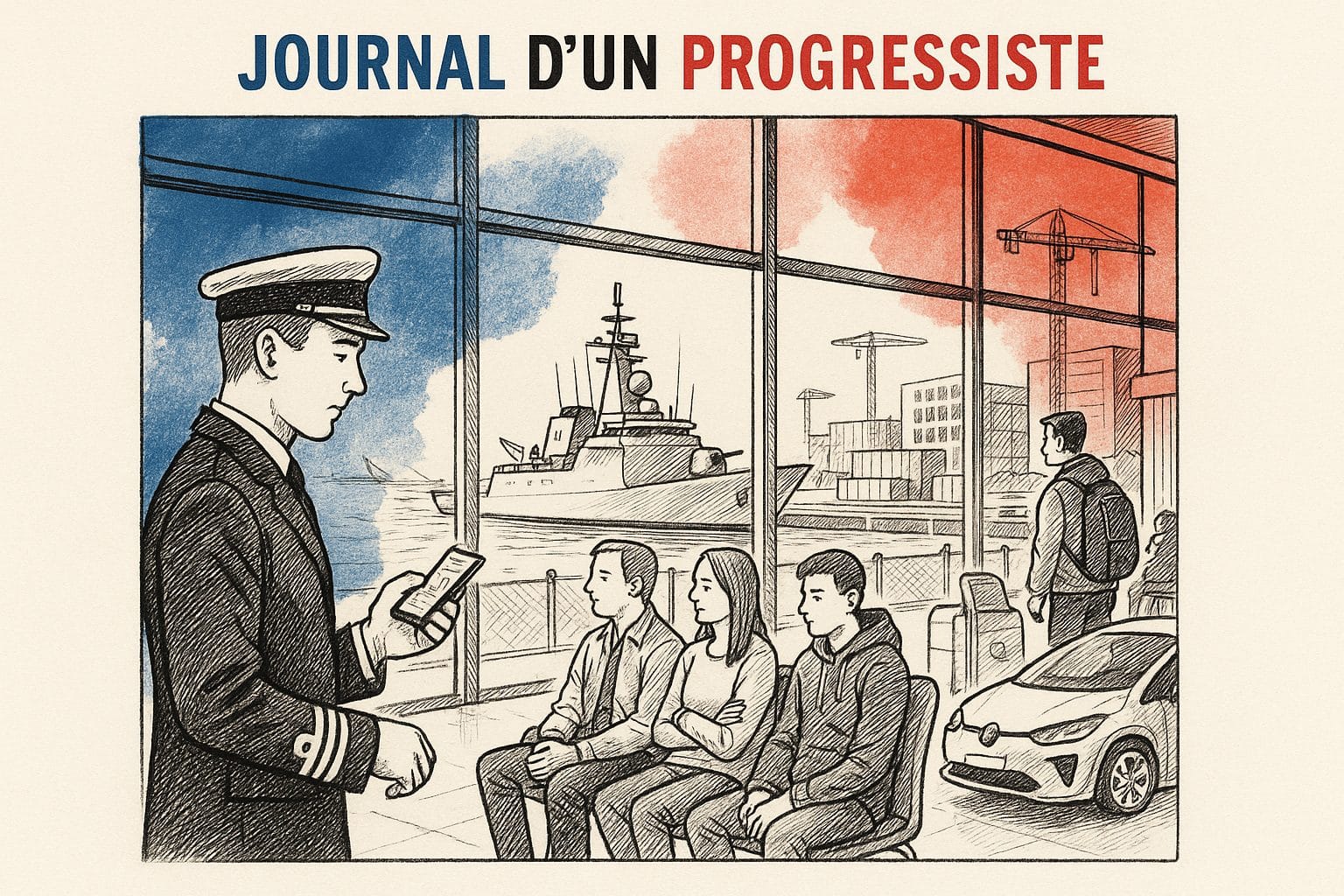
The Fleet Is Ready, the Arsenal Is Not
At the NATO summit in The Hague in June 2025, the allies committed to devoting 5% of GDP annually to defense and security. For France, this means tripling the effort in less than two decades. The money will flow in. The structure that allows it to be spent usefully—or uselessly—remains to be built,