english

When African Wildlife Populations Contradict the Global Ecological Collapse Narrative
Sub-Saharan Africa has seen its human population surge 3.5 times in fifty years, the fastest demographic growth rate of all continents. According to NASA, 80% of the world's lands are impacted by human activity. Yet the populations of large mammals in African savannas are proving more resilient to h

Poor Countries Organize Their Club of Debtors Against Northern Creditors
741 billion dollars. This is the net amount that developing countries transferred to their creditors in excess of new financing they received between 2022 and 2024. For the first time in fifty years, international aid is reversing: the poorest countries are financing the richest. Faced with this fin

War Returns to Economic Calculation and Weighs on Vulnerable Countries
The International Monetary Fund is abandoning its models of perpetual peace. For the first time since 1945, the Washington-based institution has integrated a "prolonged conflict scenario" into its global economic forecasts, revising growth to 3.1% (-0.2 percentage points) for 2026. This methodologic
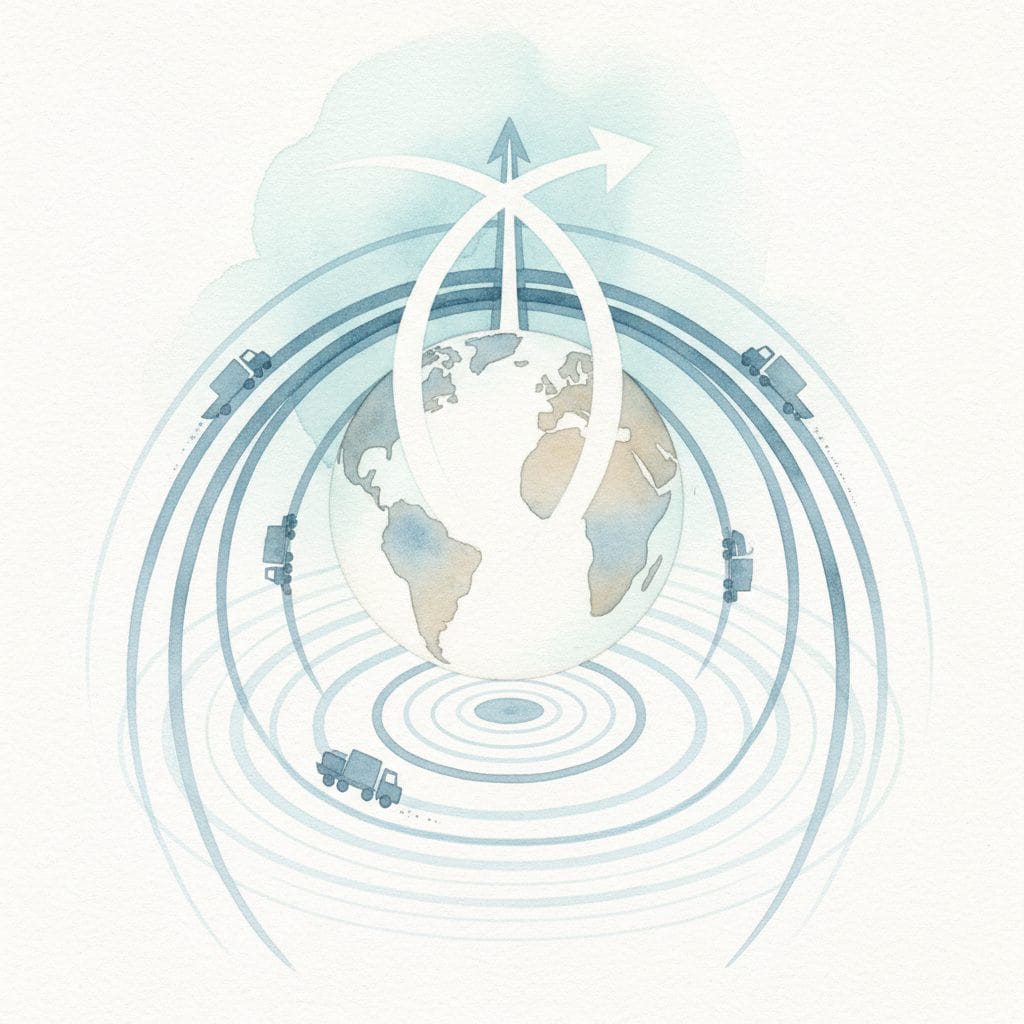
Automotive and Maritime Freight Enter Their Great Regional Turn Under Joint Pressure from Tariffs and Carbon
Despite a tripling of American industrial investments over four years, manufacturing capacity has advanced only 1.5%. Conversely, Europe's Mediterranean zone is exploding: Egypt surges by 52%, Morocco by 38%, bringing European nearshoring to a record 14% of sourcing. This divergence reveals two oppo

University Loses Its Redistributive Power Just as It Finally Becomes Accessible
A 45% gap persists between first-generation university graduates and those from university-educated families in reaching the top income quintile. This social fracture runs through 20 OECD countries despite three decades of university mass expansion. Universities face their greatest paradox: just as

Extreme Poverty Stops Declining for the First Time in Thirty-Five Years
847 million people still live on less than $2.15 per day in 2024. This figure marks the end of an era: global extreme poverty continues to decline but at a much slower pace, with temporary stagnation in 2020 due to COVID-19. The number of people in extreme destitution is now advancing very slowly, i

Saudi Withdrawal from LIV Golf Reveals the Limits of Sportswashing by Proxy
5.3 billion dollars squandered in four years, 600 million in annual losses, and finally a quiet withdrawal: Saudi Arabia's Public Investment Fund is abandoning LIV Golf by the end of 2026. This financial capitulation raises questions about the real effectiveness of sportswashing as a geopolitical to

Why Do Worker Cooperatives Remain Marginal Despite Their Proven Superiority?
Never more than 4% of private sector jobs in any country worldwide. This is the invisible ceiling that has limited worker cooperatives since their emergence in the 19th century. Yet the data converge: once established, these enterprises equal or exceed conventional companies in productivity and surv
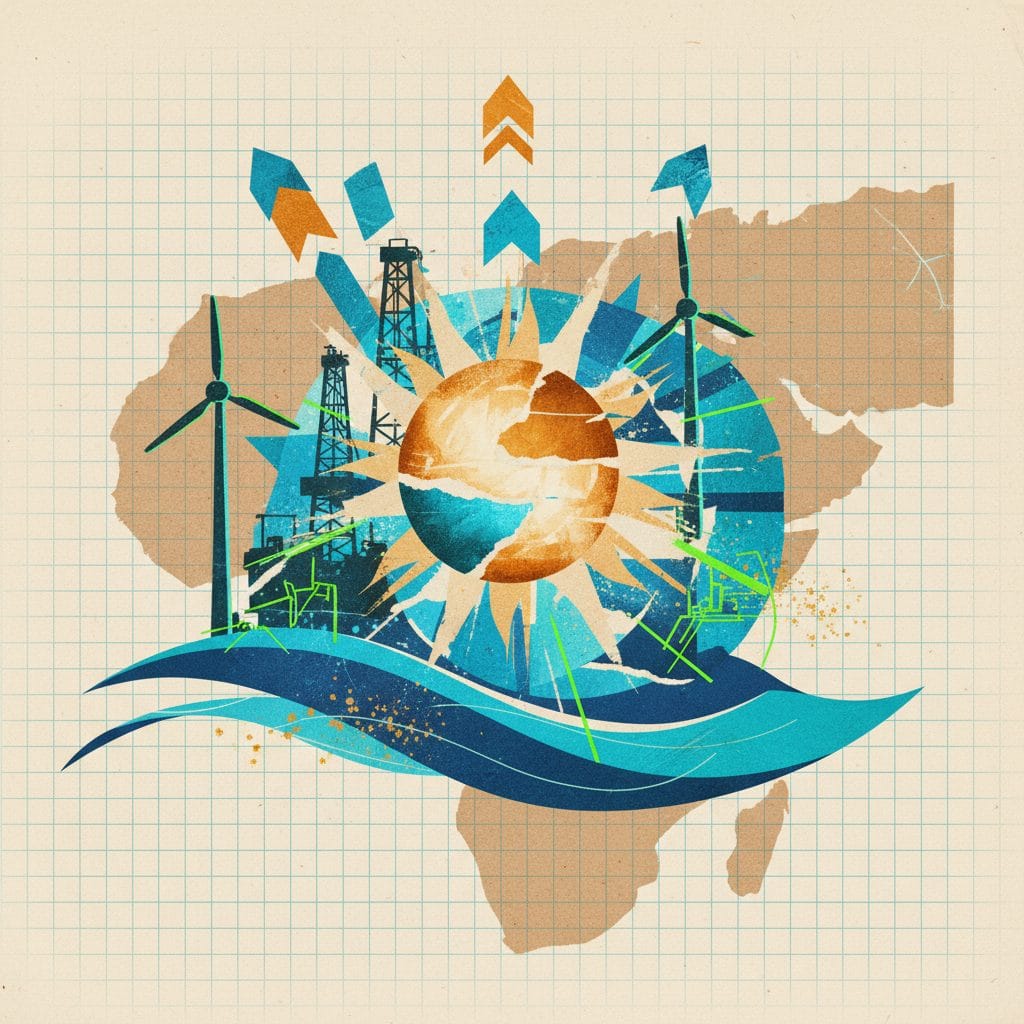
The United Arab Emirates Enter the Post-OPEC Era with Sovereign Energy Ambitions
4.85 million barrels per day of production capacity versus 3.22 million authorized by OPEC quotas. This difference of 1.6 million barrels, representing over 200 million dollars in daily lost revenues at 110 dollars per barrel, has just pushed the United Arab Emirates to cross the energy Rubicon. On

Europe Demonstrates Resilience Against New Energy Shocks
0.1% growth in the first quarter of 2026. Faced with geopolitical turbulence and soaring energy prices caused by the Iranian conflict, Europe displays economic resistance that surprises analysts. While the United States records 2.0% quarterly growth, the eurozone limits the damage and demonstrates t
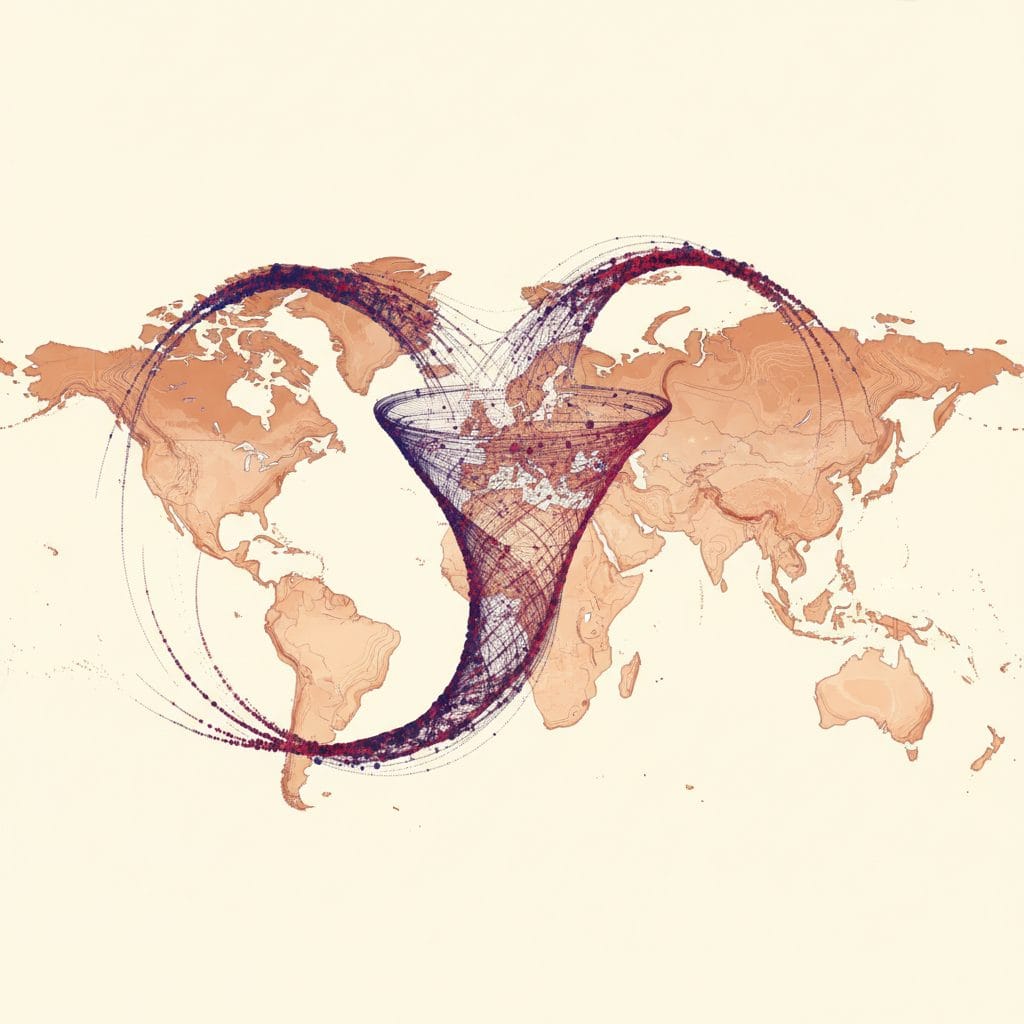
Growth: A Reckoning by Daniel Susskind — Can Growth Be Redirected Without Breaking It?
Daniel Susskind has never shied away from the great economic questions of his time. After theorizing a world without work in A World Without Work, this Oxford economist is now tackling the most political challenge of our era: can growth be maintained while respecting planetary boundaries? His answ

The American Economy Absorbs the Tariff Shock Without Collapsing
2.0% growth in the first quarter of 2026. This figure stands in stark contrast to the catastrophist predictions that accompanied the intensification of the trade war waged by the Trump administration. As tariffs have reached unprecedented levels since the 1930s, the American economy is demonstrating

Sports AI: Greater Excellence but More Obstacles
The global sports AI market was worth $2.29 billion in 2024 and is expected to reach $18.90 billion by 2033, representing annual growth of 26.4% according to Strategic Revenue Insights. Other projections estimate the market at $5.93 billion USD in 2024, reaching $20.94 billion USD by 2029, confirmin
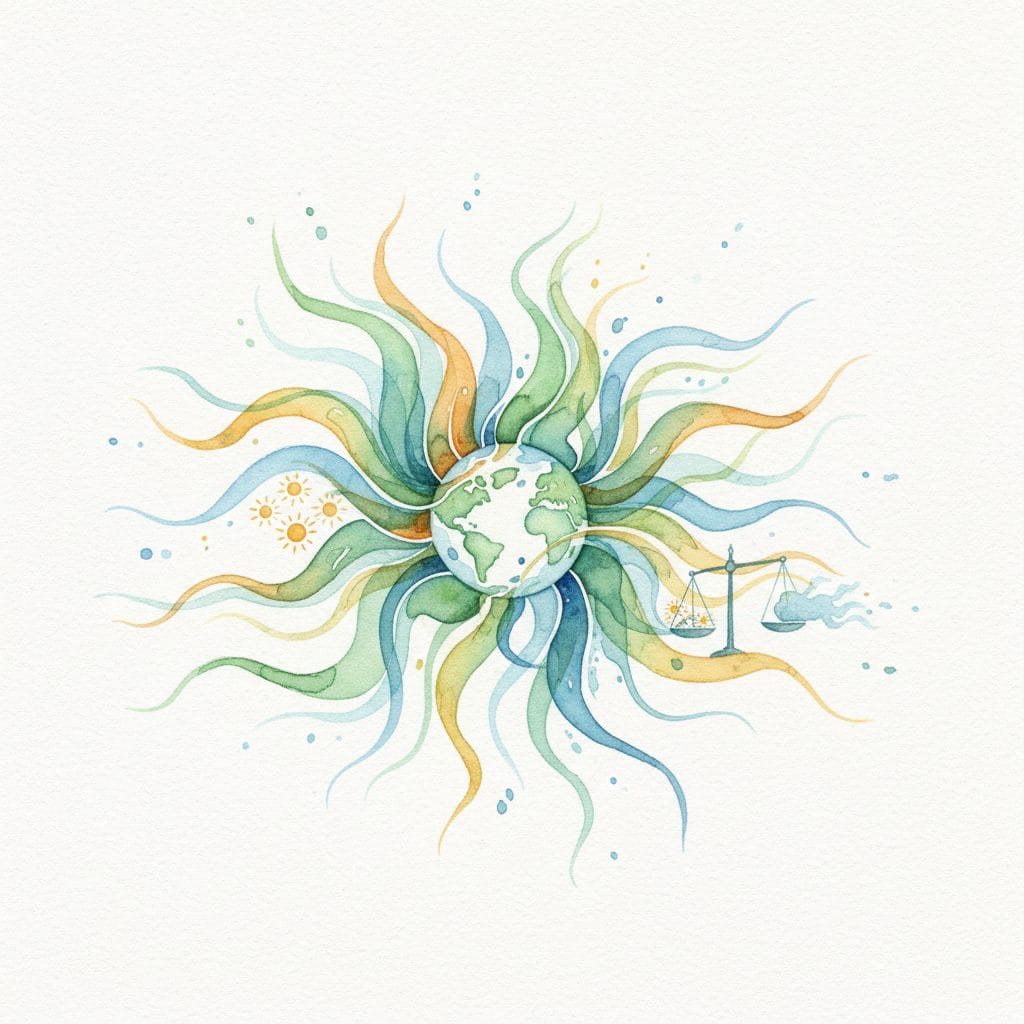
Energy Models Escape the Myopia of Net Zero
Global climate strategies concentrate on the 2050 target, yet 87% of energy projections stop at this deadline. This temporal myopia obscures the challenges of the second half of the century, a period when carbon capture technologies must compensate for decades of accumulated emissions. A new generat

Why Some Adopt AI and Others Reject It According to Their Psychological Profile
70% of obstacles to artificial intelligence adoption in companies are linked to human and organizational factors, compared to only 10% to the algorithms themselves, according to Boston Consulting Group. This data reveals a disturbing truth: resistance to AI doesn't come from machines, but from the d

Autonomous Laboratories Break the Monopoly on Chemical Research
An autonomous chemical synthesis laboratory now costs $5,000 compared to $50,000 previously. This 90% price drop is transforming chemical innovation from a privilege reserved for the best-funded institutions into a tool accessible to modest laboratories worldwide. Professor Timothy Noël's team at th

Teachers Redefine Their Profession with Generative AI Rather Than Suffer Its Impact
41% of OECD teachers use generative AI in their daily work. This proportion masks significant disparities: 75% in Singapore versus only 14% in France. These figures reveal less a technological revolution than a major pedagogical transformation that only the most agile educational systems manage to o
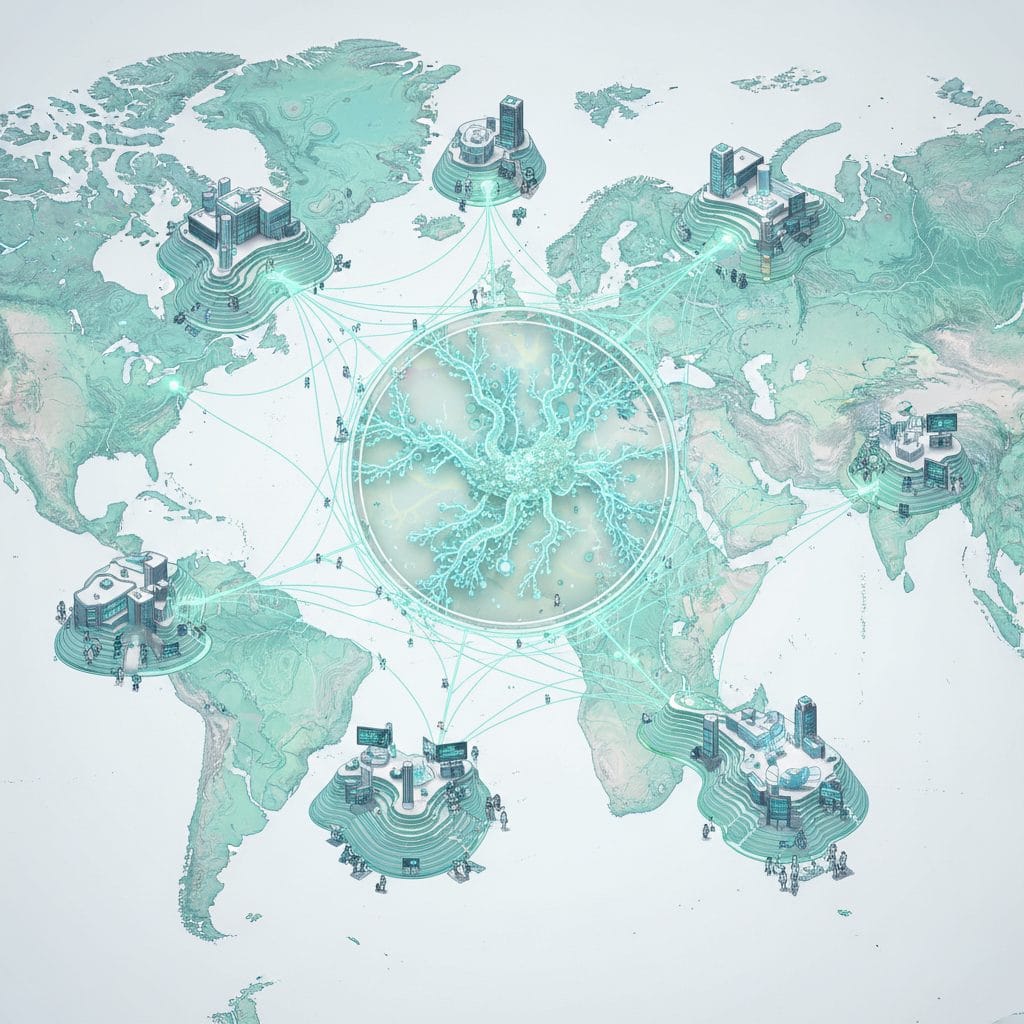
The WHO Tests Global Cooperation Against Bacterial Pandemics
600 emergency health experts from 26 countries and territories gathered on April 22 and 23 for Exercise Polaris II, a two-day simulation centered on an epidemic of a fictional bacterium spreading worldwide. This exercise reveals a shift in global health preparedness: following the failures of Covid-

Australia Enacts First Total Ban on Genetic Discrimination and Inspires a Global Model
Australia has just adopted the world's most protective legislation against genetic discrimination. On April 1, 2026, the Australian Parliament voted to completely ban life insurers from using adverse genetic test results to refuse or limit life insurance coverage. This decision places Australia in t

Truth Collapsing: Iran Deploys Deepfake Campaigns at Industrial Scale
Iran has mobilized tens of thousands of fake accounts to distribute deepfakes depicting its victory over Israel and the United States. In less than two weeks, this campaign orchestrated by the Iranian state reached 145 million views on social media, demonstrating that the cognitive warfare of milita

Europe Reveals Its Pocket Giant Strategy Against US Mega-Fundraising in AI
$1.1 billion. The funding round raised by Ineffable Intelligence marks the largest seed round ever completed in Europe, surpassing even the $1.03 billion raised by Yann LeCun's AMI Labs in March 2026. These figures reveal a new reality: Europe is now attracting top-tier researchers with a technology

Microplastics Contaminate the Human Brain with Alarming Neurological Consequences
Concentrations of microplastics in the human brain increased by 50% between 2016 and 2024, reveals a study from the University of New Mexico published in Nature Medicine. The human brain contains on average a spoonful of microplastics and nanoplastics—seven to thirty times more microplastics than in

China Orders Strict Control of Fossils But Builds More Coal Than Ever
161 gigawatts of new coal power plant projects proposed in 2025: a historical record. Yet fifteen months earlier, the Chinese government promised to "strictly control the consumption of fossil fuels" in a document published symbolically on Earth Day. This contradiction illustrates the complexity of

Milei's Argentina Proves That Macro Stabilization Can Coexist With Social Fatigue
Inflation of 211% in December 2023 has now fallen to 31.5% over the entire year 2025, a reduction by nearly seven. In two years, Javier Milei has transformed a budget deficit of 5% of GDP into a surplus, the first balance of Argentina's public accounts since 2008. Yet 62% of Argentines express a neg