english
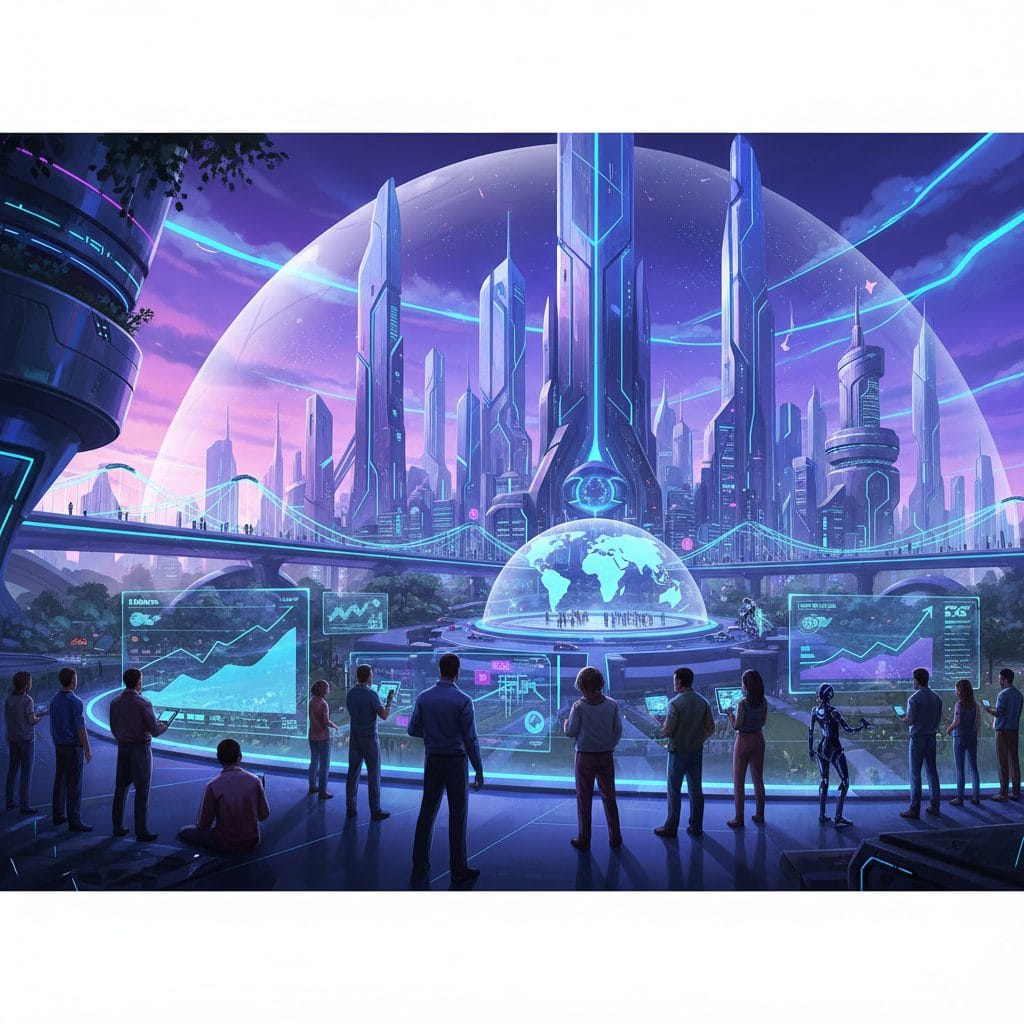
AI Automation Advances in Gradual Waves Rather Than Economic Tsunami
In 2024, sectors most exposed to AI show 10% productivity gains, 3.9% employment growth, and 4.8% wage increases. These figures challenge apocalyptic predictions about massive and immediate automation. AI-driven automation is following a rhythm of "rising tides" rather than "crashing waves," accordi

China Trains 1.5 Million Engineers Per Year, the United States Strikes Back With Its Procedures
Dan Wang documents in "Breakneck: China's Quest to Engineer the Future" how China has become an "engineer state" that applies a jackhammer to all problems, physical and social, while America develops a "lawyer society" that paralyzes almost everything, good and bad, with its judicial hammer. Where t

'Chokepoints' by Edward Fishman — How the United States Transformed the Global Economy into a Geopolitical Weapon
Ravaging an enemy country's economy once required blocking its ports and besieging its cities. Today, it takes only a declaration published online by the American government. In "Chokepoints," Edward Fishman unveils the silent metamorphosis that has transformed the global economy into the geopolitic
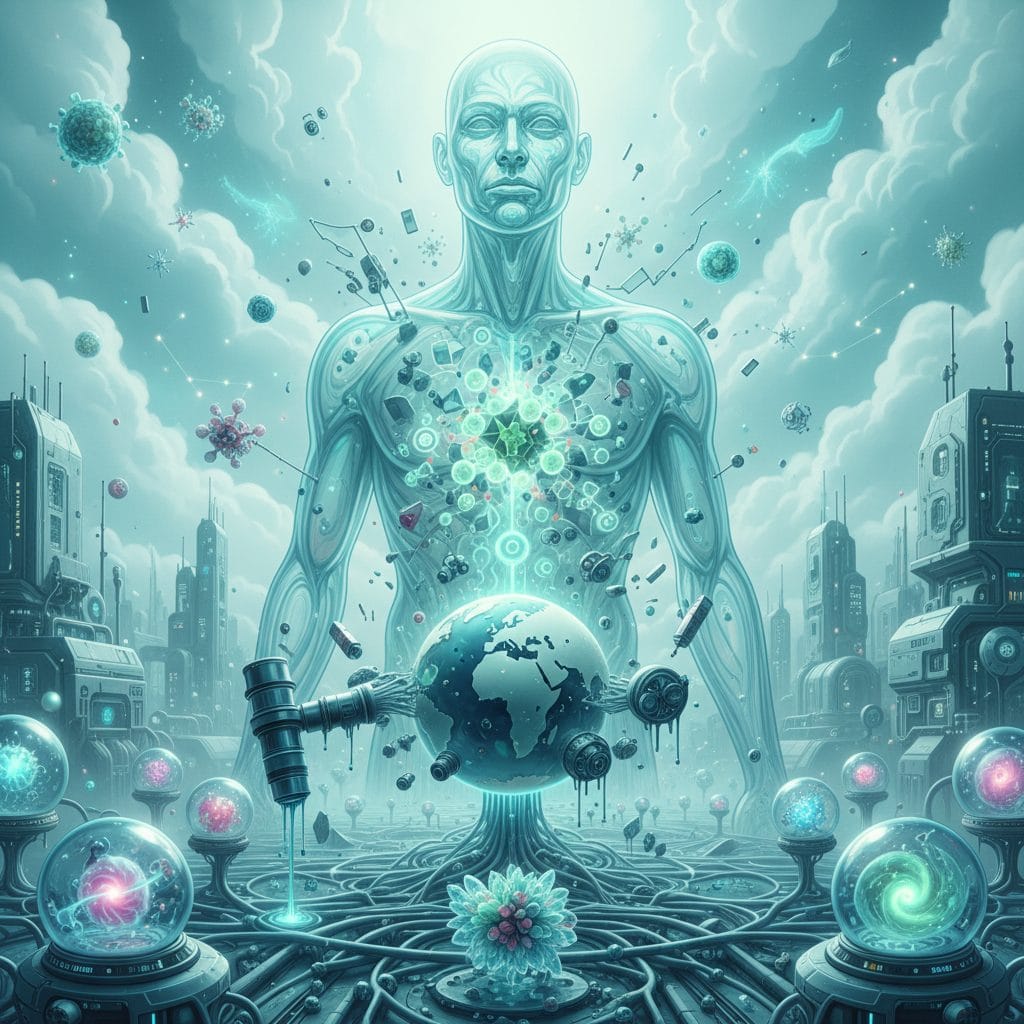
Precision Medicine 2026 Revolutionizes Cancer and Infection Treatment
Eleven precision medicine clinical trials converge in 2026 to transform the management of cancer, infectious diseases, and autoimmune conditions. New tuberculosis vaccines show 50% efficacy, while mRNA-based CAR-T therapies achieve 57% complete remission in patients with myasthenia gravis. This conv

ECB Data Contradicts the Dominant Narrative on AI as a Job Destroyer
European companies that use artificial intelligence intensively have a 4% higher probability of hiring than those that use it occasionally, according to an analysis by the European Central Bank covering 5,000 companies in the eurozone. This empirical reality questions the dominant discourse on autom

Hungarian Elections Test European Democratic Resilience
Five European Union member states are holding parliamentary elections in 2026. At the heart of this crowded electoral calendar, Hungary has just closed one of the most sensitive chapters in recent European history. Viktor Orbán has lost power after sixteen years of rule. The Tisza party, led by Péte

Europe Transforms Ecological Restoration into Territorial Engineering
More than 80% of European habitats are in an unfavorable conservation state. In August 2024, the European Union adopts the nature restoration regulation, a binding law that obliges member states to restore at least 30% of degraded habitats by 2030, 60% by 2040, and 90% by 2050. This legislation tran

Should We Still Make Decisions? French Philosophy Questions Human Autonomy in the Age of AI
Should We Still Make Decisions? The Human Decision in the Age of Artificial Intelligence by Éric Hazan and Olivier Sibony, published by Flammarion in February 2026, marks a turning point in French debate on decisional autonomy. This book arrives at a moment when Europe is refining its rules for AI r

French Redistribution is Faltering and Leaving France More Unequal Than Its European Neighbors
France redistributes more than almost all its neighbors — and yet, for the first time in decades, it has become more unequal than the European average. The 2024 Eurostat figures confirm a shift that few had anticipated: with a Gini coefficient of 30.0, France now exceeds the European Union average (
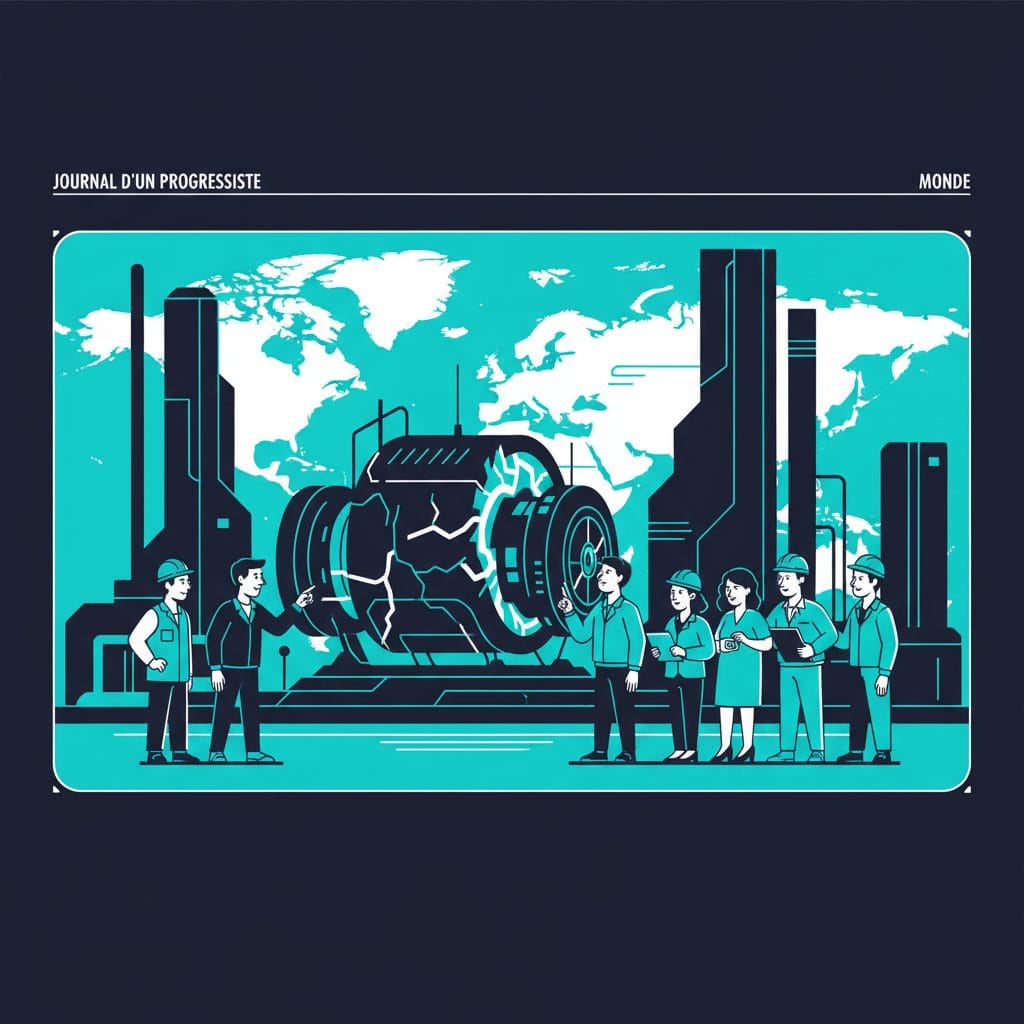
Self-Repairing Materials Could Make Traditional Industrial Maintenance Obsolete
The global market for self-repairing materials reached $2.75 billion in 2024 and is expected to reach $14.91 billion by 2032, with growth of 23.53% per year. This accelerated expansion reveals a silent but major transformation: the convergence of self-repairing materials with the Industrial Internet
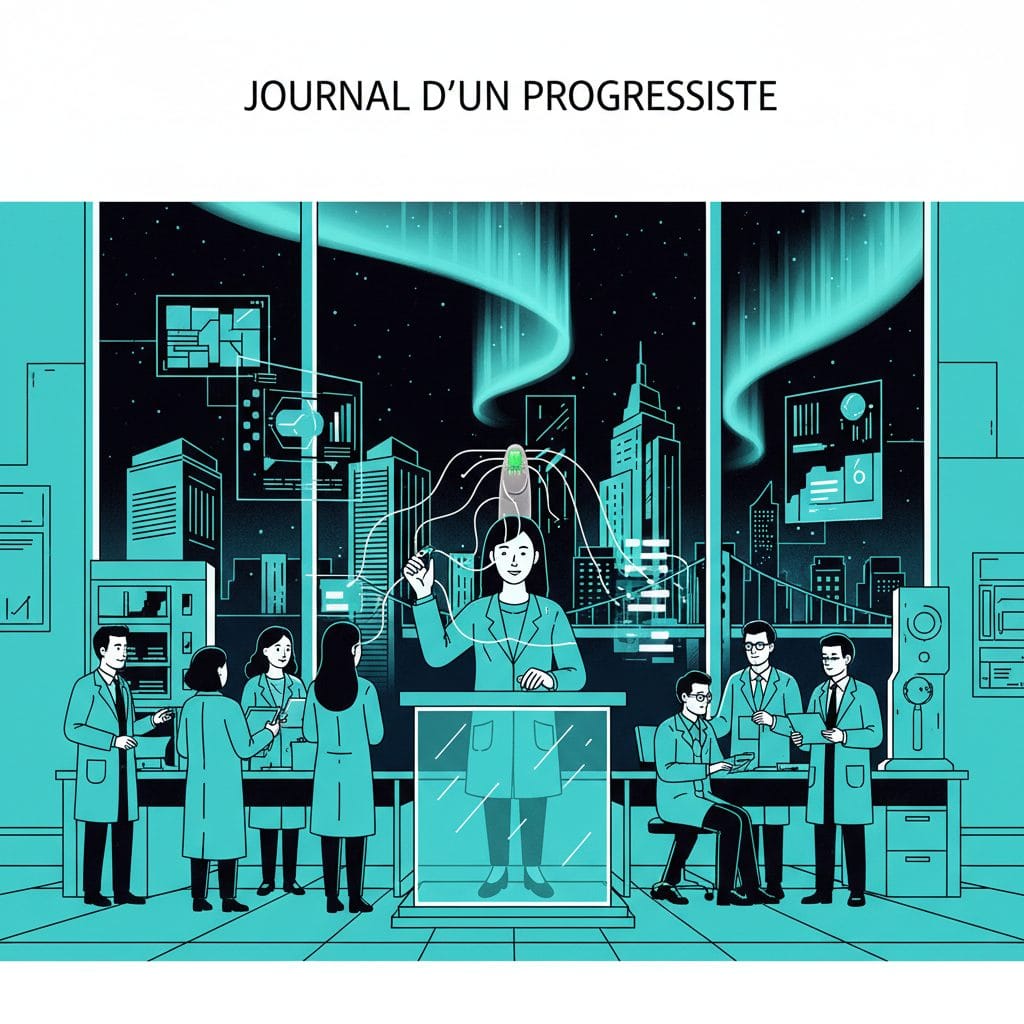
Quantum Technology Leaves the Laboratory Thanks to a Photonic Chip That Fits on a Fingernail
50 chips the size of a fingernail each contain 10,000 photonic circuits on a silicon wafer the size of a coaster. This feat by NIST resolves the main bottleneck that confined quantum computers and atomic clocks to laboratories: high-quality lasers exist only in a few wavelengths, while emerging quan

AI Opens a Path to Breaking Free from Chinese Rare Earths in Electric Vehicles
67,573 magnetic compounds catalogued by artificial intelligence, including 25 unprecedented materials that retain their magnetic properties at high temperatures. This breakthrough from the University of New Hampshire tackles the Achilles' heel of electric mobility: dependence on Chinese rare earth e

Turning Methane into Medicine: The Breakthrough That Could Transform Pharmaceutical Chemistry
For the first time, the CiQUS team has synthesized a bioactive compound — dimestrol, a non-steroidal estrogen used in hormone replacement therapy — directly from methane. This feat marks a rupture in the pharmaceutical industry: transforming abundant natural gas into complex molecules without passin
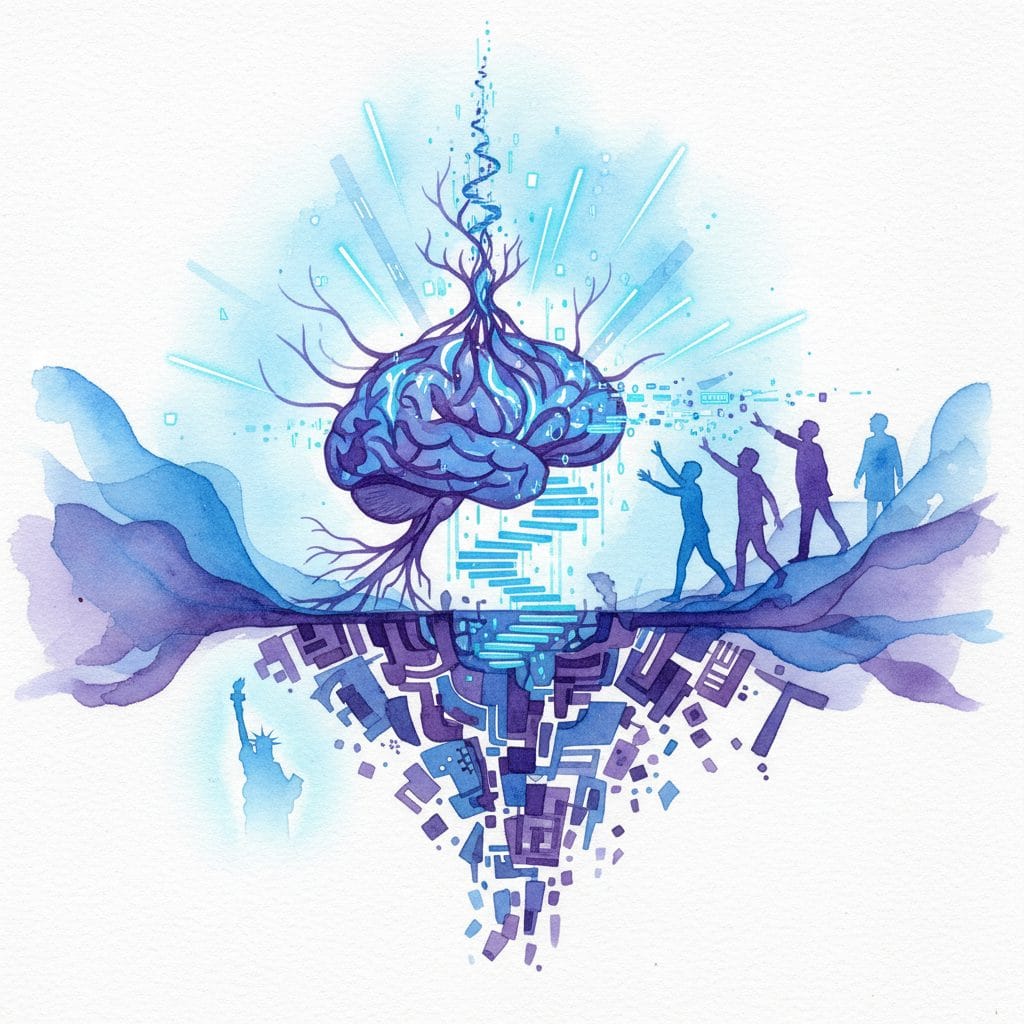
AI Creates a Generational Divide by Devaluing Young Graduates' Codified Knowledge
Employment of developers aged 22 to 25 has fallen by nearly 20% since the end of 2022, while AI now represents 26.9% of code in production and nearly a third of code merged by daily AI users. This divide reveals a paradox: artificial intelligence spares young people from mass unemployment, but disru
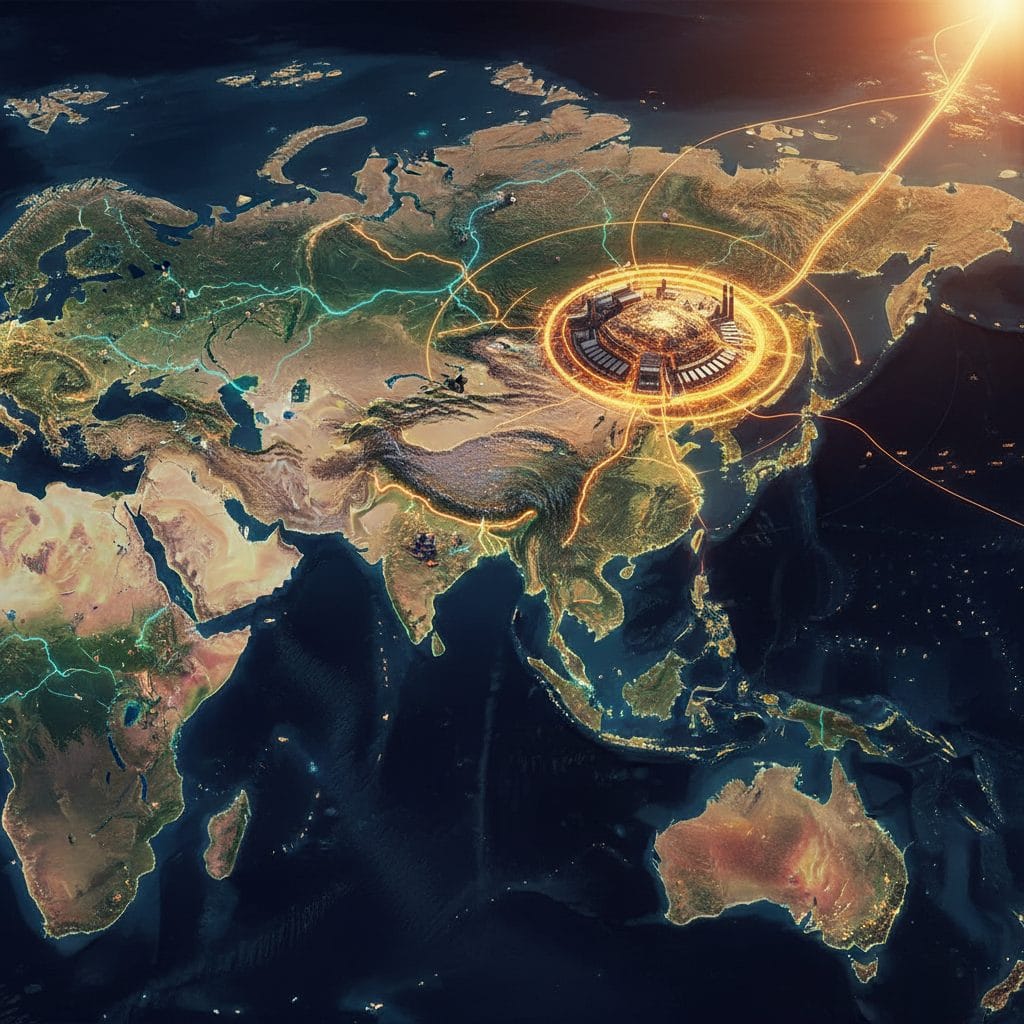
Asia Accelerates Its Energy Transition But Strengthens Its Dependence on China
1,800 gigawatts of renewable capacity expected in Asia-Pacific by end of 2026, compared to 1,400 gigawatts currently. This growth of 29% in two years resists geopolitical tensions and inflation affecting the global economy. Geopolitical tensions have triggered budget reallocations toward defense in

The United States Imposes Its Rules on the Global Stablecoin Market
27.6 trillion dollars in stablecoin transactions in 2024: this volume exceeds by 7.68% the combined total of Visa and Mastercard. A financial mass that is transforming monetary geopolitics. On July 18, 2025, President Trump signs the Guiding and Establishing National Innovation for US Stablecoins Ac

AI Skills Pay More Than a Master's Degree
A salary premium of 23% for mastering artificial intelligence tools. Versus 13% for a master's degree and 8% for a bachelor's degree. This finding from the World Economic Forum, published in February 2026, does not describe a future trend: it measures what is happening right now in the European and

Global Economic Resilience Surprises Amid American Protectionism
In January 2026, the IMF revised its forecasts upward to 3.3%, but in April 2026, it revised them downward to 3.1% due to the Iran-United States war. Nevertheless, this unexpected capacity for adaptation by businesses facing American tariff turbulence testifies to a remarkable resilience in the glob

France Enters Its Post-Baby Boom Demographic Transition
In 2025, the natural balance becomes negative in France for the first time since the end of World War II: it is estimated at -6,000. This shift marks France's entry into a new demographic era. The country thus joins two-thirds of European nations that already record more deaths than births. On Janua

The WHO Structures a Global Response to Restore Confidence in Science
800 scientific institutions from more than 80 countries mobilized by the WHO for World Health Day 2026. This demonstration of institutional strength masks a more complex challenge: converting this mobilization into restored public confidence among populations exhausted by the management of Covid-19.

'Abundance' by Ezra Klein and Derek Thompson — Rich Societies Choose Scarcity
In 1950, the median price of a house represented 2.2 times average American annual income. By 2020, this ratio had reached 6 times, revealing the scale of a paradox: the United States' inability to make progress on ambitious projects related to affordable housing, infrastructure, and climate change.

China Trains 280 Million Students in Artificial Intelligence, the World's Largest Educational Experiment
280 million Chinese students will be trained in artificial intelligence by 2030, equivalent to the total population of the United States. This systemic transformation aims to prepare the workforce for the digital economy but also reveals the funding challenges of rural areas and the geopolitical rac
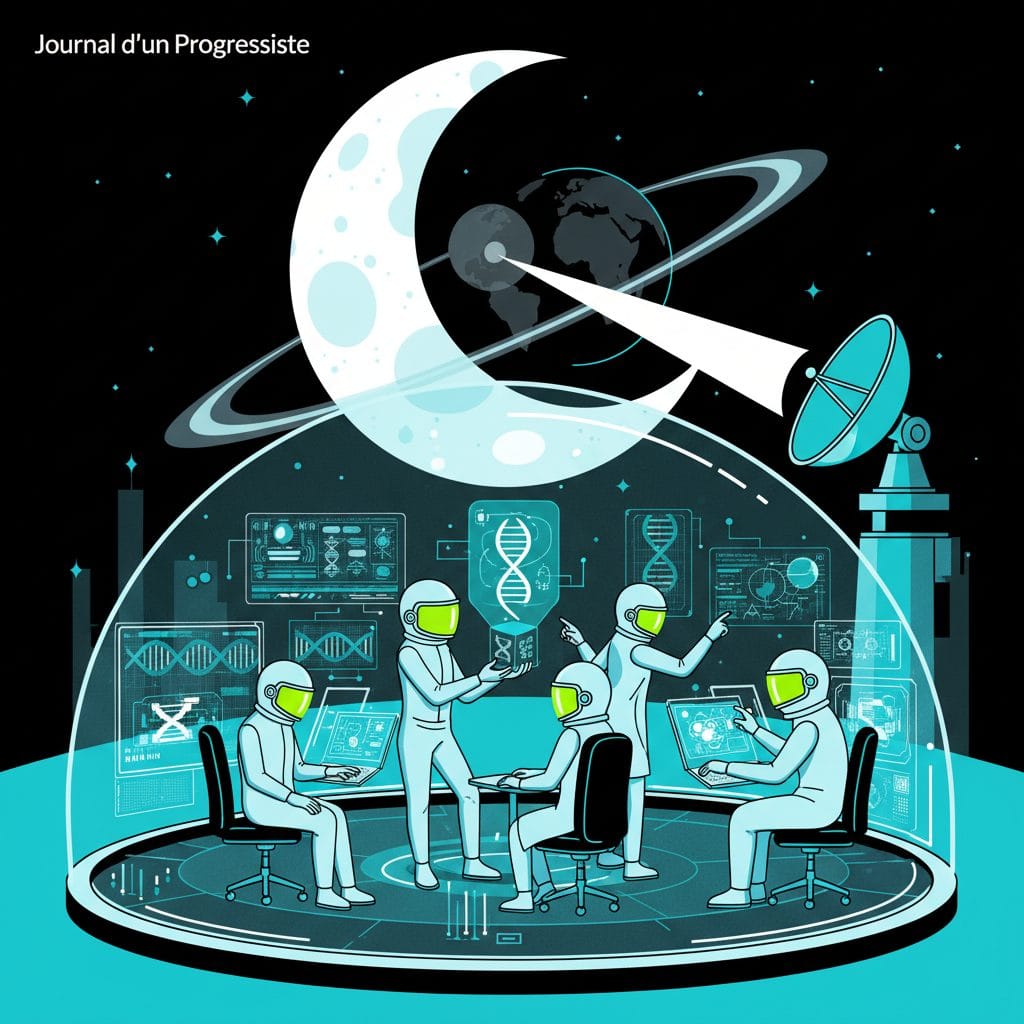
Synthetic DNA Makes Vernam Encryption Unbreakable
A Franco-Japanese team is testing for the first time under real conditions a cryptography method based on synthetic DNA during the French president's visit to Japan on April 1, 2026. This approach revolutionizes digital security by making it possible to generate and share random keys for encoding me

One Million American Apprentices to Reshape the Labor Economy by 2027
940,000 active apprentices in 2024, a target of over one million by 2027. The United States is orchestrating a structural shift toward apprenticeship to address the challenges of AI and reindustrialization. This pragmatic approach can reduce the skills-job mismatch but raises questions about equity