english
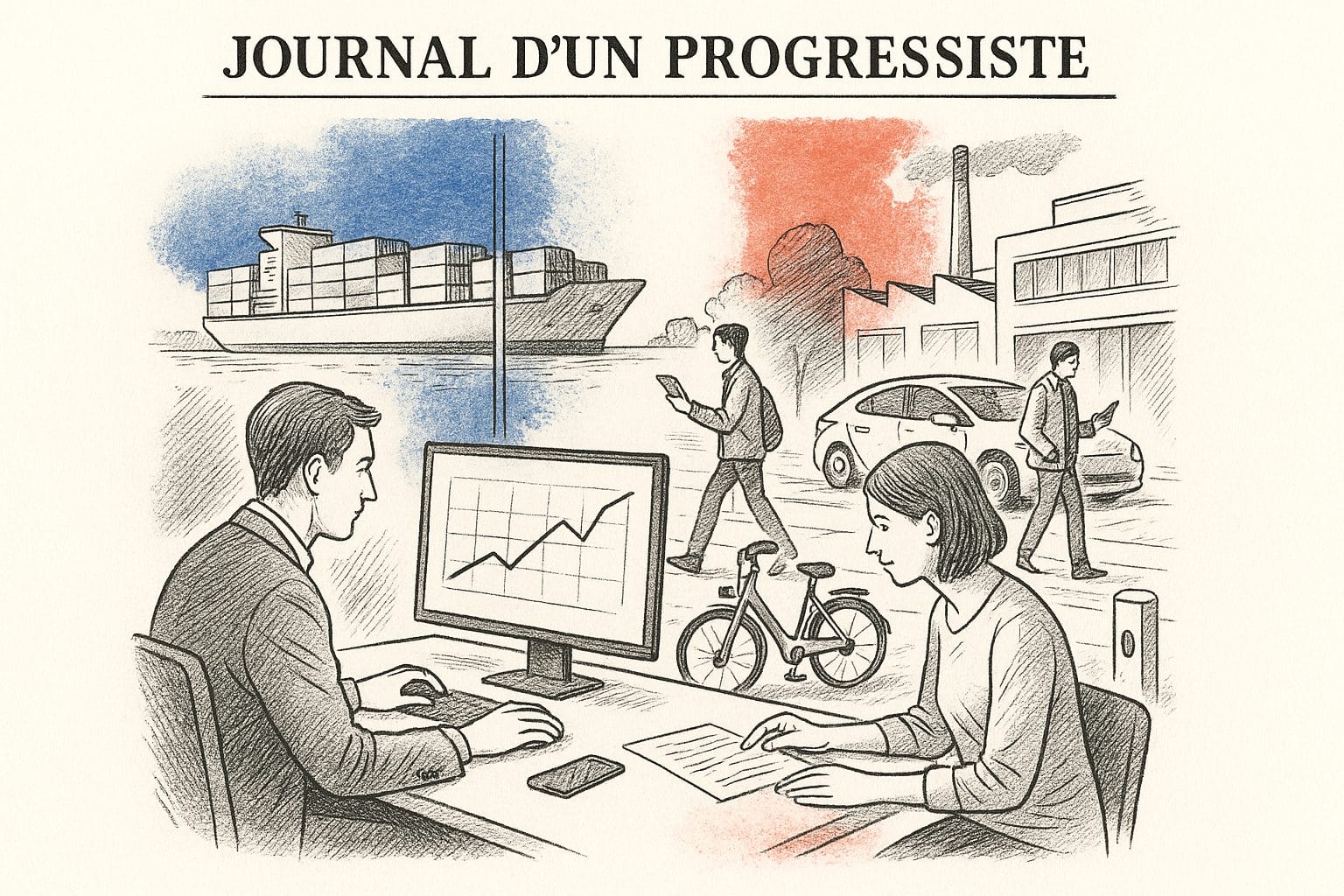
France Has Lost Half Its Share of World Exports
In twenty-five years, France has seen its share of global merchandise exports fall from 5% to 2.6% [3]. The trade balance has improved in recent years, but mainly because the country is importing less energy, not because its industry is exporting more. In 2025, industry represents less than 10% of G
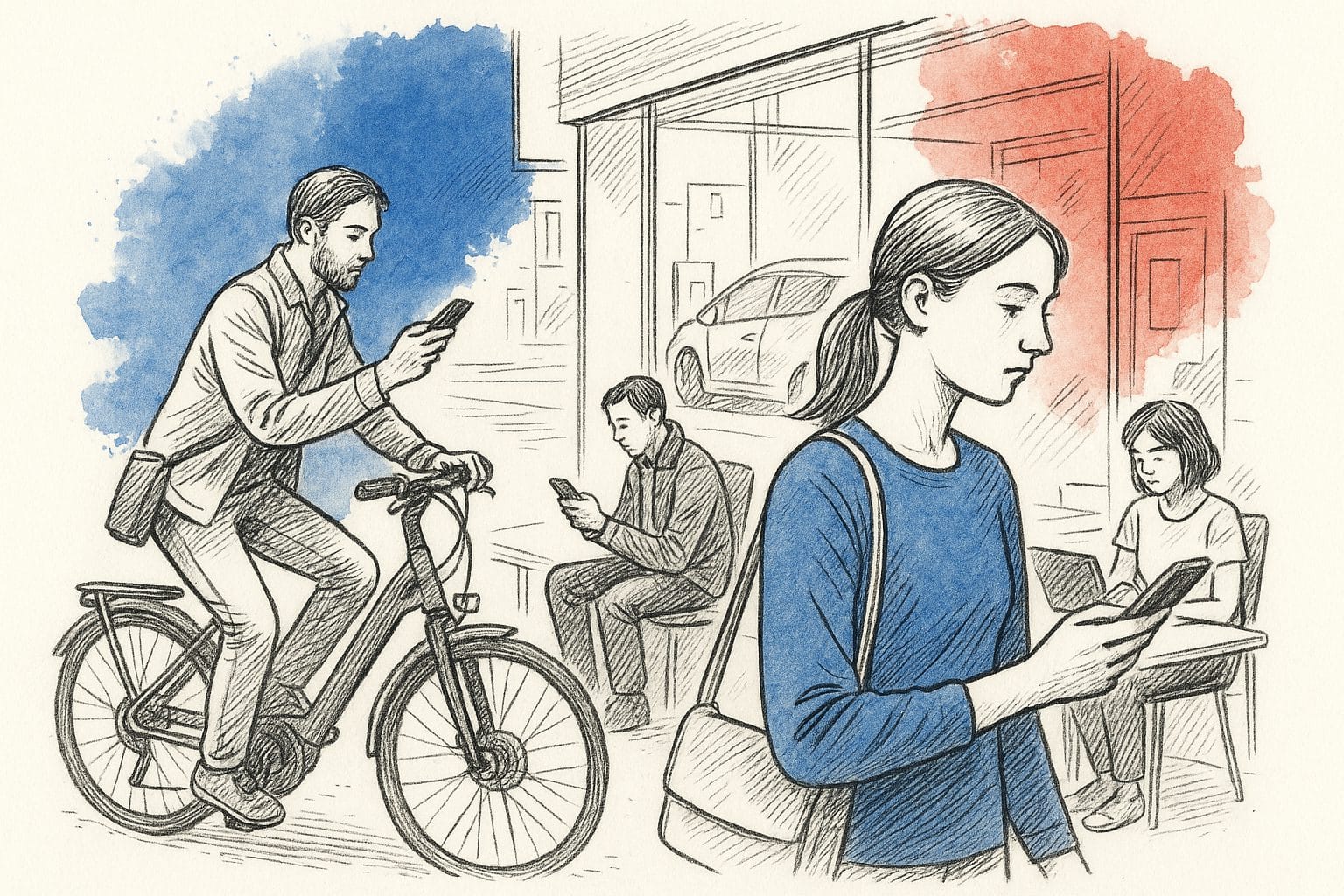
The value of our personal data flows to platforms: regulate it or accept its loss
In 2025, the French digital advertising market reached 12.4 billion euros [9]. A 11 % increase compared to 2024. This market has been growing for seven years at approximately 13 % per year. But growth is not evenly distributed. Google, Meta, Amazon, TikTok and four other global players capture 76 %
France Makes Decisions on Machines It Does Not Control
Three American companies today host more than 70% of the computing data of European businesses [5]. Several French ministries entrust their sensitive systems to actors subject to American law. AI is becoming the central infrastructure for all economic and public decision-making. The trade-off posed

Europe's Missing Infrastructure
The European Union has transport ambitions and construction site realities. Between the two, there are decades. The European Court of Auditors has just confirmed it once more: the five major transport infrastructure projects for which data are available have recorded on average four additional years

Public Universities: Inflation Erodes Budgets and Closes Laboratories
In Colombia, public universities have continued to operate, but budgetary pressures intensified between 2015 and 2025. This mechanism destroys without deciding: allocations increase on paper, follow the consumer price index, and generally fail to cover the actual increase in laboratory operating cos

Robotization Creates or Destroys Jobs Depending on the Pace of Economic Growth
Between 2018 and 2022, in five ASEAN countries, estimates attribute to robotization more creation of formal skilled jobs than displacement of formal low-skilled jobs, while results for developed economies varied by country and period, reflecting robotic deployments whose exposure, sectoral structure

Europe Takes Over From the US as Guarantor of the Liberal Order
The Trump administration has launched a review and suspension of portions of American foreign aid, marking a significant shift in the modalities of American engagement. This observation opens a strategic debate that Europe can no longer postpone. Ivan Krastev described Trump in 2025 as the engine of
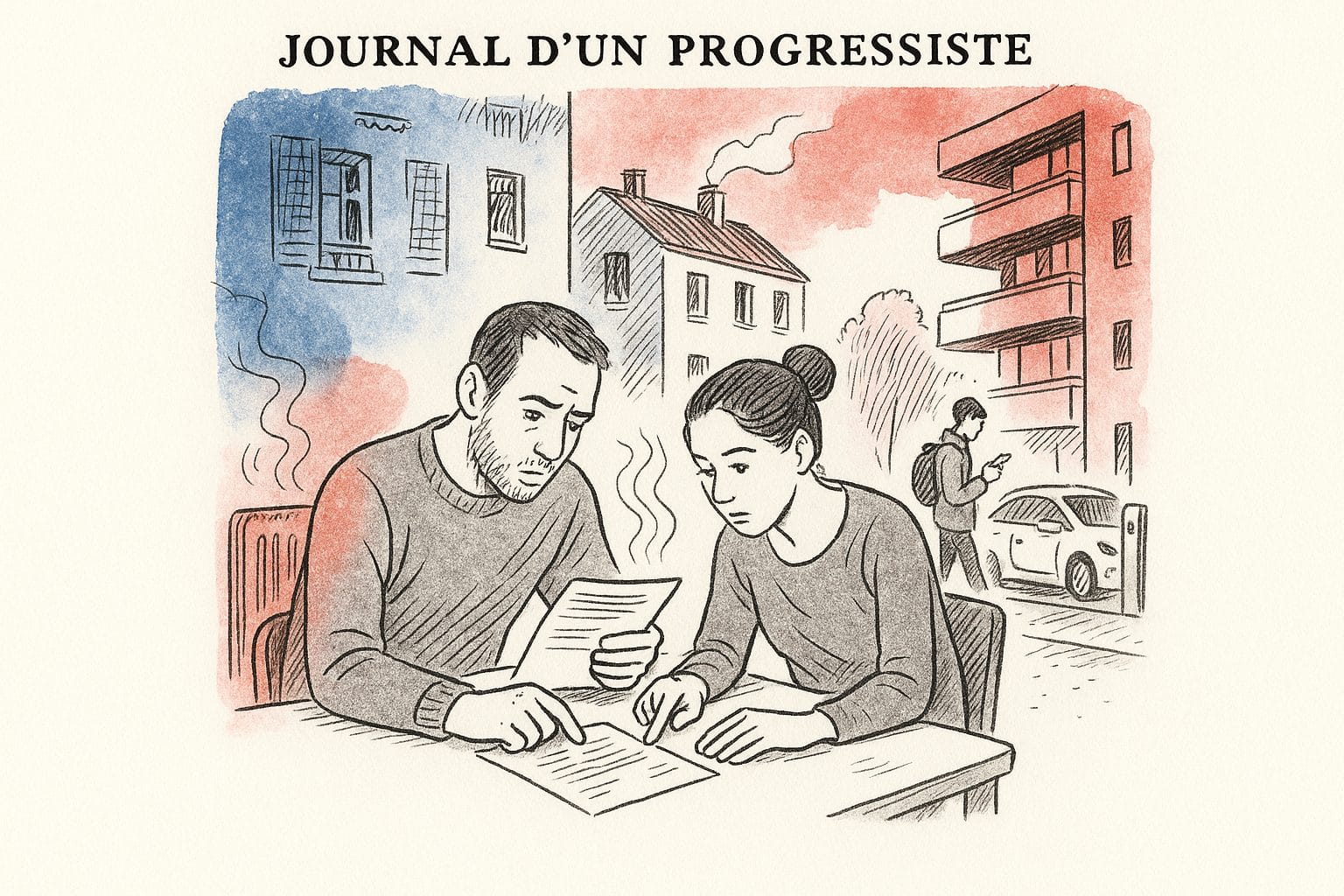
The State Pays Electricity Bills Without Solving Energy-Inefficient Housing
In France, 72 billion euros have been paid since 2021 to cushion energy bills [11], without touching the walls. MaPrimeRénov' helped 340,801 homes in 2024, but fewer than 13% underwent truly transformative renovation [17]. The choice for 2027 is clear: reserve renovation aid for global overhauls tar

Doctors in France: Eight Times More Specialists in Paris Than in Eure
France trains fewer medical graduates per capita than the European Union average. France seeks to steer physician placement through targeted incentives and commitments, without organizing a mandatory general distribution. Paris has 702 specialists per 100,000 inhabitants as of January 1, 2025, compa

Large Language Models and Representation Imbalances
The planet has approximately 7,000 living languages. The large language models that power today's voice assistants, translation tools, educational platforms, and search engines handle only a handful of them properly. This is not a technical accident. It is the result of a precise, documented mechani

Labor Force in Europe: Employment Policies Matter More Than Demographics
In Europe, the population aged 20 to 64 is projected to decline by 49 million by 2050 compared to 2015, according to demographic projections cross-referenced with Eurostat data and the European Commission's Joint Research Centre. The JRC estimates that convergence toward Swedish participation rates
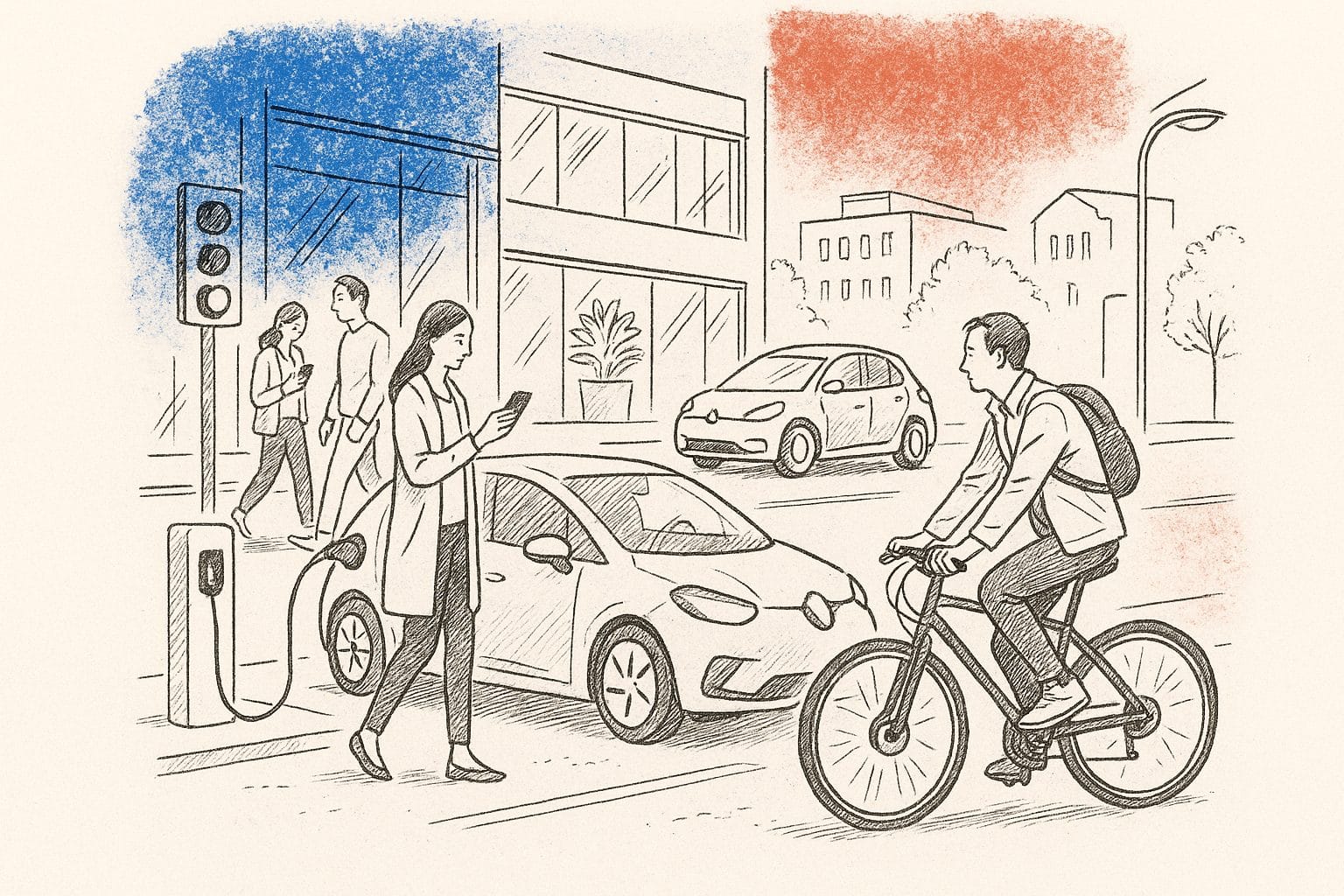
French electricity is decarbonized, but the economy is not electrified
Each kilowatt-hour produced in France emits 19.6 grams of CO2 equivalent [1]. In Europe, the average exceeds 178 grams [1]. Nine times less. Meanwhile, the share of electricity in final energy consumption stagnates, transport shows an electrification rate of 2 % [3], and 3.2 million households spend

The United States Is Deliberately Reducing Its Health Coverage
In 2026, ACA plan selections declined 5% compared to 2025. This period saw the expiration of subsidy enhancements introduced in 2021 and the removal of improper enrollments, accompanied by changes to state platforms. The Commonwealth Fund reports a CBO projection showing that the number of uninsured

Europe Falls Behind on Robots
In 2024, Asia absorbed 74% of new industrial robots installed worldwide. Europe, which accounted for 16% of installations in 2024, has seen its share decline, and the trend is not reversing. Europe's existing stock remains substantial, but new installation flows are concentrating increasingly in Asi

Erasmus+: Effective for Those Who Access It, Captured 60% by Affluent Families
Five years after graduation, the unemployment rate of participants with international experience is reported to be 23% lower than that of non-mobile students. The problem lies in this "those who": in several Southern European countries, notably Greece, Portugal, and Spain, participants more often de

Energy Transition Displaces Indigenous Peoples from Their Lands
Significant reserves of minerals without which no battery, no solar panel, no wind turbine can be made lie beneath lands inhabited for centuries by indigenous peoples. In many Latin American states that have ratified convention no. 169, standards require consultation with indigenous peoples for meas

Adopting AI Without Training Local Workers Means Outsourcing Growth
In 2025, 3.2% of job postings in the UAE required AI-related skills according to PwC, while some of the positions created were filled by expatriates. The United Arab Emirates is deploying AI at a pace few countries match, but some of the beneficiaries come from abroad. Singapore conducted its educat
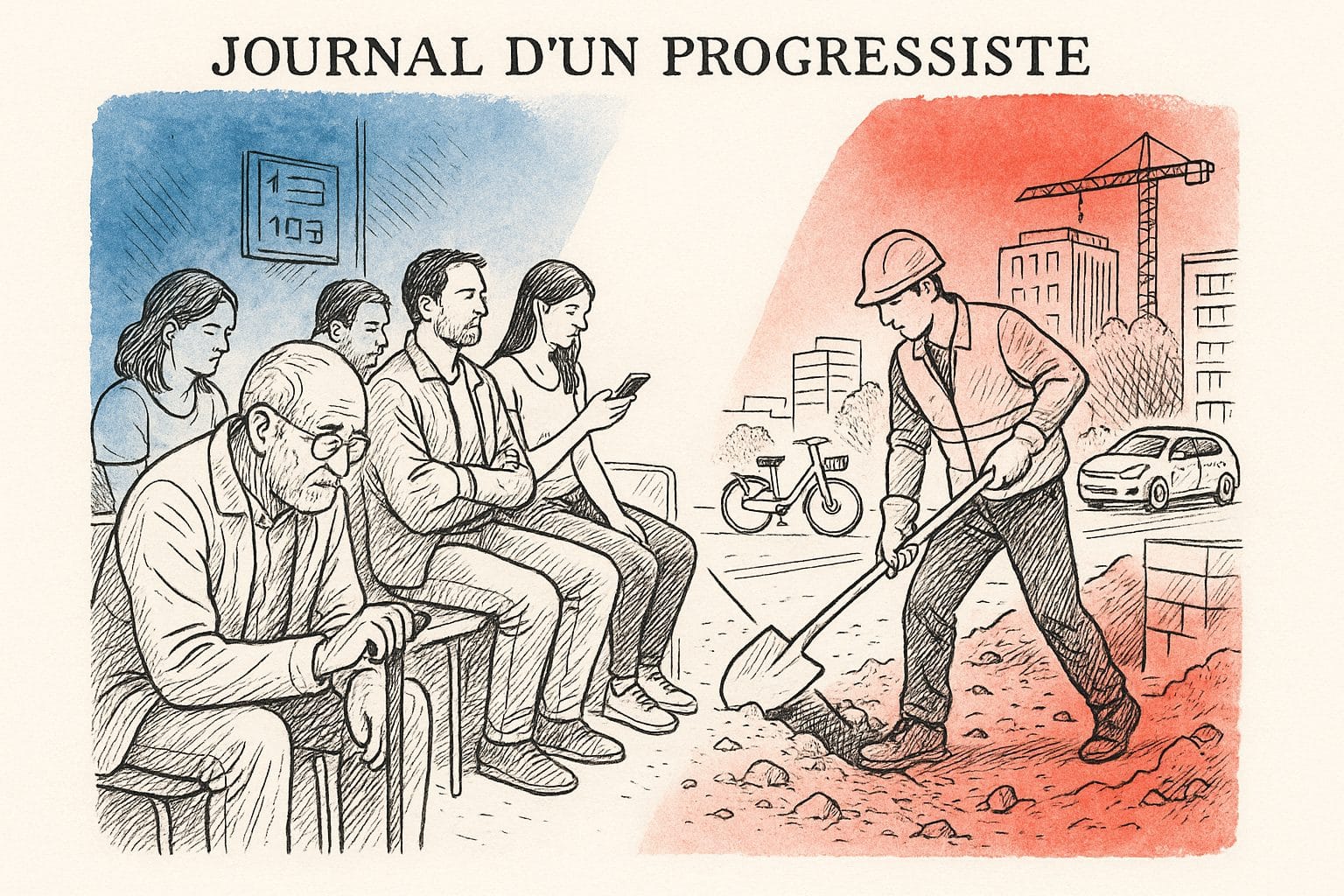
Workers reach retirement at the threshold of their good health
Thirteen years separate the life expectancy of the poorest men from that of the wealthiest [1]. This gap has widened over the past decade. Life expectancy without disability peaked at 63.7 years for men in 2024 [3]—precisely the legal retirement age since the 2023 reform. For a worker exposed for de

Nature in Europe: Regulatory Ambition Exceeds Available Budget by €37 Billion
Europe has given itself a nature restoration law, but not the budget to go with it. Every year, Europe invests approximately €27.5 billion in biodiversity, against an estimated need of €65 billion per year according to the European Commission. The gap of €37.4 billion cannot be closed by the good in

Agriculture: China Reduces Chemical Fertilizers Without Losing Yields
In 2015, China consumed more chemical fertilizers than the United States and Europe combined. Between 2007 and 2017, the Nature Food study documents a 10% increase in yields associated with an 8% reduction in nitrogen pollution. This result is the product of a state program piloted province by pro
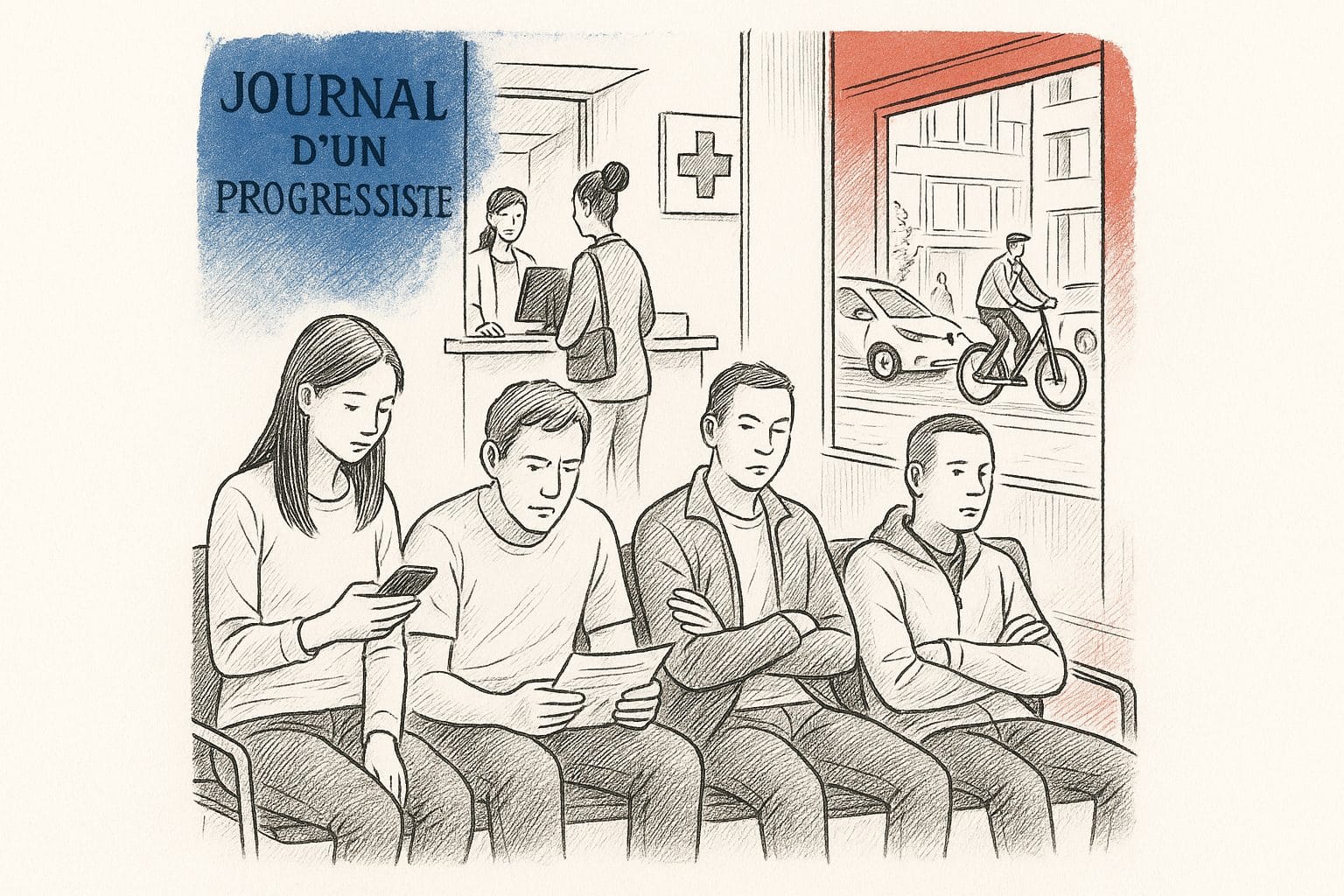
Complementary Health Insurance Has Become a Tax on Illness
Forty-six point five billion euros in mutual insurance contributions in 2024, up more than 8% in a year [6]. A modest retiree devotes nearly 10% of their income to health. A wealthy retiree, 3.9% [1]. The 2027 arbitration is there: maintain this two-tier system of financing, private and regressive,

The "Affordable Rental" Scheme Secures 9,000 Homes Per Year But Falls Short of Demand
In France, housing a modest-income household without building a new apartment building or unlocking a direct subsidy: this is the wager the "Affordable Rental" scheme has been attempting since its creation in 2016. This mechanism mobilizes the existing private stock in exchange for a tax benefit for

AI Triples Cultural Production and Halves Its Diversity
Doshi and Hauser, in a study published in 2024 in Science Advances, showed that AI assistance in creative tasks tended to homogenize productions: stories created with AI assistance proved more similar to each other than those produced without it. Technical progress increased individual productivit
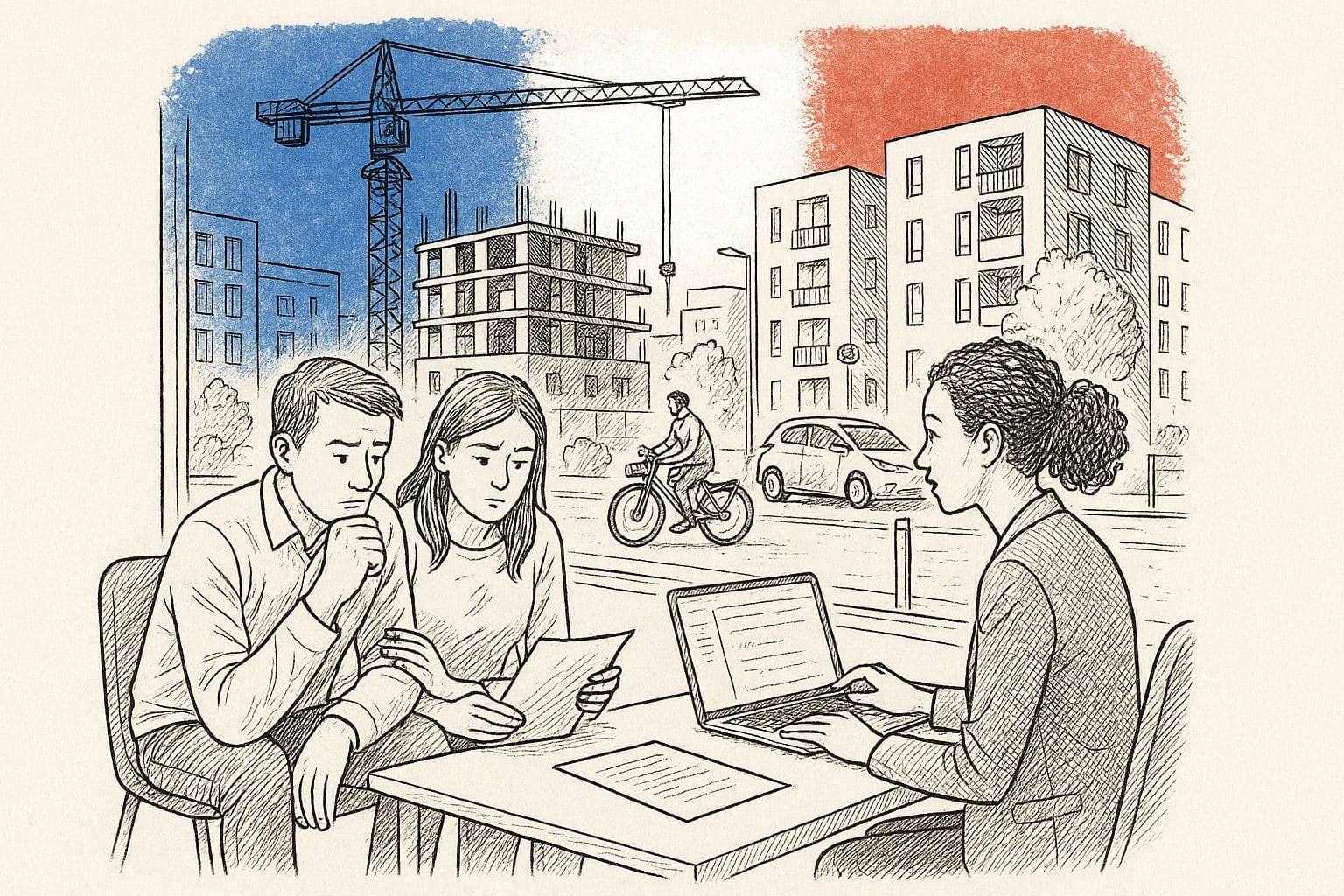
First-time buyers now borrow for twenty-four years instead of fifteen: French construction must break free from its rules
Housing now costs twenty-four years of borrowing where fifteen were needed before In 2025, a first-time home buyer takes out a mortgage over twenty-four years to purchase a new dwelling [1]. In 2000, they borrowed over fifteen years. Nine additional years of life committed to a loan for the same pro